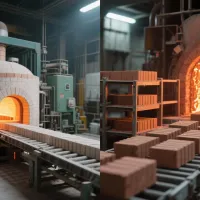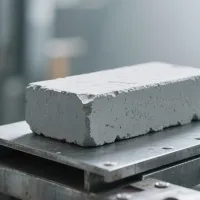
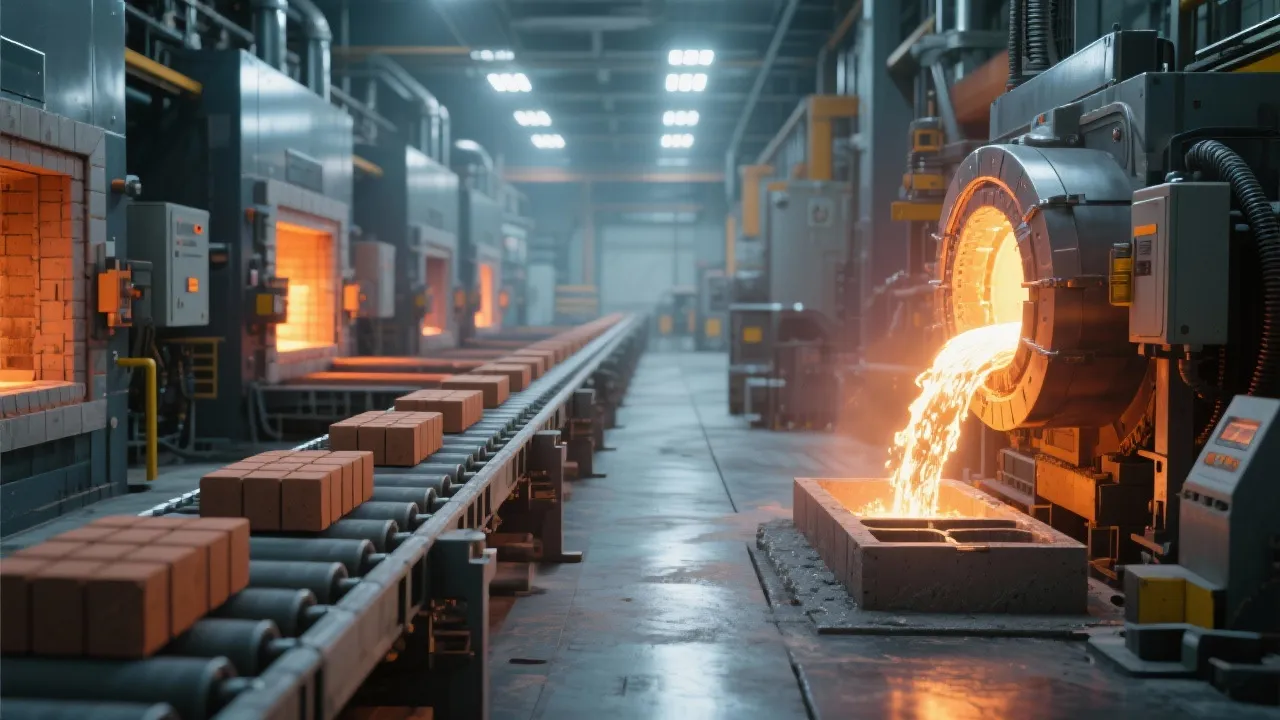
Magnesia-carbon (mag-carbon) bricks play a pivotal role in high-temperature industrial applications such as steelmaking furnaces, where extreme thermal cycles demand materials with outstanding thermal shock resistance. This article by Huanai High Temperature meticulously explores the key technologies underpinning thermal shock stability and the optimization of magnesia-carbon brick compositions to elevate performance and longevity.
The thermal conductivity and stress release mechanisms in magnesia-carbon bricks are profoundly affected by the type of resin binder, graphite content, and particle size distribution (PSD). Different resin binders, such as phenolic and furfuryl types, demonstrate variable char yields and bonding strengths, directly impacting crack propagation speed during thermal cycling. For example, phenolic resin provides a higher carbon residue (~15-20%) thereby enhancing thermal shock tolerance.
Graphite content, typically ranging from 10% to 35% by weight, improves thermal conductivity but also introduces anisotropy in thermal expansion, which must be carefully balanced. Optimized PSD with a bimodal or multimodal distribution allows better packing density and reduced porosity, leading to increased mechanical integrity and more efficient thermal stress dissipation under rapid cooling.
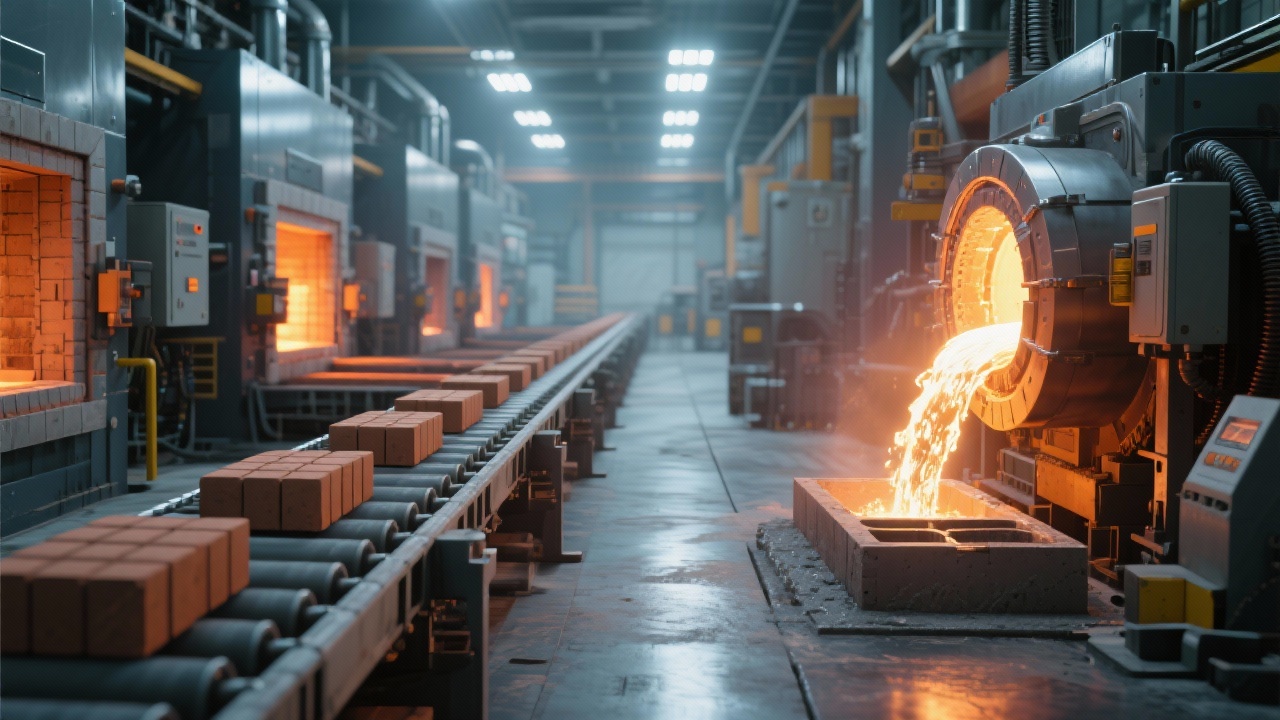
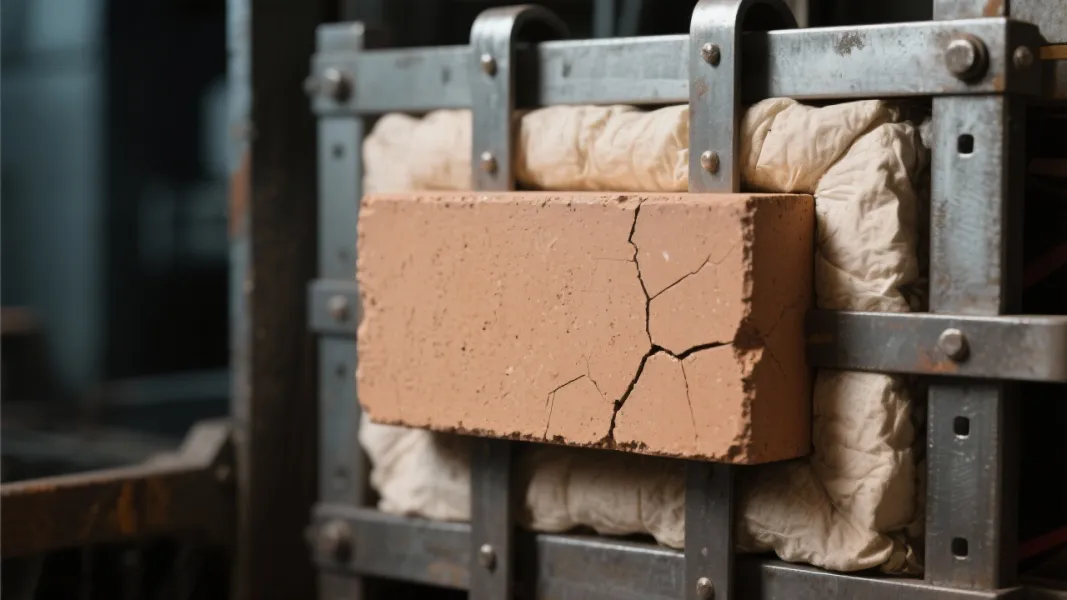
The industry-standard method for evaluating thermal shock resistance is the 1100℃ water quenching cycle test. This procedure simulates harsh operational conditions by subjecting magnesia-carbon bricks to rapid heating followed by immediate cooling in water, replicating stress patterns experienced in real furnaces. Crack initiation and propagation are monitored to classify the thermal shock resistance grade according to widely accepted criteria such as ASTM C1109.
Results from recent studies show that bricks incorporating nano-carbon fiber additives demonstrate up to a 25% increase in thermal shock cycles withstand compared to conventional formulations. Additionally, integrating metal-based antioxidants like magnesium or aluminum silicates assists in preserving graphite from oxidation at temperatures above 1300℃, thus maintaining structural stability in long-term use.
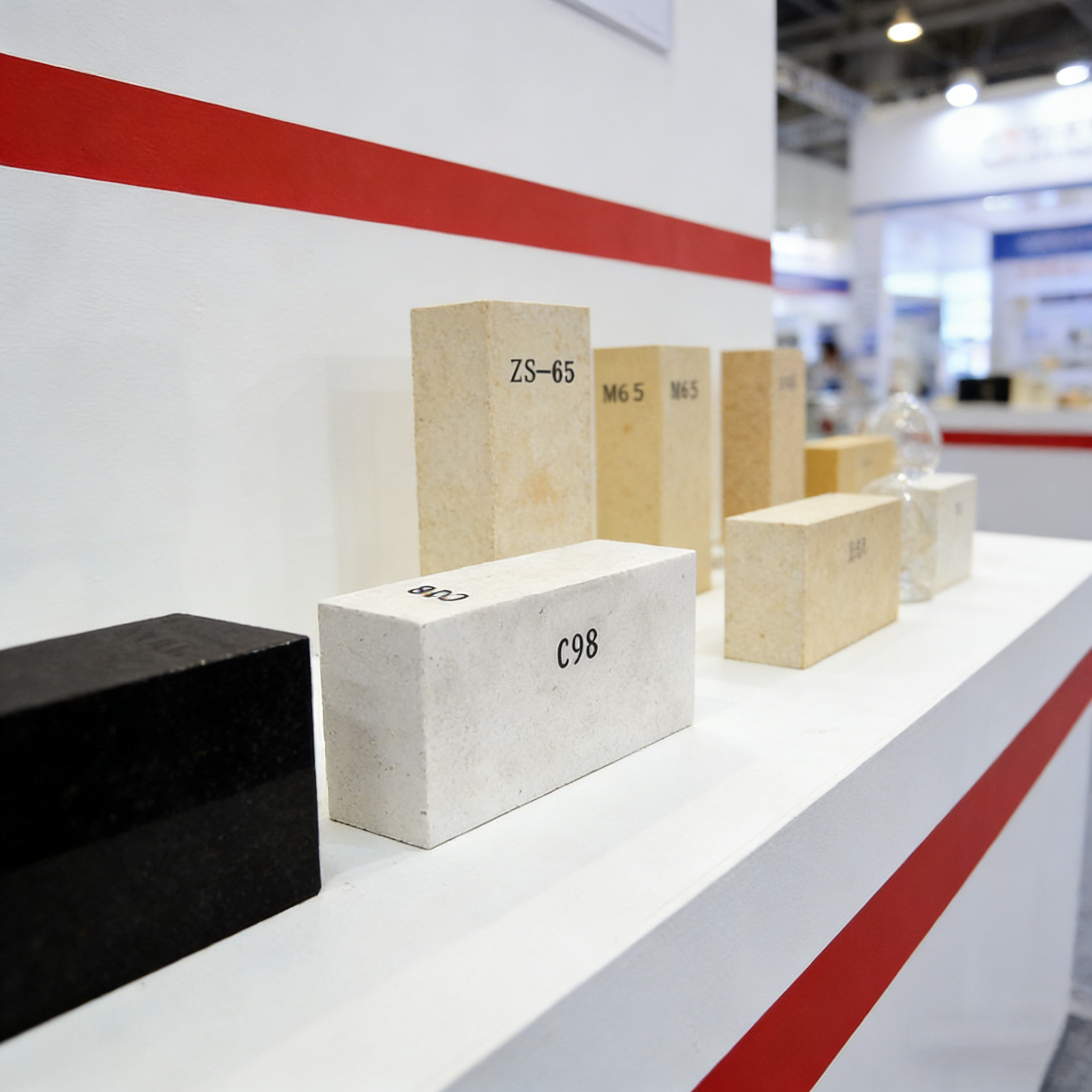
Practical application zones such as converter tapholes and electric furnace bottoms impose distinct thermal and mechanical stress profiles on magnesia-carbon bricks. Huanai High Temperature recommends differentiated product formulations tailored to these specific working conditions.
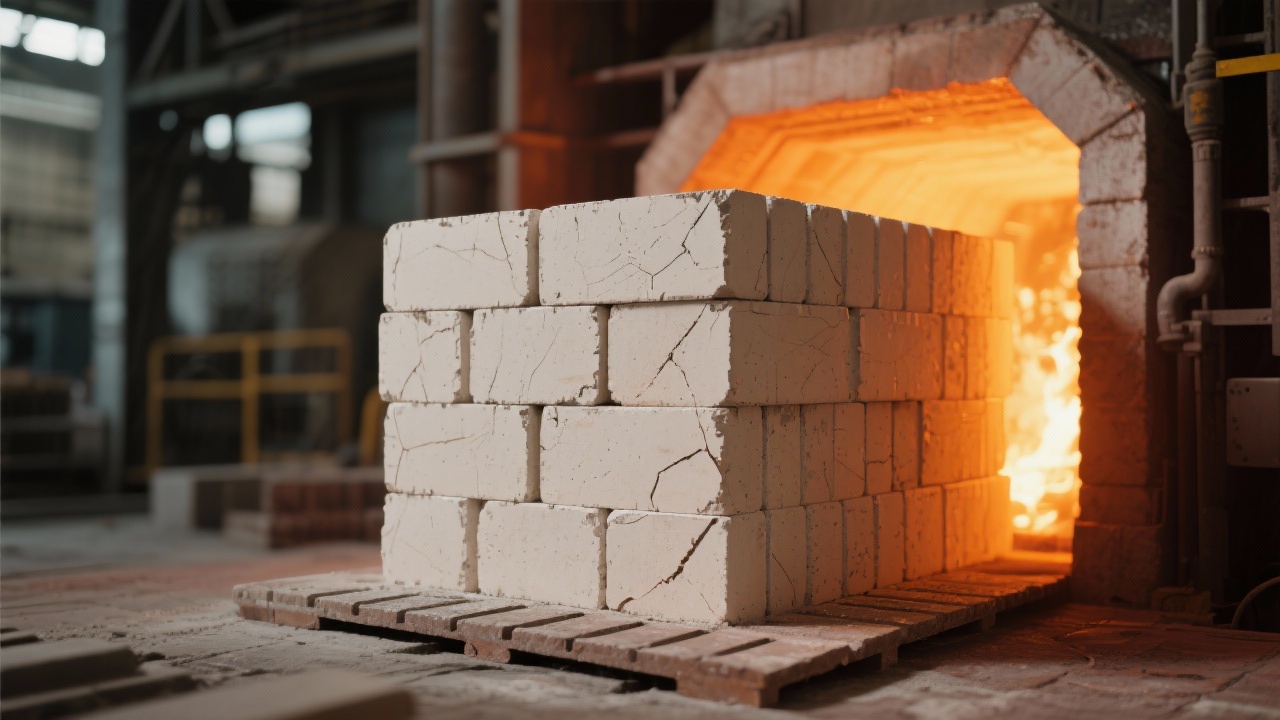
Comprehensive data from recent laboratory and field tests reinforce the effectiveness of material composition adjustments. Incorporating nano-carbon fibers has proven to extend brick service life by 15-30%, while optimized resin selection reduces crack spread rates by approximately 20%. Graphite content tailored to 20-25% offers an optimal balance for heat conduction and mechanical resilience.
Such refinements ultimately lead to decreased downtime and lower maintenance costs, directly contributing to enhanced production efficiency for end-users.

 381
|
381
|
 Copper smelting furnace life extension
Chrome corundum brick corrosion resistance
High-temperature refractory stability
Furnace maintenance technology
Metallurgical refractory solutions
Copper smelting furnace life extension
Chrome corundum brick corrosion resistance
High-temperature refractory stability
Furnace maintenance technology
Metallurgical refractory solutions
 192
|
high-alumina refractory bricks
industrial furnace lining solutions
refractory material selection guide
spherical pore structure refractory bricks
thermal shock resistant refractory materials
192
|
high-alumina refractory bricks
industrial furnace lining solutions
refractory material selection guide
spherical pore structure refractory bricks
thermal shock resistant refractory materials
 461
|
high alumina refractory brick
low thermal conductivity refractory
corrosion resistant firebrick
industrial furnace lining
hot blast stove refractory
461
|
high alumina refractory brick
low thermal conductivity refractory
corrosion resistant firebrick
industrial furnace lining
hot blast stove refractory
 354
|
chromia corundum refractory bricks
copper smelting refractory materials
refractory brick performance
thermal shock resistant bricks
refractory failure analysis
354
|
chromia corundum refractory bricks
copper smelting refractory materials
refractory brick performance
thermal shock resistant bricks
refractory failure analysis
 43
|
High-alumina refractory clay bricks
Glass furnace refractory materials
High-temperature furnace lining technology
Refractory brick installation process
Refractory material application guide
43
|
High-alumina refractory clay bricks
Glass furnace refractory materials
High-temperature furnace lining technology
Refractory brick installation process
Refractory material application guide