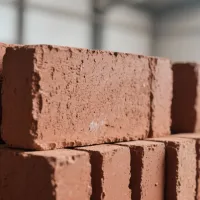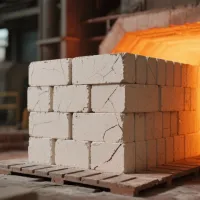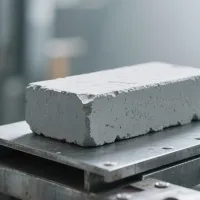
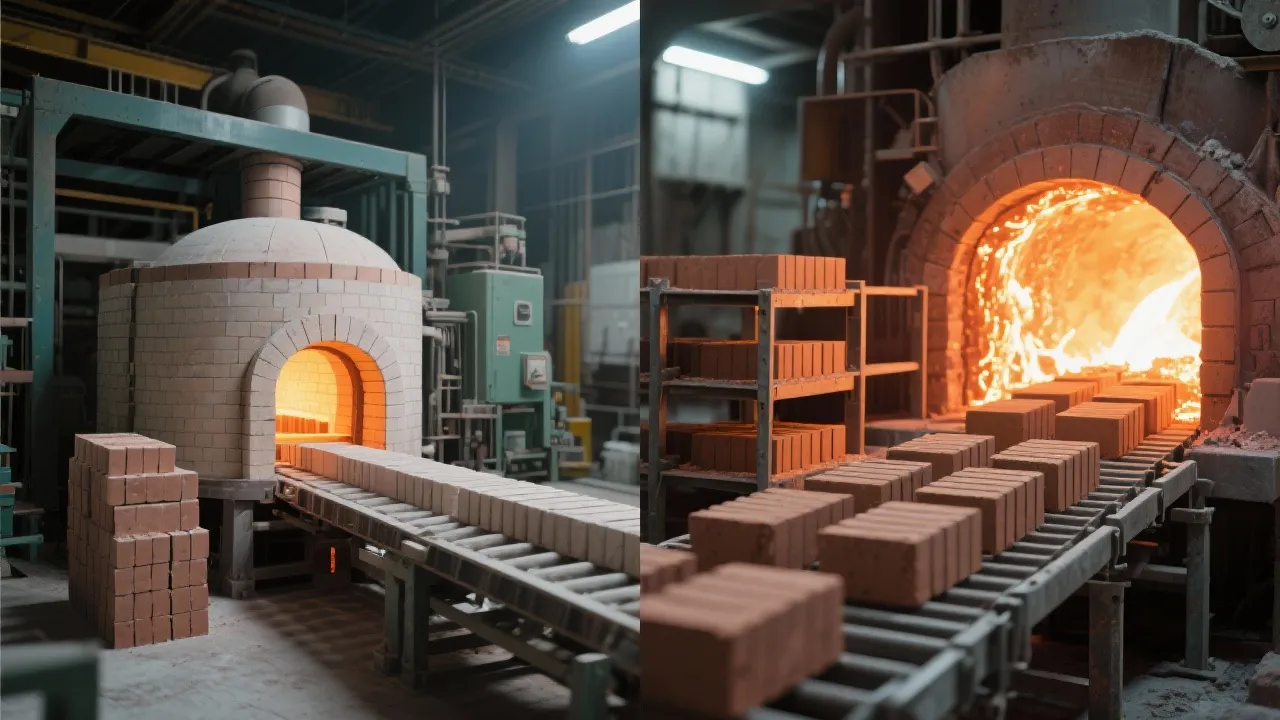
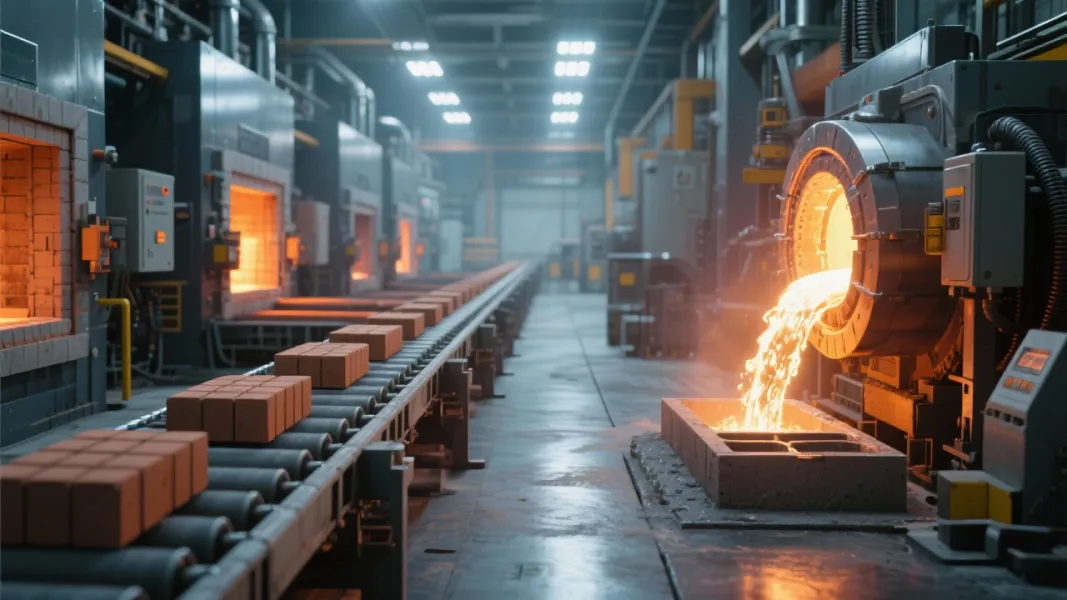
In modern high-temperature industries, the demand for refractory materials capable of withstanding severe thermal shock conditions has never been higher. Magnesia-chrome refractory bricks stand out due to their exceptional ability to maintain structural integrity even under rapid temperature fluctuations exceeding 1550°C. This article explores the scientific principles underlying their thermal shock resistance, focusing on the critical role of optimized magnesia-chrome ratios and the innovative use of silicate binders. By unveiling the microstructural mechanisms such as grain boundary distribution, thermal expansion coefficient matching, and microcrack self-healing, it provides a comprehensive guide for technical experts aiming to enhance operational efficiency and safety in high-temperature environments.
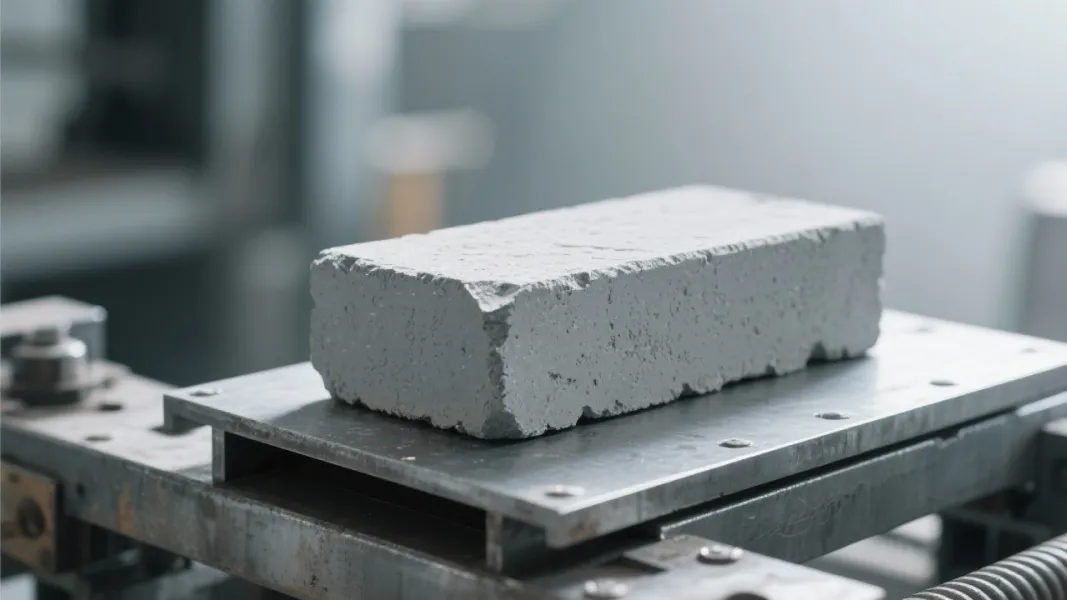
The magnesia-chrome ratio in refractory bricks critically determines the balance between mechanical strength and thermal expansion compatibility. An optimal proportion typically ranges between 85–92% magnesia (MgO) and 8–15% chrome oxide (Cr₂O₃), which ensures a fine microstructure fostering both toughness and chemical stability. The inclusion of silicate binders, especially alkaline silicates, significantly improves the brick's toughness by forming a resilient bonding phase between grains, reducing brittleness caused by thermal cycling stresses.
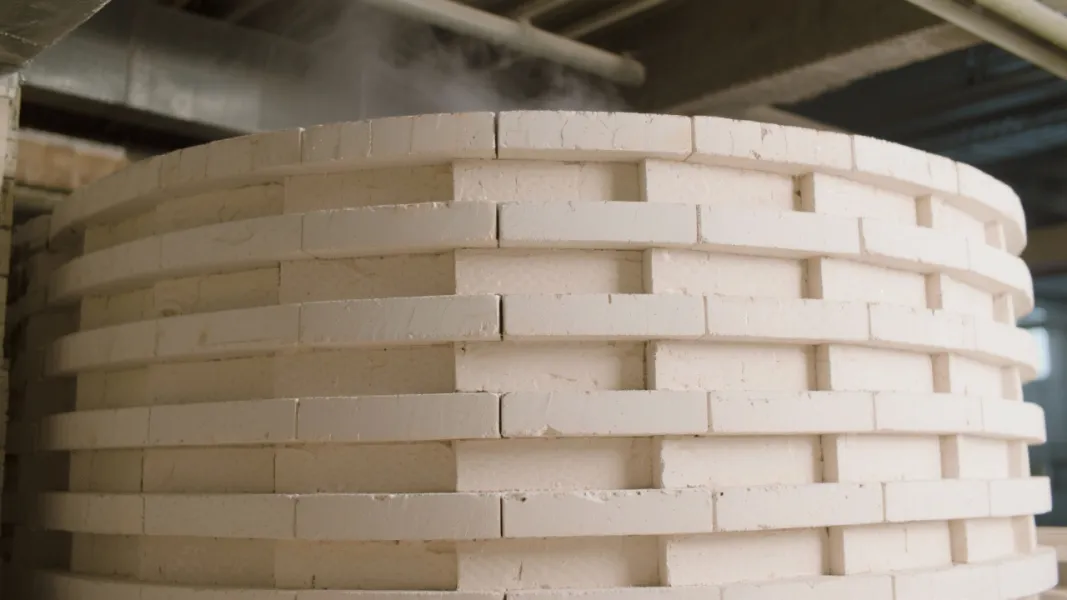
A critical factor in thermal shock resistance is the distribution and nature of grain boundaries. Finer crystallite distributions create numerous grain boundaries that impede crack propagation during rapid cooling or heating. Furthermore, matched thermal expansion coefficients between constituent minerals reduce internal stresses generated by temperature gradients. Specifically, magnesia (12.5 × 10⁻⁶ /K) and chrome spinel (10.8 × 10⁻⁶ /K) have closely aligned coefficients, mitigating microfracture initiation.
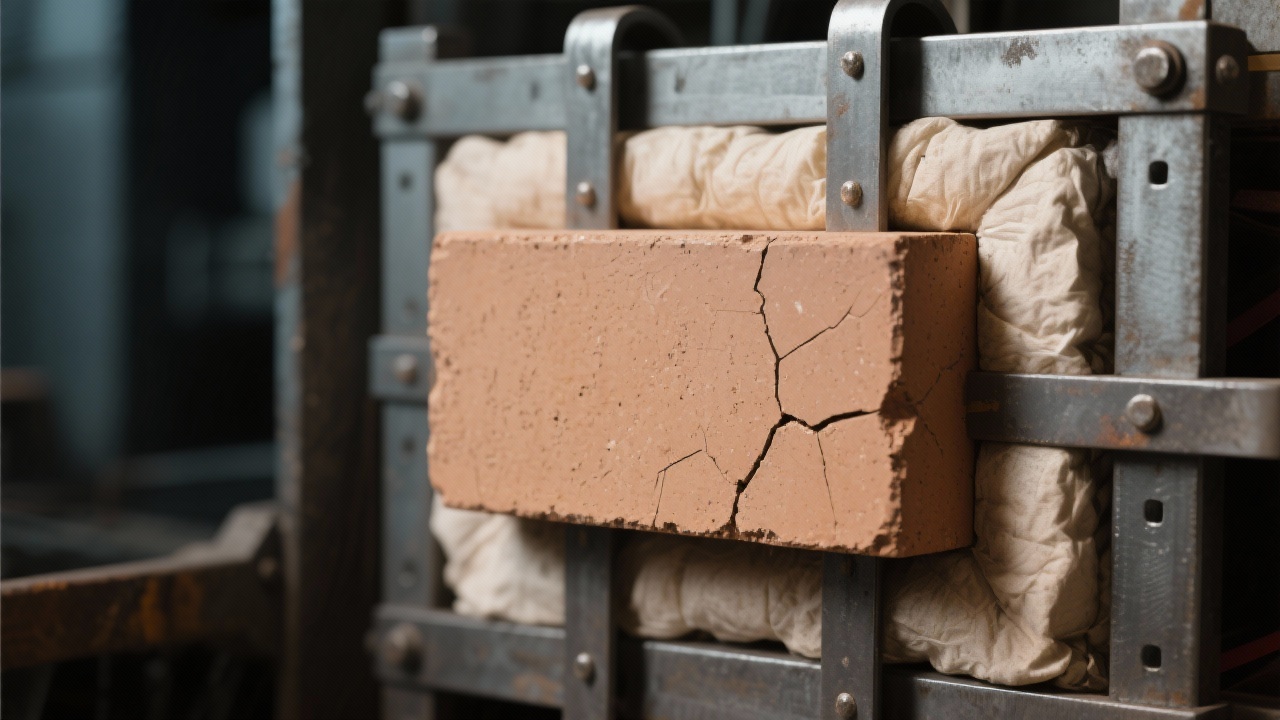
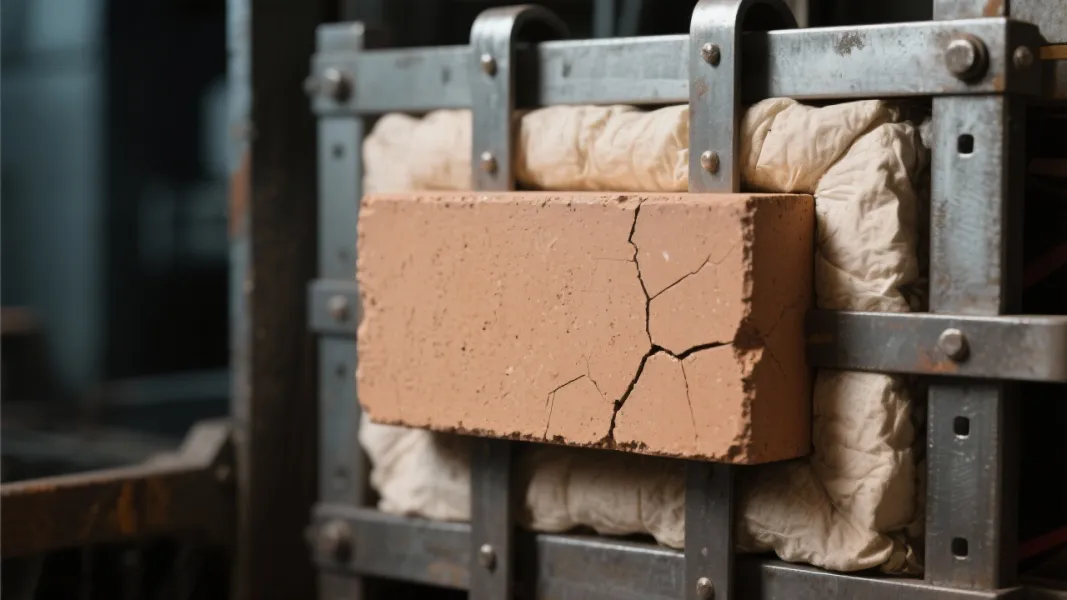
Another remarkable feature is the microcrack self-healing effect, where minute fissures formed during thermal shocks fill with spinel or silicate phases, restoring the brick’s mechanical integrity. This phenomenon can improve life expectancy in cyclic thermal conditions by up to 30%, translating directly into reduced maintenance downtime and material costs.
Reliable testing is indispensable for verifying the thermal shock resistance of magnesia-chrome bricks. Two widely accepted methods are:
Data from these tests, such as retained cold modulus of rupture (CMOR) above 60% post 10 cycles, serve as critical benchmarks for production quality control.
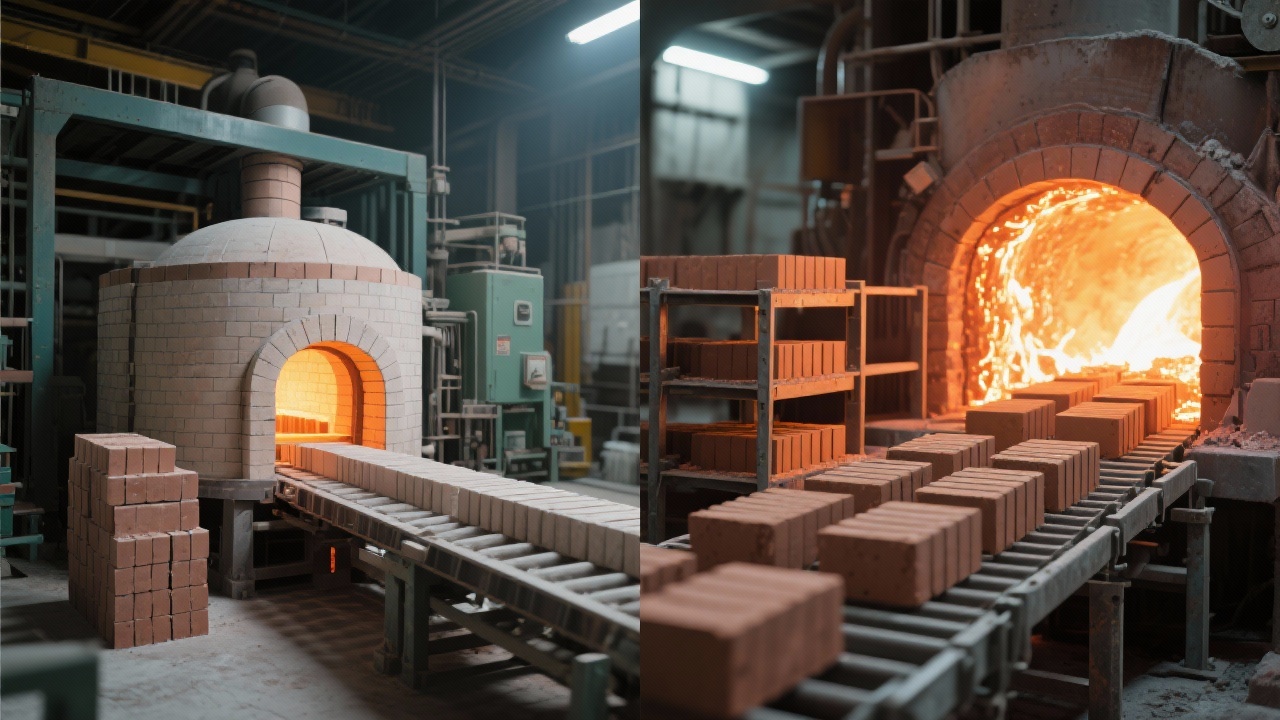
Thermal shock resistance needs to be tailored not only to temperature but also to thermal cycling frequency. Industries with low-frequency cycles benefit from standard magnesia-chrome bricks with well-balanced composition. However, high-frequency cycles—common in steelmaking ladles or glass melting furnaces—require bricks with enhanced toughness and microcrack healing capacity.
Empirical studies show that bricks formulated with 2–3% additional silicate binders and finer grain distribution outperform conventional bricks by handling more than 100 thermal cycles without structural compromise. This knowledge enables industrial operations to optimize energy consumption while maintaining rigorous safety standards.
The combination of chemical corrosion resistance, wear durability, and enhanced thermal shock tolerance positions magnesia-chrome refractory bricks as indispensable materials in multiple sectors including steel, cement, glass, and petrochemical industries. Their ability to maintain integrity at temperatures exceeding 1550°C ensures less frequent replacements, mitigating operational interruptions.
To maximize benefits, it’s critical to align brick selection with specific operational parameters—such as peak temperature, quenching media, and thermal cycle duration. Complementary engineering measures like optimized lining thickness and cooling system design further enhance performance.

Ready to boost your operation’s thermal efficiency and reliability? Discover how Huana High-Temperature magnesia-chrome refractory bricks can transform your industrial processes. Explore Product Details & Consultation
 224
|
224
|
 chrome corundum refractory bricks
copper smelting refractories
flash smelting refractory selection
converter furnace refractory materials
refractory failure analysis
chrome corundum refractory bricks
copper smelting refractories
flash smelting refractory selection
converter furnace refractory materials
refractory failure analysis
 115
|
corundum refractory bricks
sintered vs fused process
refractory materials performance comparison
high-temperature corrosion resistance
refractory brick selection guide
115
|
corundum refractory bricks
sintered vs fused process
refractory materials performance comparison
high-temperature corrosion resistance
refractory brick selection guide
 461
|
high alumina refractory brick
low thermal conductivity refractory
corrosion resistant firebrick
industrial furnace lining
hot blast stove refractory
461
|
high alumina refractory brick
low thermal conductivity refractory
corrosion resistant firebrick
industrial furnace lining
hot blast stove refractory
 411
|
High - alumina refractory clay bricks
Low thermal conductivity
Thermal shock resistance
Glass furnace lining
Wear - and corrosion - resistant refractory bricks
411
|
High - alumina refractory clay bricks
Low thermal conductivity
Thermal shock resistance
Glass furnace lining
Wear - and corrosion - resistant refractory bricks
 332
|
alumina refractory brick
high alumina refractory
refractory brick wear resistance
high temperature refractory
fused versus sintered refractory
332
|
alumina refractory brick
high alumina refractory
refractory brick wear resistance
high temperature refractory
fused versus sintered refractory