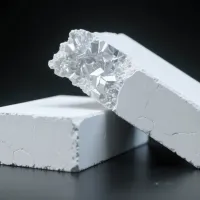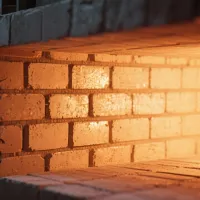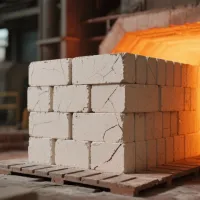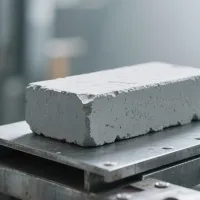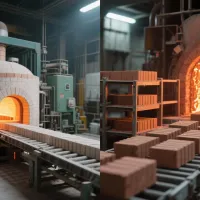
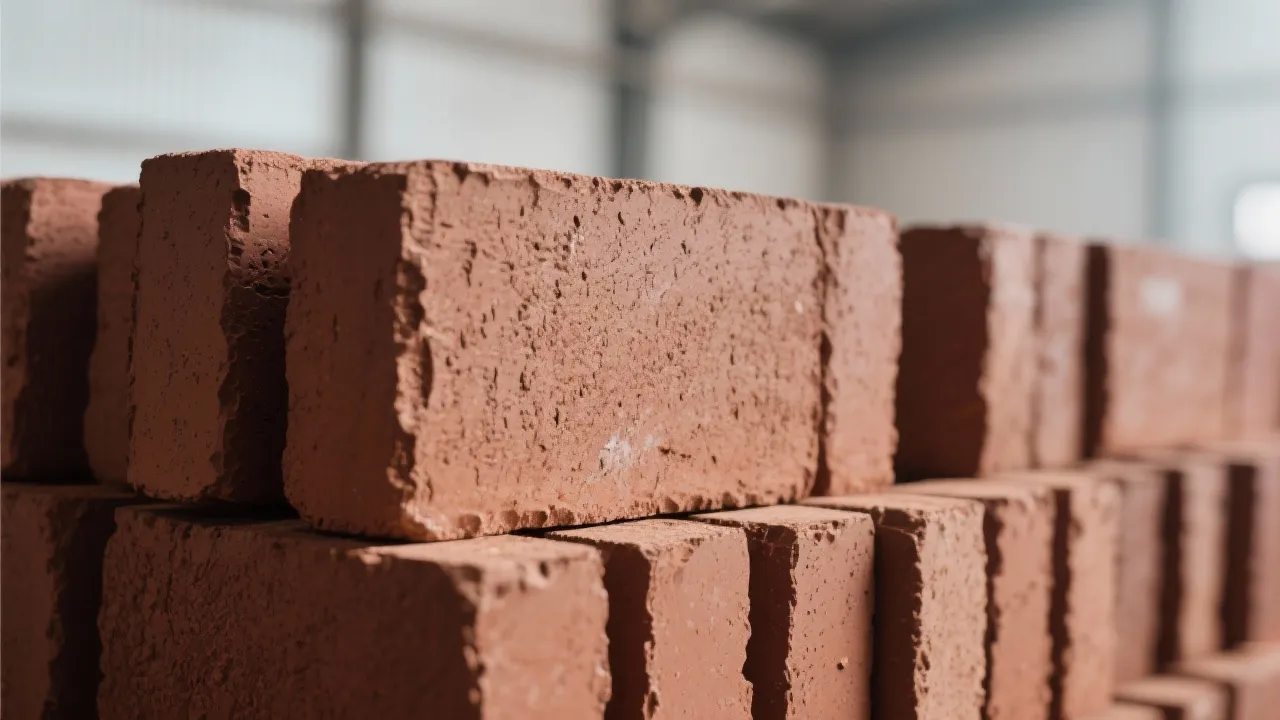
In the demanding realm of high-temperature industrial processes, the stability and longevity of refractory materials are critical. Mag-chrome refractory bricks stand out for their exceptional resistance to thermal shock, a feature that ensures safe operation and cost-effective maintenance. This article, brought to you by Huanai High Temperature, delves into the microstructural factors and compositional optimizations that empower these bricks to withstand cycling temperatures above 1550℃.
Mag-chrome refractory bricks owe their superior performance largely to the meticulously balanced ratio of magnesium oxide (MgO) and chromium oxide (Cr2O3), complemented by a silicon-based binder. The optimized magnesium-chrome ratio enhances fracture toughness by promoting a network of robust grain boundaries, which imparts elasticity and absorbs thermal stresses effectively.
The silicon-based binding phase plays a synergistic role by maintaining cohesion among crystals and counteracting microcrack propagation. Together, these constituents facilitate a resilient microstructure that accommodates thermal expansion mismatch and mitigates stress concentration during rapid temperature fluctuations.
At the microscopic level, the distribution and morphology of crystal grains critically affect thermal shock resistance. An even, interlocked crystalline matrix minimizes weak points where fractures could initiate. The heat expansion coefficients of MgO and Cr2O3 are carefully matched to reduce internal stresses — typically maintained within ±0.5 × 10⁻⁶/K difference to avoid cracking.
Notably, mag-chrome bricks exhibit controlled microcrack self-healing capabilities. Minor cracks formed during thermal cycling can be partially bridged or sealed by viscous flow within the binder phase or recrystallization, effectively extending the service life. This dynamic microcrack "repair" mechanism is pivotal in sustaining brick integrity under repeated thermal shocks.
Reliable assessment of thermal shock resistance demands standardized testing protocols. Two primary methods dominate in industrial settings:
Adopting these testing regimes allows users to validate product consistency and predict lifespan under diverse heat cycling scenarios.
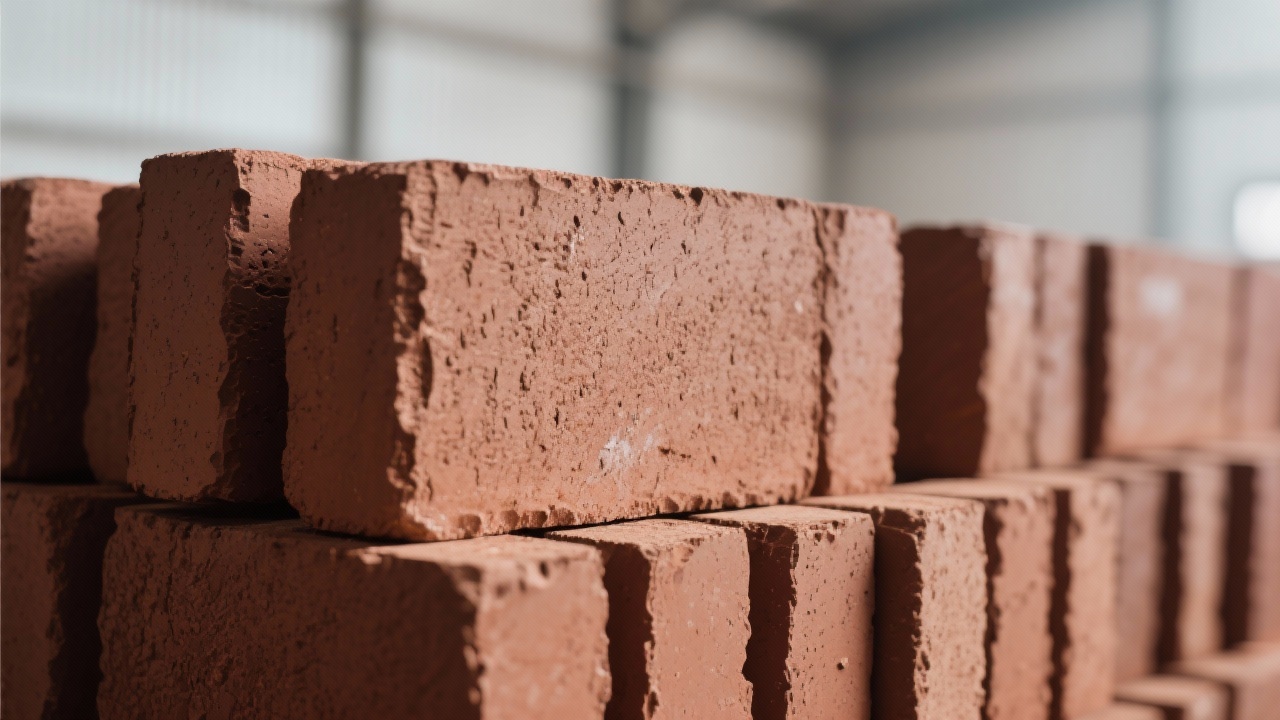
Different industrial processes expose refractory bricks to various heat cycling frequencies, typically ranging from hourly to daily cycles:
Implementing these tailored specifications translates into reduced downtime, lower energy consumption due to enhanced insulation, and fewer maintenance interventions — a direct boost to operational efficiency.
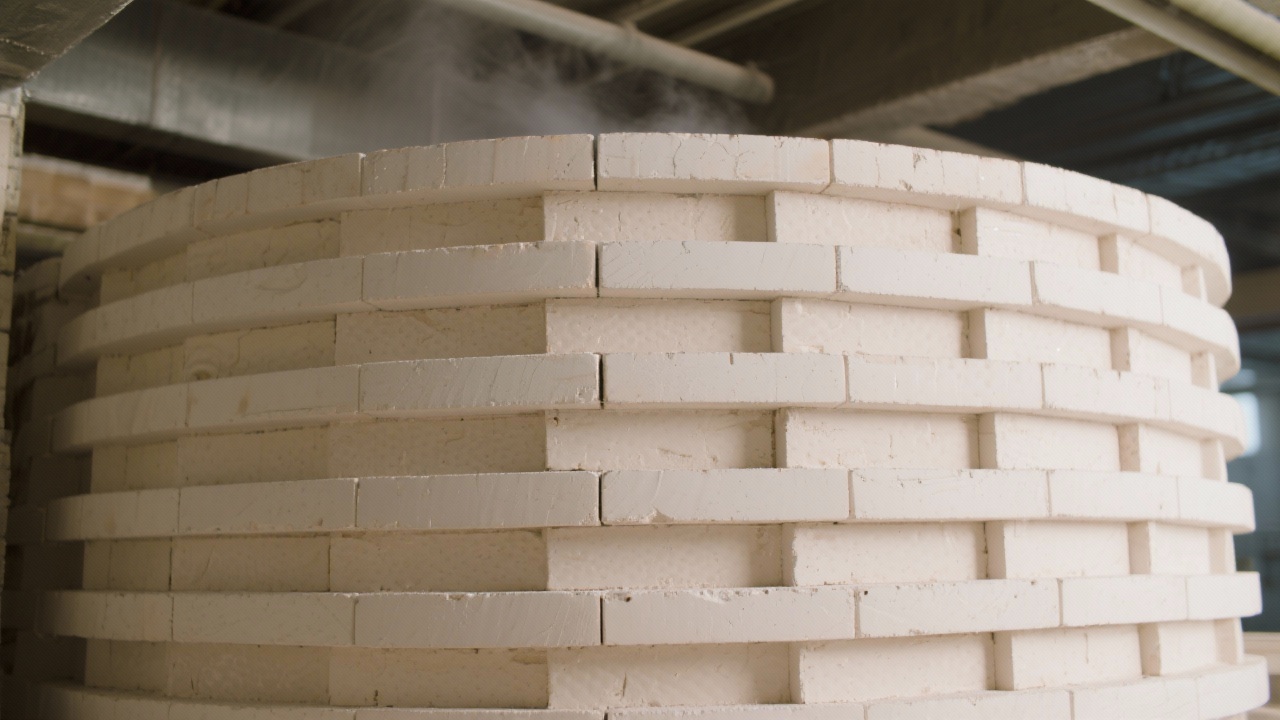
Case studies from steel manufacturing plants indicate that optimized mag-chrome bricks reduce refractory replacement frequency by up to 30%, extending service life from 18 months to over 24 months under harsh thermal conditions. Energy savings from improved insulation have been quantified at approximately 8-12% annually, depending on furnace size and operation cycles.
These impressive outcomes underscore the value of precise compositional control and adaptability embedded in Huanai High Temperature’s refractory brick product lines.
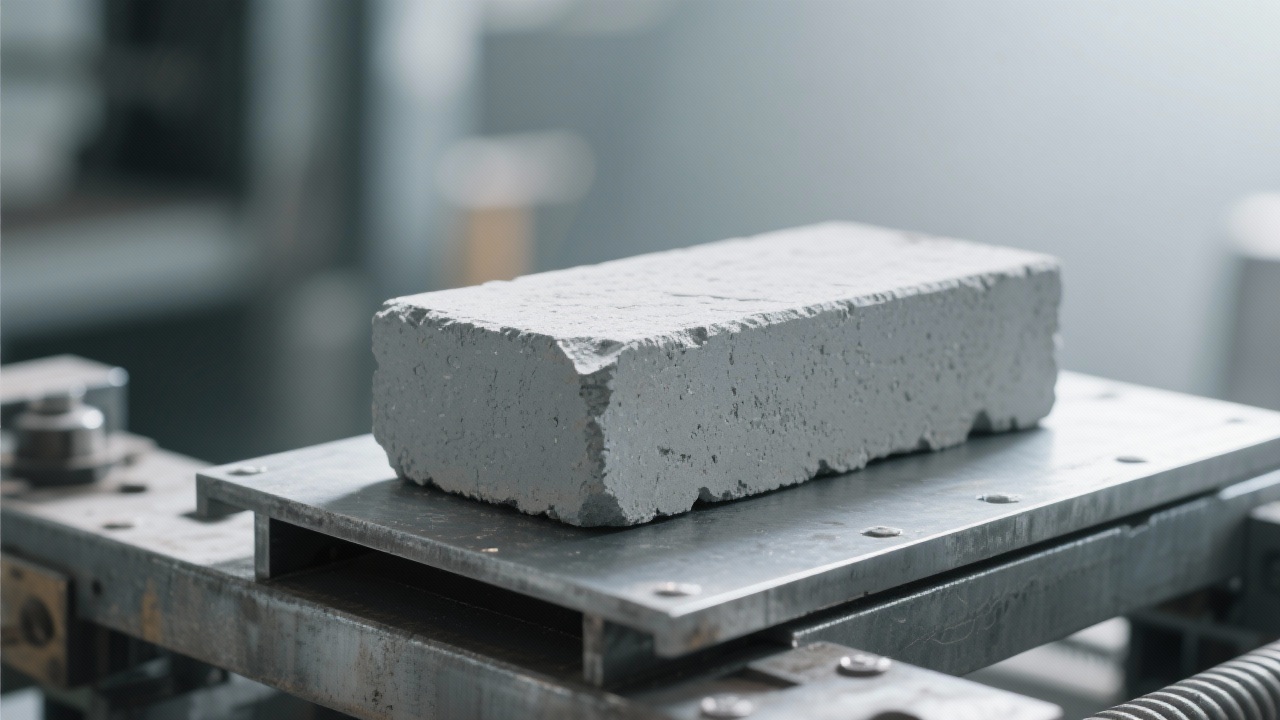
For companies seeking to elevate their industrial furnace performance with scientifically optimized mag-chrome refractory bricks, thorough understanding of thermal shock resistance mechanisms and testing methods is indispensable. Leveraging such insights ensures enhanced product reliability, energy efficiency, and operational safety.
 452
|
452
|
 High alumina refractory clay bricks
Industrial furnace lining
High - temperature refractory materials
Wear - and corrosion - resistant refractory bricks
Furnace lining installation techniques
38
|
high alumina fire clay brick
industrial furnace lining
refractory material technology
thermal shock resistant brick
custom refractory solution
High alumina refractory clay bricks
Industrial furnace lining
High - temperature refractory materials
Wear - and corrosion - resistant refractory bricks
Furnace lining installation techniques
38
|
high alumina fire clay brick
industrial furnace lining
refractory material technology
thermal shock resistant brick
custom refractory solution
 192
|
high-alumina refractory bricks
industrial furnace lining solutions
refractory material selection guide
spherical pore structure refractory bricks
thermal shock resistant refractory materials
192
|
high-alumina refractory bricks
industrial furnace lining solutions
refractory material selection guide
spherical pore structure refractory bricks
thermal shock resistant refractory materials
 446
|
chrome corundum bricks
copper smelting furnace life extension
refractory corrosion resistance
high-temperature refractory materials
furnace maintenance optimization
332
|
alumina refractory brick
high alumina refractory
refractory brick wear resistance
high temperature refractory
fused versus sintered refractory
446
|
chrome corundum bricks
copper smelting furnace life extension
refractory corrosion resistance
high-temperature refractory materials
furnace maintenance optimization
332
|
alumina refractory brick
high alumina refractory
refractory brick wear resistance
high temperature refractory
fused versus sintered refractory