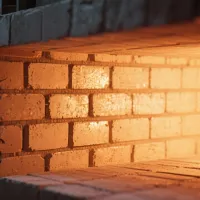
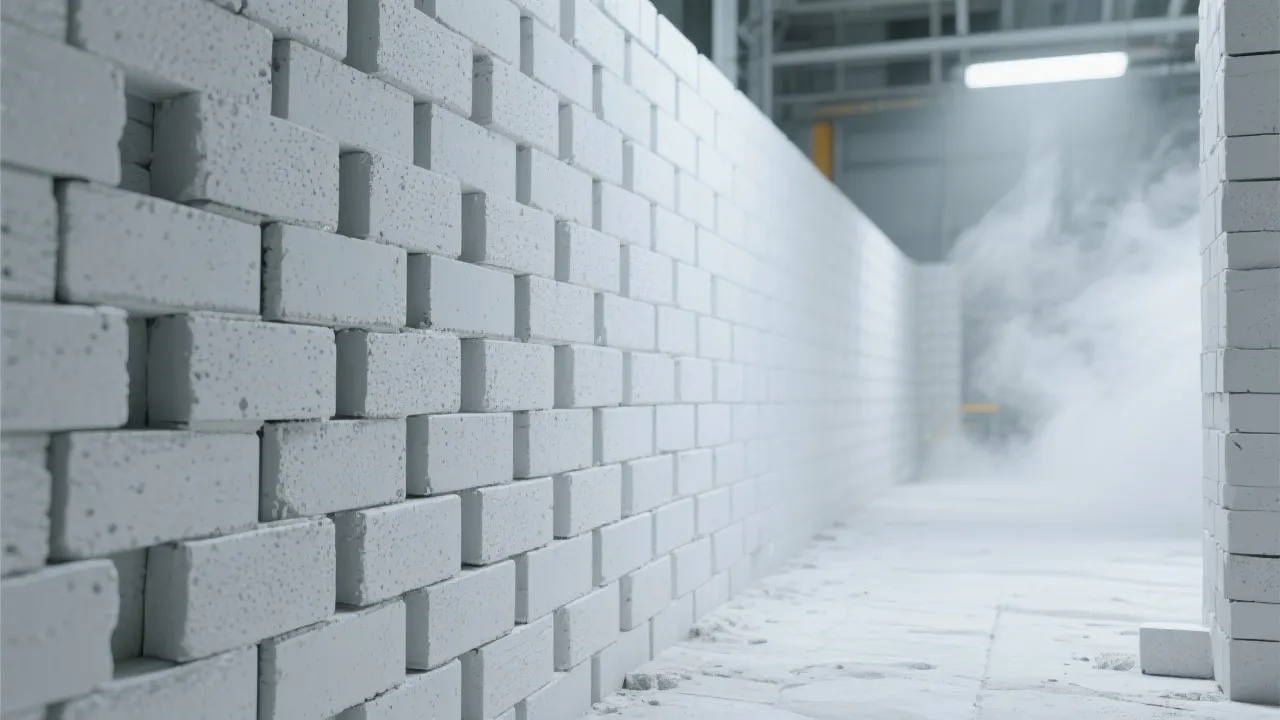
Proper installation of magnesium carbon bricks in steelmaking furnaces is pivotal to ensuring long-lasting furnace linings and stable operations. Inadequate procedures often result in premature lining failures, costly downtime, and reduced operational efficiency. This guide walks you through the essential steps in the installation process, integrated with practical insights to help extend your furnace lining life by over 30%, supported by experimental data from industry benchmarks.
Premature failure of furnace linings frequently traces back to improper brick installation and maintenance. Key challenges include uneven brick gaps, insufficient anchoring, inadequate drying protocols, and thermal stress during operation. These lead to cracking, peeling, and blistering, which compromise the integrity and lifespan of the refractory lining. Understanding these pitfalls is the first step toward durable furnace performance.
Before beginning installation, meticulous preparation is crucial:
Precision in bricklaying is indispensable. Here’s what you need to monitor:
Post-installation, progressive drying and heating are imperative to prevent explosive spalling. Implement segmented heating profiles:
Once operational, constant vigilance is required to safeguard the lining:
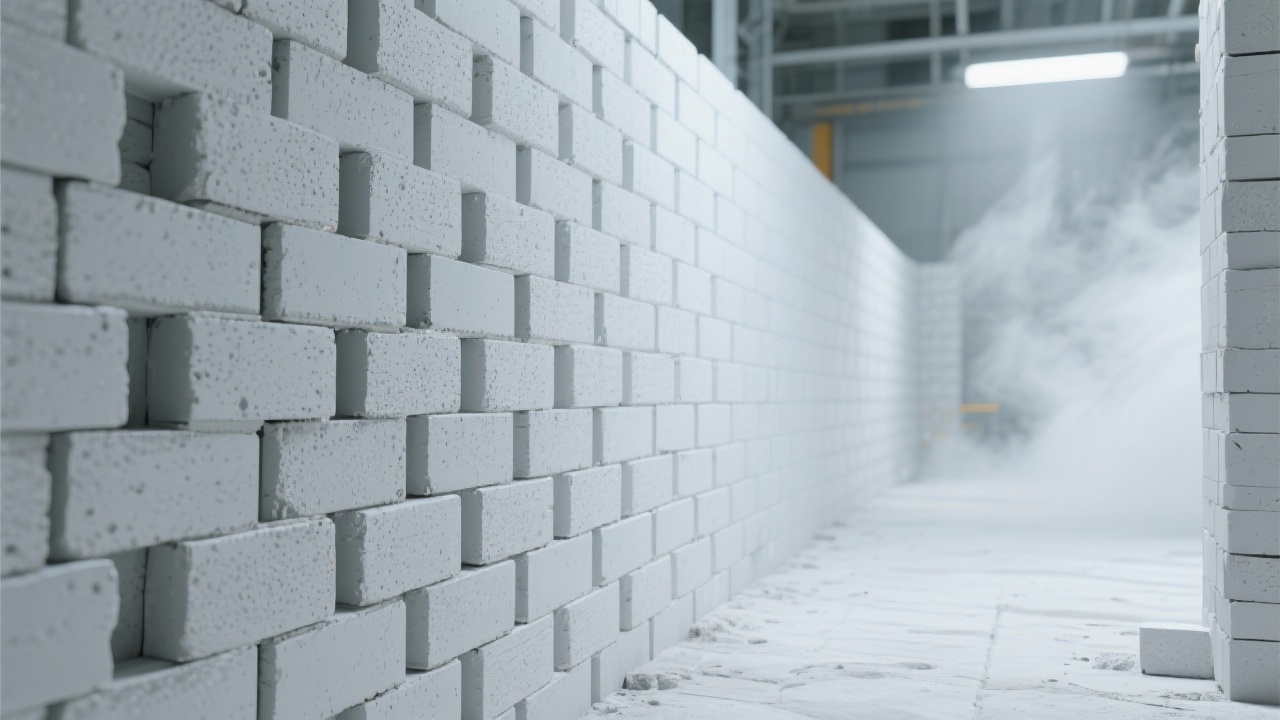
Here are common problems with their respective diagnostics and countermeasures:
A prominent steel plant adopting standardized magnesium carbon brick installation methods reported a 32% increase in lining lifespan within a year. Leveraging products from Shandong Huanai, they strictly maintained joint precision ≤3mm, optimized anchor layouts, and implemented segmented heating curves. This has yielded significant operational savings and improved furnace uptime.
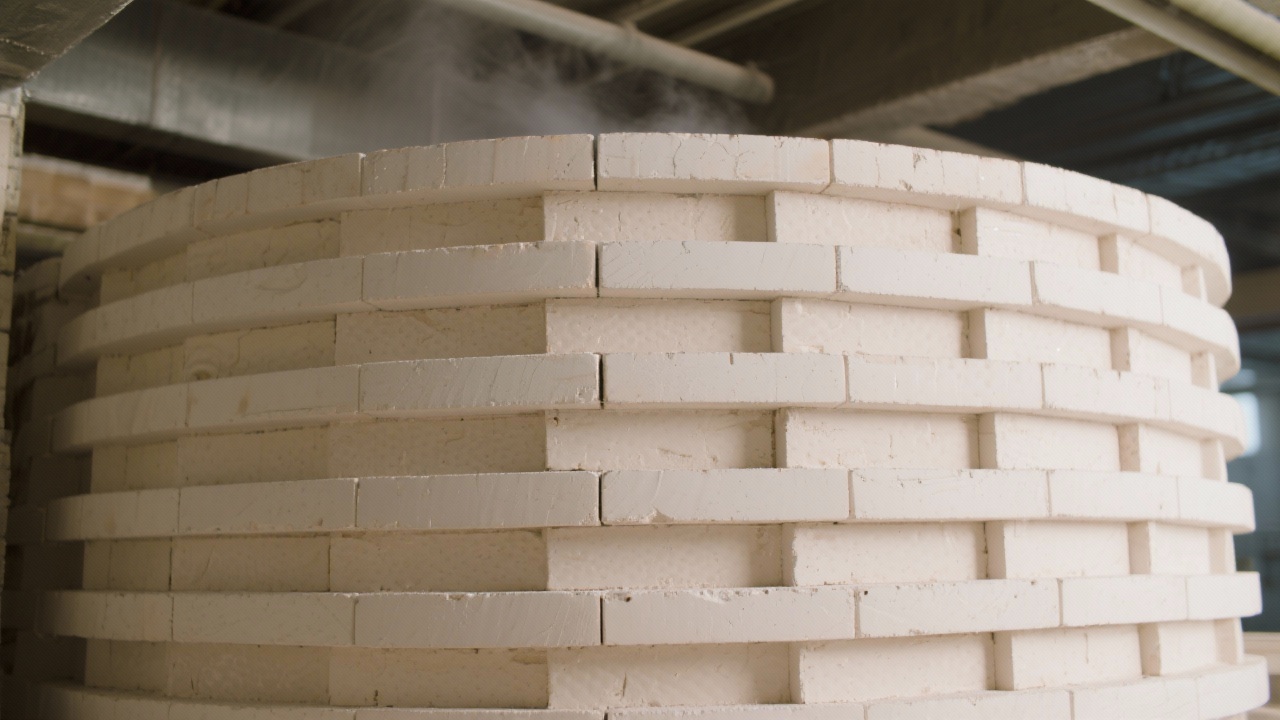
Remember, robust installation paired with vigilant daily maintenance ensures your furnace lining remains stable for extended periods. Monitor operational parameters, conduct routine inspections, and address early warning signs promptly. Utilizing industry-leading refractory materials such as those from Shandong Huanai Refractory Materials Co., Ltd. positions your operation for high-temperature resilience and economic efficiency.
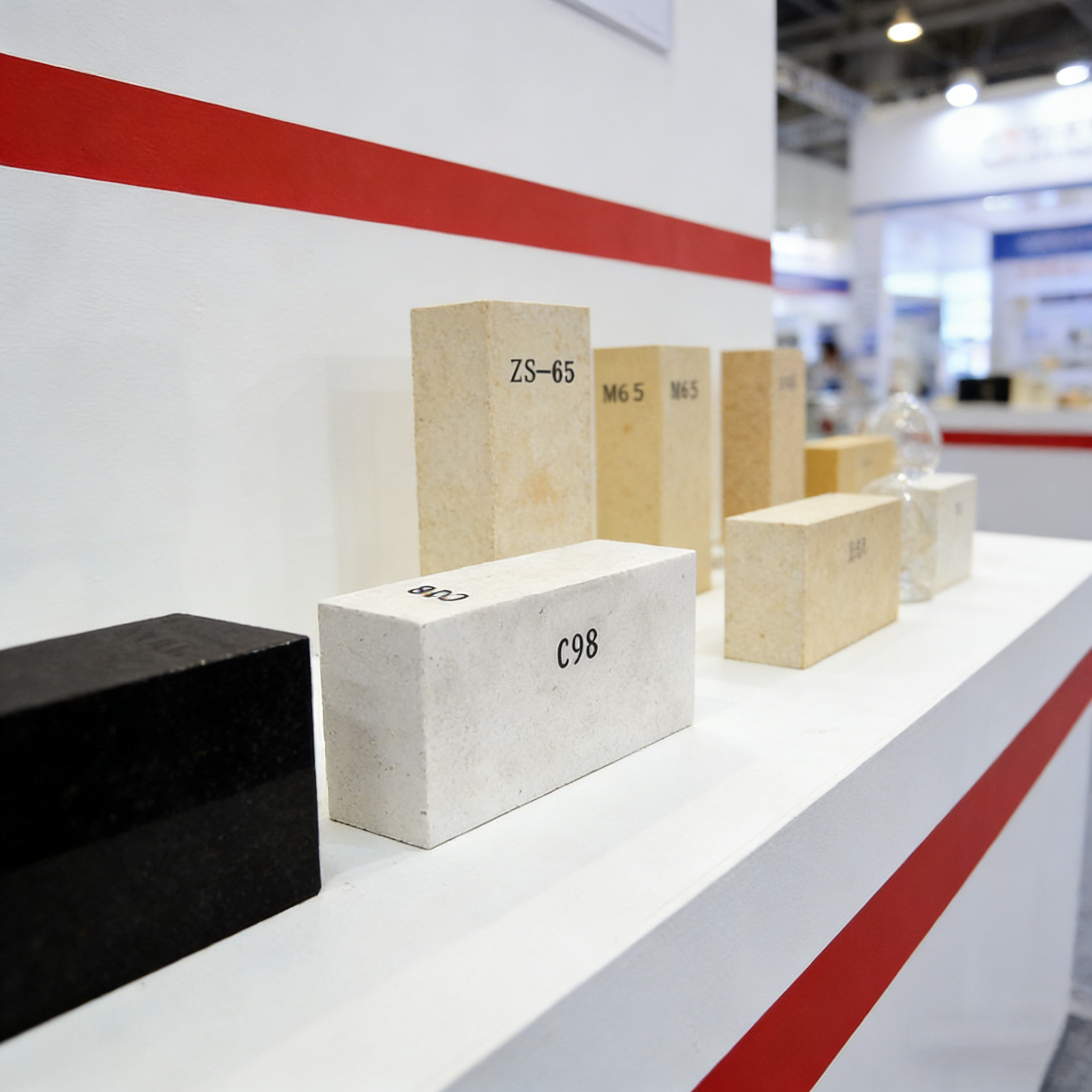
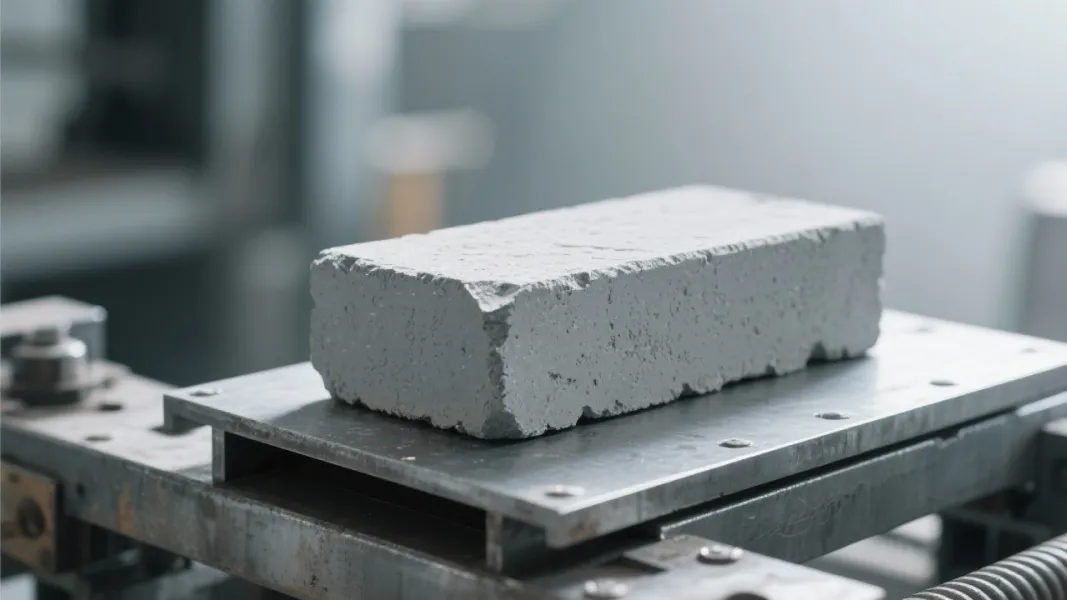
 452
|
452
|
 High alumina refractory clay bricks
Industrial furnace lining
High - temperature refractory materials
Wear - and corrosion - resistant refractory bricks
Furnace lining installation techniques
High alumina refractory clay bricks
Industrial furnace lining
High - temperature refractory materials
Wear - and corrosion - resistant refractory bricks
Furnace lining installation techniques
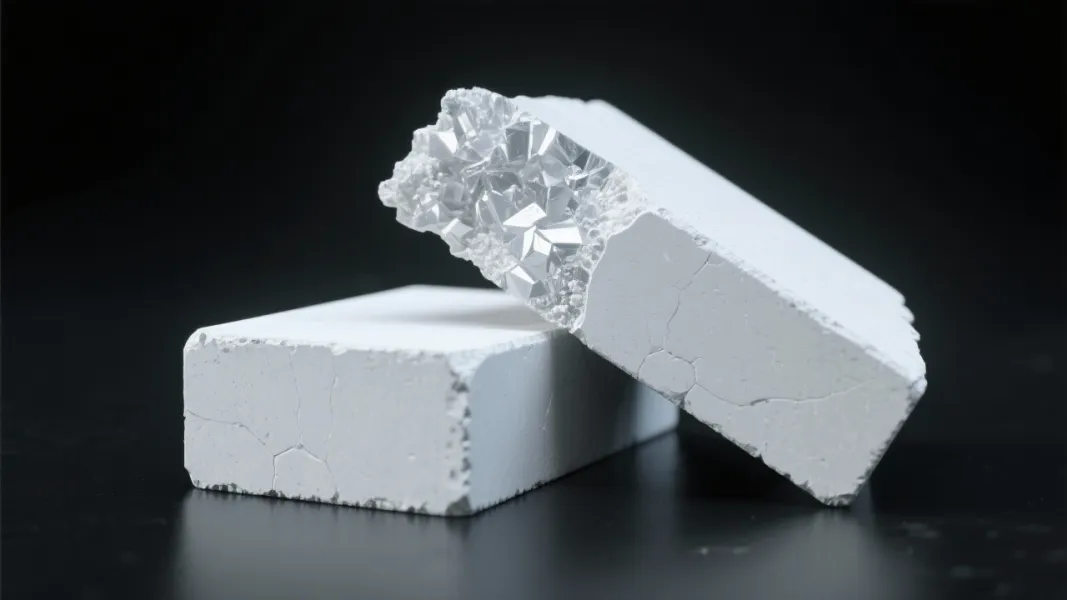 174
|
High - alumina refractory clay bricks
Hot blast stove lining
Thermal shock resistance
Wear resistance
Industrial furnace refractory materials
174
|
High - alumina refractory clay bricks
Hot blast stove lining
Thermal shock resistance
Wear resistance
Industrial furnace refractory materials
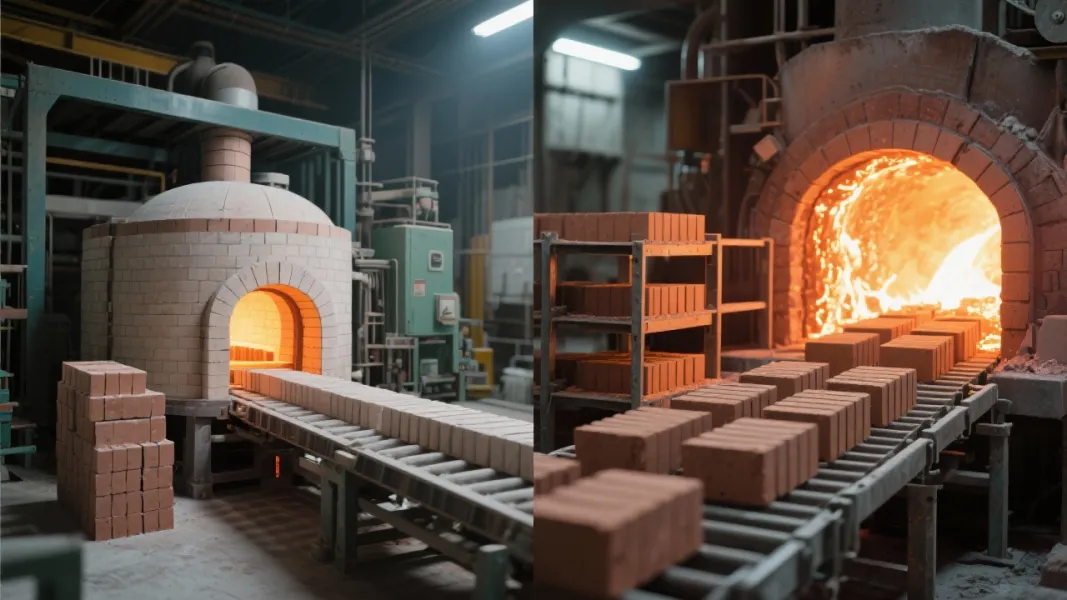 126
|
magnesia-chrome refractory bricks
heat shock resistance technology
high-temperature refractory materials
thermal expansion coefficient
microcrack self-healing
126
|
magnesia-chrome refractory bricks
heat shock resistance technology
high-temperature refractory materials
thermal expansion coefficient
microcrack self-healing
 310
|
high alumina fire clay brick
high density refractory brick
industrial furnace lining
thermal shock resistant brick
custom refractory solutions
310
|
high alumina fire clay brick
high density refractory brick
industrial furnace lining
thermal shock resistant brick
custom refractory solutions
 372
|
High alumina refractory clay bricks
High-temperature industrial furnace refractory bricks
Refractory brick installation technology
Furnace lining refractory materials
Refractory brick performance analysis
372
|
High alumina refractory clay bricks
High-temperature industrial furnace refractory bricks
Refractory brick installation technology
Furnace lining refractory materials
Refractory brick performance analysis