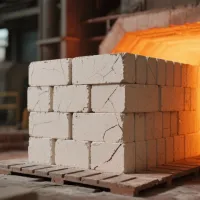
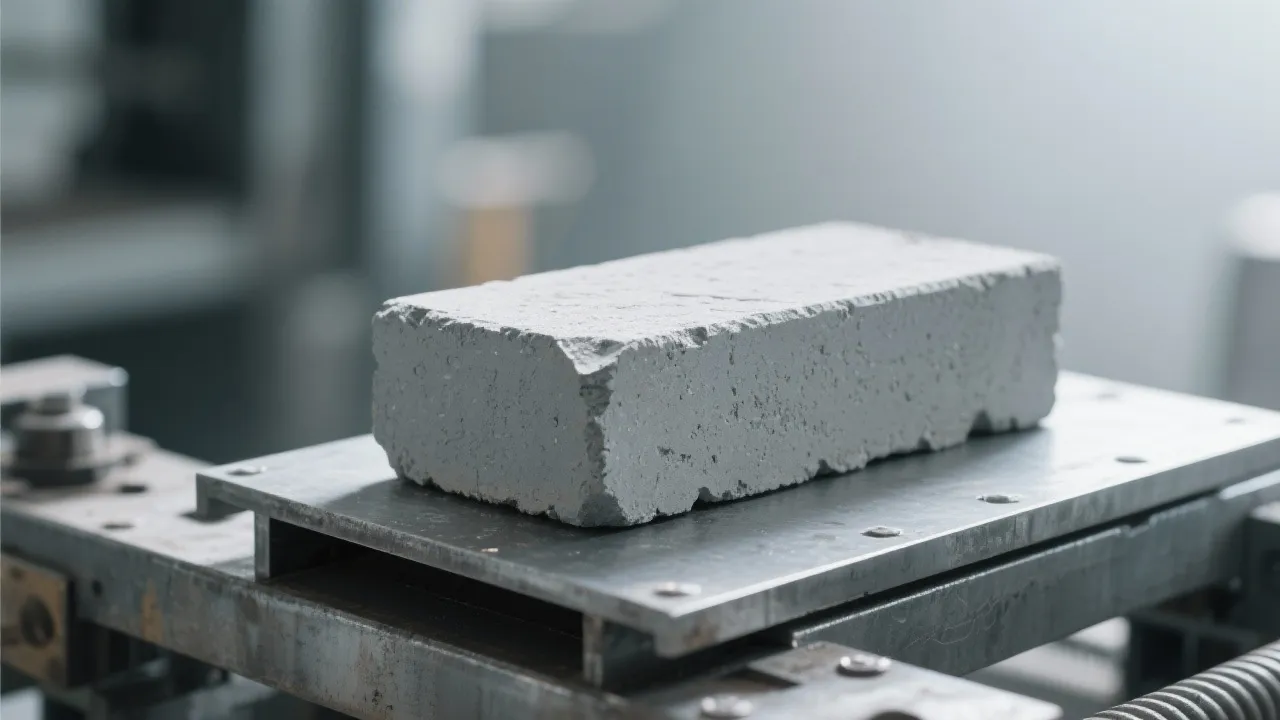
If you’re responsible for choosing refractory materials for converter linings, you understand the critical role these materials play in ensuring operational efficiency and furnace longevity. Selecting the right magnesia-chrome (Mg-Cr) refractory bricks isn’t just about material compatibility—it’s a strategic decision that influences your converter’s lifespan, maintenance frequency, and overall production costs.
It’s a common challenge in steelmaking plants: refractory bricks degrade faster than planned, leading to unexpected downtimes and costly repairs. The root causes often trace back to mismatches between brick properties and the harsh converter environment—extreme temperatures, mechanical stresses, slag corrosion, and thermal cycling. Avoiding blind material selection can significantly reduce these risks.
To make an informed choice, you must evaluate Mg-Cr bricks against five essential KPIs that influence real-world performance:
These KPIs aren’t independent: optimizing one aspect often impacts others, requiring a balanced approach tailored to your converter’s specific operation.
Leveraging the silicate bonding process vastly enhances the microstructure and bonding strength of Mg-Cr bricks. This technology ensures superior structural integrity when exposed to high temperatures above 1550°C for extended periods. Compared to traditional sintered bricks, silicate bonded Mg-Cr bricks exhibit:
Incorporating silicate bonded Mg-Cr bricks into your converter lining system is a cost-effective maintenance strategy that can extend furnace operation by over 30%.
| Criterion | Key Questions | Recommended Thresholds | Inspection Methods |
|---|---|---|---|
| Refractoriness | Can the brick sustain >1550°C without softening? | ≥ 1780°C (Refractoriness Under Load) | Standard RUL testing (ISO 1893) |
| Volume Stability | Does dimensional change stay <0.2% after heat cycling? | ≤ 0.15% | Thermal expansion tests and laser measurement |
| Thermal Expansion | Is the expansion coefficient compatible with adjacent materials? | ~7-8 x10⁻⁶ /K (25-1000°C) | Dilatometry analysis |
| Thermal Shock Resistance | Can bricks withstand 10+ rapid heat-cool cycles without cracking? | ISI TC testing & visual inspection | IEC 61326 standard |
| Slag Resistance | Does the brick show minimal corrosion and spalling? | ≤ 5% weight loss after slag attack test | Slag immersion tests ASTM C860 |
Many end-users underestimate the impact of detailed KPI evaluation. Common mistakes include prioritizing only refractoriness while neglecting thermal shock resistance or slag corrosion. This oversight often leads to premature lining failures. Implementing a comprehensive checklist, like the one above, helps you systematically assess your operational conditions, installation quality, and post-install inspection protocols.
Furthermore, take advantage of supplier expertise to examine material microstructure reports and ask for long-term case studies from comparable furnaces. This informed approach safeguards your capital investment and dramatically improves maintenance planning efficiency.
Don’t let inadequate refractory selection shorten your converter’s productive lifespan. By focusing on the critical KPIs and leveraging silicate bonded Mg-Cr bricks, you can achieve an economical and technically sound lining solution that optimizes furnace uptime and reduces lifecycle costs.
Discover Our Advanced Mg-Cr Brick Solutions »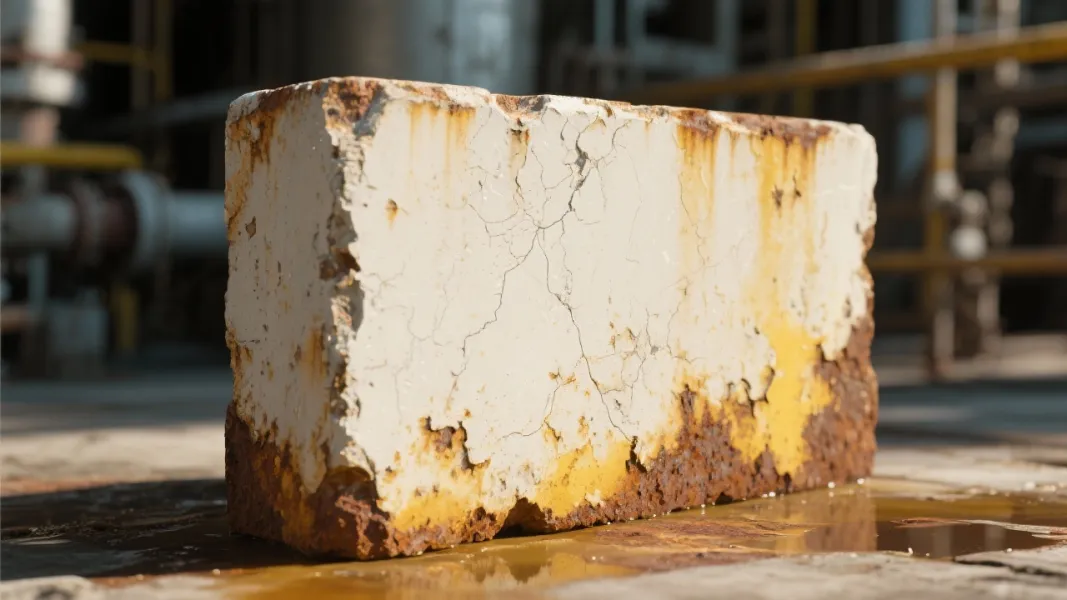
 483
|
483
|
 fused alumina brick
sintered alumina brick
glass melting furnace refractory
refractory brick selection
high-temperature refractory material
fused alumina brick
sintered alumina brick
glass melting furnace refractory
refractory brick selection
high-temperature refractory material
 427
|
high alumina fireclay brick
hot blast stove lining
refractory brick installation
thermal shock resistant brick
refractory material maintenance
427
|
high alumina fireclay brick
hot blast stove lining
refractory brick installation
thermal shock resistant brick
refractory material maintenance
 295
|
high-alumina refractory bricks
glass furnace refractories
refractory brick wear resistance testing
corrosion resistant refractory bricks
industrial furnace lining solutions
295
|
high-alumina refractory bricks
glass furnace refractories
refractory brick wear resistance testing
corrosion resistant refractory bricks
industrial furnace lining solutions
 141
|
Corundum refractory bricks
High alumina content
Refractoriness of 1700°C
Wear resistance
Sintering and melting processes
141
|
Corundum refractory bricks
High alumina content
Refractoriness of 1700°C
Wear resistance
Sintering and melting processes
 309
|
high alumina fire clay brick
high density refractory brick
industrial furnace lining
thermal shock resistant brick
custom refractory solutions
309
|
high alumina fire clay brick
high density refractory brick
industrial furnace lining
thermal shock resistant brick
custom refractory solutions