Understanding the thermal shock resistance of refractory bricks is pivotal for ensuring the reliable performance and longevity of industrial furnaces. This technical guide meticulously examines two predominant testing methodologies — the Water Quenching Method and the Air Cooling Method — to aid professionals in selecting the most appropriate approach based on operational demands and material characteristics.
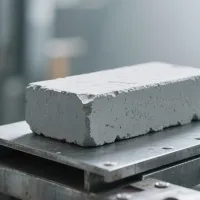
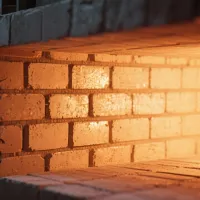
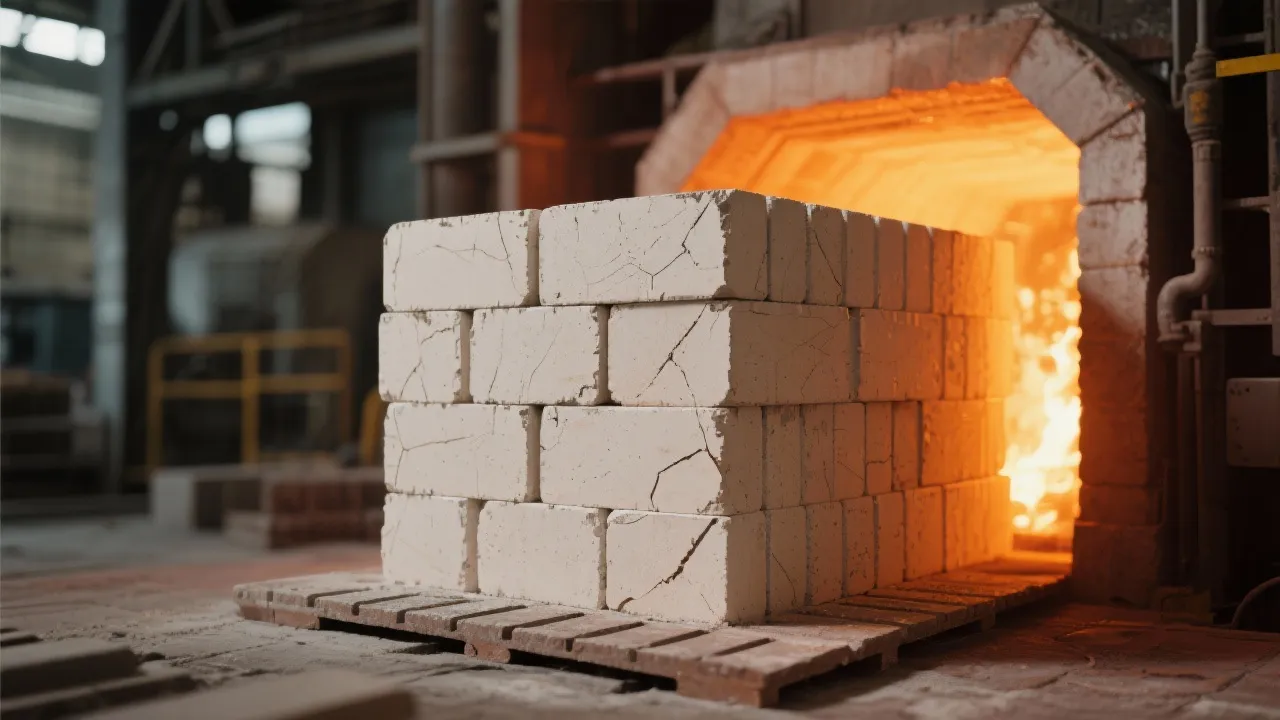
Thermal shock tests simulate the rapid temperature fluctuations refractory bricks endure during furnace cycling. Accurately assessing their resistance to cracking and deterioration helps predict service life and optimize maintenance schedules. The two primary standardized tests are:
Both test protocols feature prominently in ISO 8902 and ASTM C1529 standards, defining cycle counts, temperature profiles, and failure criteria. The chart below contrasts these methods in key parameters:
| Parameter | Water Quenching | Air Cooling |
|---|---|---|
| Temperature Range | 900°C - 1200°C | 700°C - 1100°C |
| Cooling Medium | Water (~25°C) | Ambient Air (20-30°C) |
| Thermal Gradient Severity | High (Rapid Quench) | Moderate (Gradual Cooling) |
| Typical Cycle Duration | 10 - 50 cycles | 50 - 200 cycles |
| Applications | Severe thermal shock scenarios | Routine operating fluctuations |
Refractory bricks with low porosity—typically less than 15%—exhibit enhanced thermal shock resistance due to decreased water absorption and increased mechanical integrity. Meanwhile, the Alumina (Al₂O₃) content ranging between 30% to 46% significantly affects the fireclay structure, improving densification and heat capacity, which reduces crack propagation under thermal cycling.
According to material analysis and thermomechanical theoretical modeling:
When combined, these parameters lead to a 20-30% improvement in thermal shock lifespan, verified by cyclic testing protocols conforming to industry standards.
Complying with ISO 8902 and ASTM C1529 ensures uniformity in thermal shock test application and data interpretation. These documents specify:
Industrial furnace operators should critically assess suppliers’ technical reports against these standards by:
Such scrutiny guarantees material durability, reduces unexpected downtime, and informs sourcing decisions aligned with furnace endurance requirements.
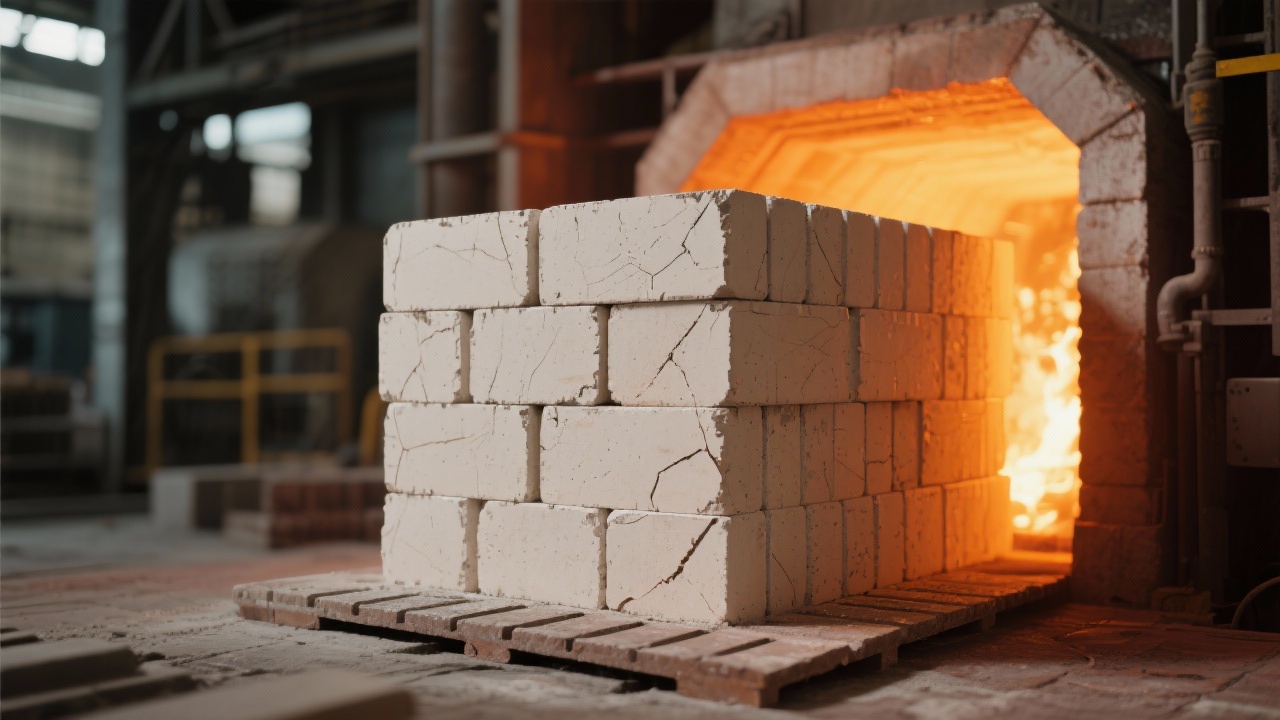
Integrating validated refractory bricks with optimized low porosity and alumina content can substantially improve furnace reliability. When selecting testing methods:
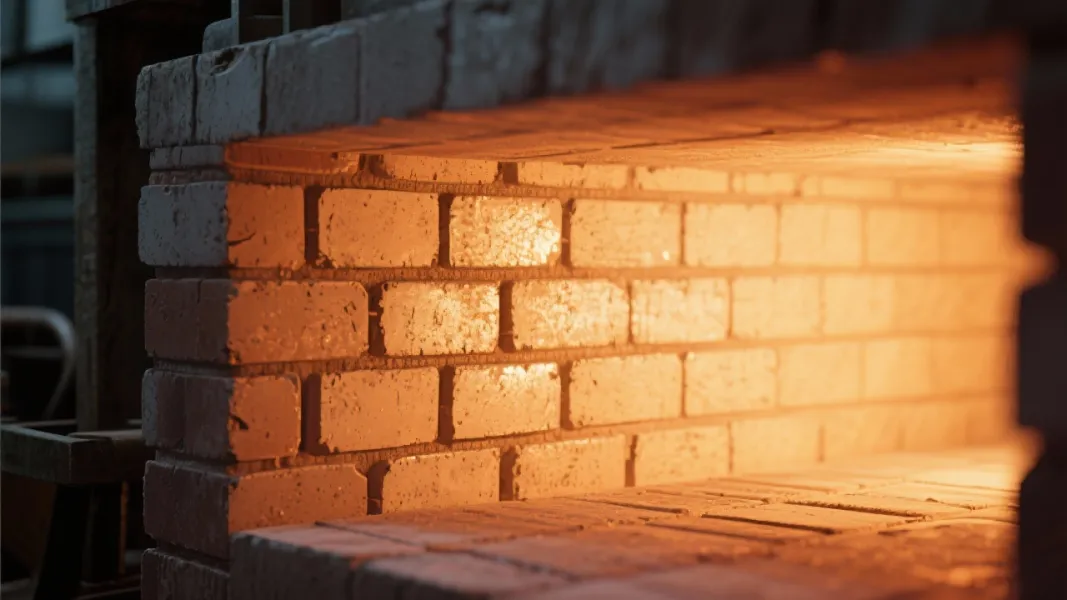
Maintenance teams should also monitor crack development using periodic inspections coupled with thermal imaging to detect early signs of deterioration. Implementing preventative replacement strategies informed by these metrics enhances operational continuity.
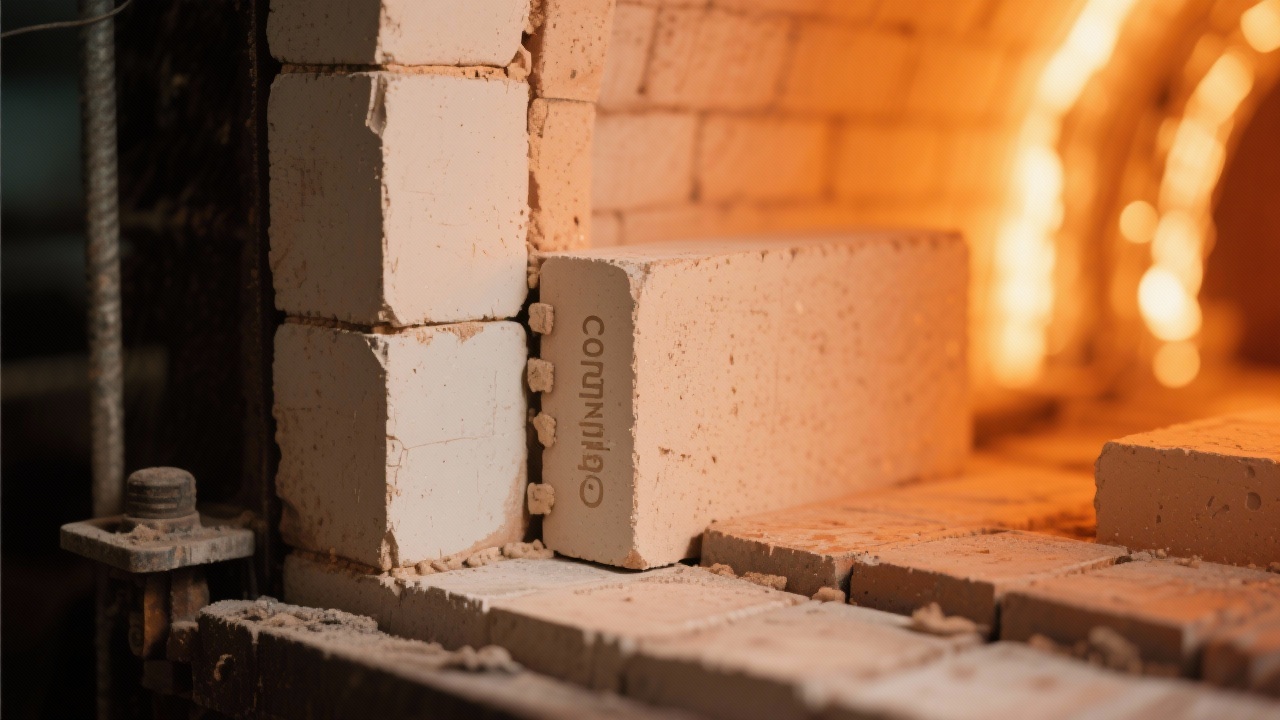
Advanced simulation tools integrating material microstructure data further aid in predicting refractory lifespan, enabling data-driven maintenance optimization.
A recent industrial trial demonstrated that refractory bricks engineered with 40% alumina content and porosity below 12% extended the thermal shock cycle resistance by 35% compared to standard bricks (30% alumina, 20% porosity) under air cooling conditions. This enhancement directly contributed to reducing furnace downtime by 18%, translating into significant cost savings and increased production uptime.

 472
|
472
|
 corundum refractory bricks
sintering process
melting process
high - temperature wear - resistant materials
refractory brick selection
corundum refractory bricks
sintering process
melting process
high - temperature wear - resistant materials
refractory brick selection
 364
|
sintered magnesia carbon bricks
high-temperature furnace refractory lining
refractory material application
furnace lining design optimization
electric arc furnace refractories
364
|
sintered magnesia carbon bricks
high-temperature furnace refractory lining
refractory material application
furnace lining design optimization
electric arc furnace refractories
 471
|
arc furnace refractory materials
sintered magnesium carbon brick
magnesium carbon brick anti-alkali slag performance
high temperature furnace lining solution
oxidant additive technology
190
|
corundum refractory brick
high alumina refractory
fused vs sintered refractory
wear resistant refractory
ceramic industry refractory
175
|
corundum refractory brick
high-alumina refractory materials
refractory brick service life improvement
refractory material applications
alumina content over 90%
471
|
arc furnace refractory materials
sintered magnesium carbon brick
magnesium carbon brick anti-alkali slag performance
high temperature furnace lining solution
oxidant additive technology
190
|
corundum refractory brick
high alumina refractory
fused vs sintered refractory
wear resistant refractory
ceramic industry refractory
175
|
corundum refractory brick
high-alumina refractory materials
refractory brick service life improvement
refractory material applications
alumina content over 90%