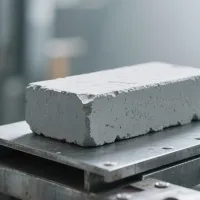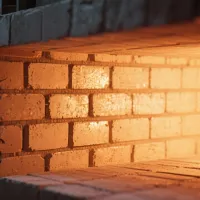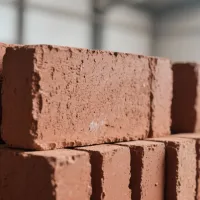
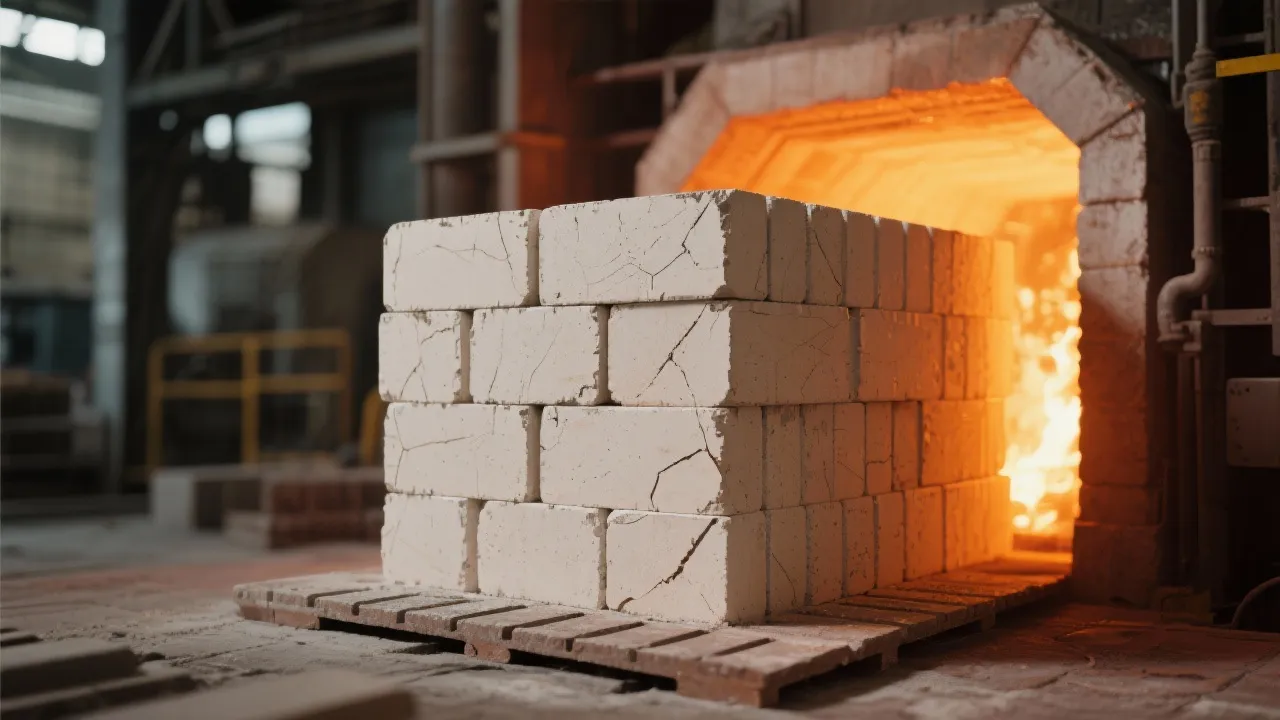
Thermal shock resistance is a critical performance parameter for refractory bricks used in high-temperature industrial furnaces. Accurate assessment of this property enables operators and material engineers to select bricks that prolong service life and optimize operational efficiency. Two internationally recognized testing methods—water quenching (water cooling) and air cooling—serve as the cornerstone techniques for evaluating a refractory brick’s resilience to rapid temperature changes. This article elucidates these methods with a special emphasis on low-porosity, high-alumina refractory bricks, and provides guidance for interpreting test results in alignment with ISO and ASTM standards.
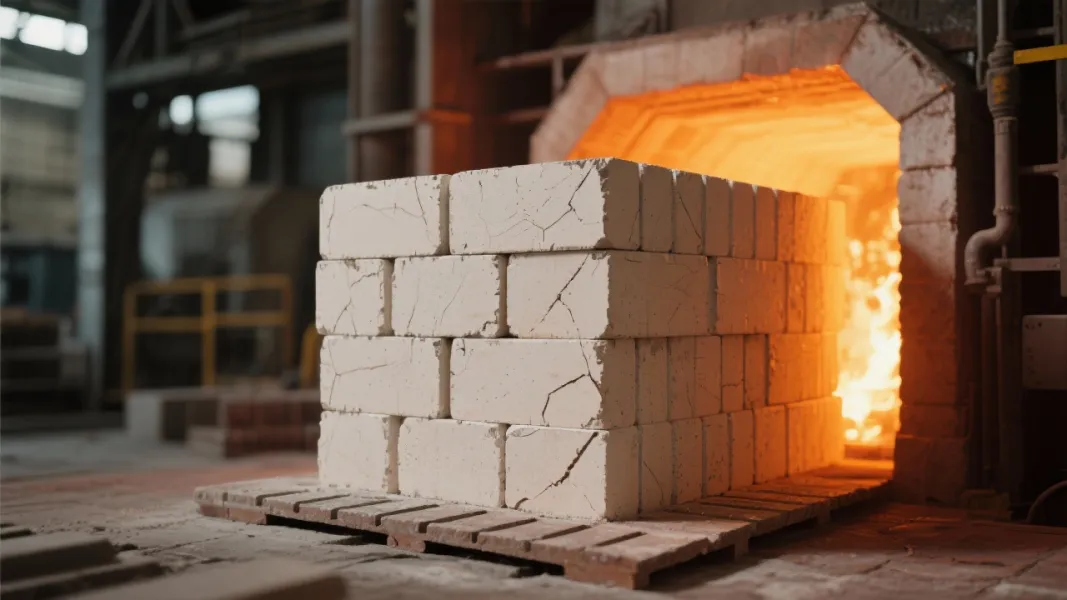
Water quenching is a stringent thermal shock test wherein heated refractory specimens (typically exposed to temperatures between 1000°C and 1400°C) are rapidly immersed into water, inducing abrupt temperature gradients that simulate extreme operational conditions such as emergency shutdowns or accidental water ingress in industrial furnaces. This process subjects the material to intensive thermal stress, revealing crack initiation and propagation tendencies under harsh scenarios.
Conversely, the air cooling method weakens the thermal gradient by allowing the heated specimen to cool naturally in still air or forced ambient airflow at room temperature. Although less severe, this method accurately reflects routine thermal cycling during furnace heating and shutdown phases. Each method offers unique insights—water quenching for robust, worst-case scenario evaluation, and air cooling for routine durability characterization.
Low-porosity refractory bricks, typically exhibiting porosity below 15%, demonstrate superior thermal shock resistance primarily owing to reduced pathways for crack propagation and mechanical stress concentration. These bricks contain a dense microstructure that limits thermal stress accumulation.
Alumina content ranging from 30% to 46% contributes significantly to material refractoriness and mechanical strength. Higher alumina concentrations enhance the brick's ability to withstand thermal gradients without cracking, as aluminum oxide’s crystal structure provides stability against high-temperature deformation. Consequently, refractory bricks with optimized low porosity combined with elevated alumina content exhibit markedly improved resistance to catastrophic failure under thermal cycling.
Reference Excerpts from ISO 1907:2016 and ASTM C1107-18 Standards
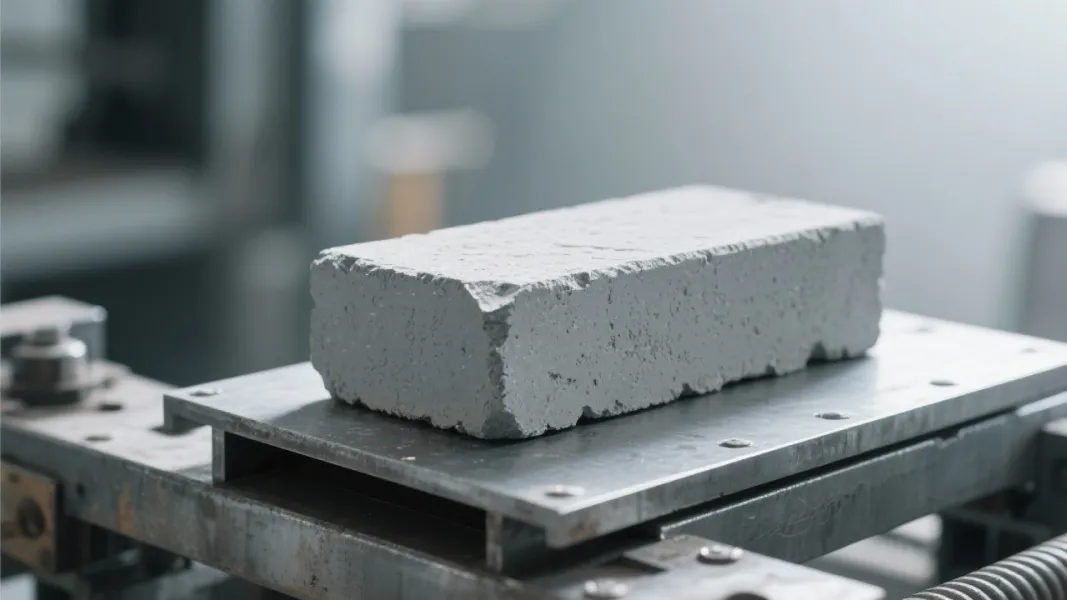
To determine compliance, users must compare the residual mechanical strength following testing against baseline values. A retained strength above 70% generally indicates a refractory brick suitable for most industrial furnace conditions. Importantly, users should request laboratory test reports certified by accredited bodies and verify original data to detect falsification or misrepresentation.
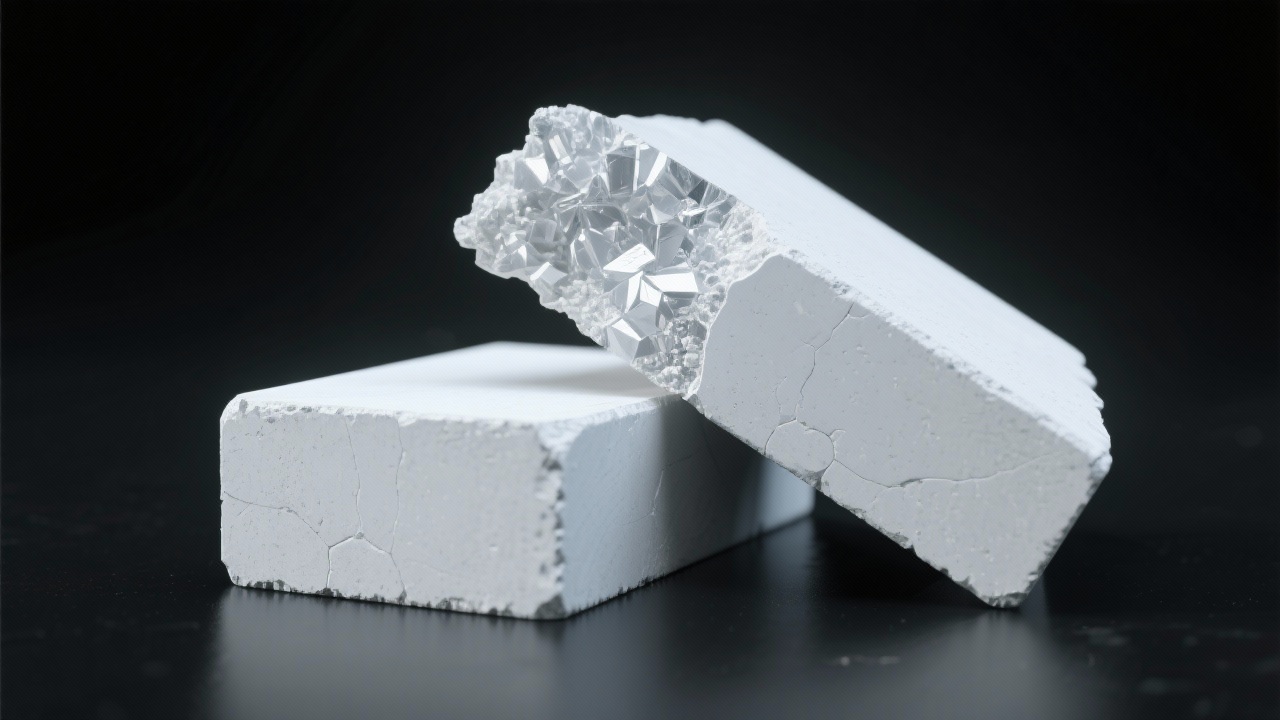
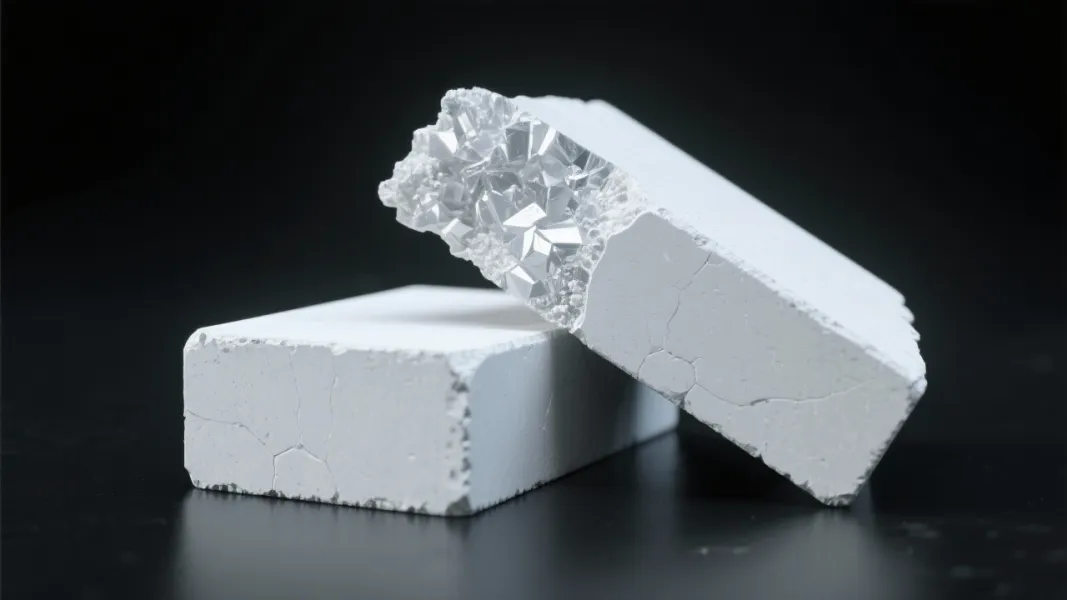
A typical case study demonstrates that under rapid water quenching, low-porosity alumina bricks show limited crack formation with cracks primarily arrested within the grain boundaries. In contrast, porous bricks develop extensive crack networks connecting pores, accelerating failure.
This correlation underscores the necessity of microstructural control during brick manufacturing and validates thermal shock testing as a predictive tool for long-term operational stability.
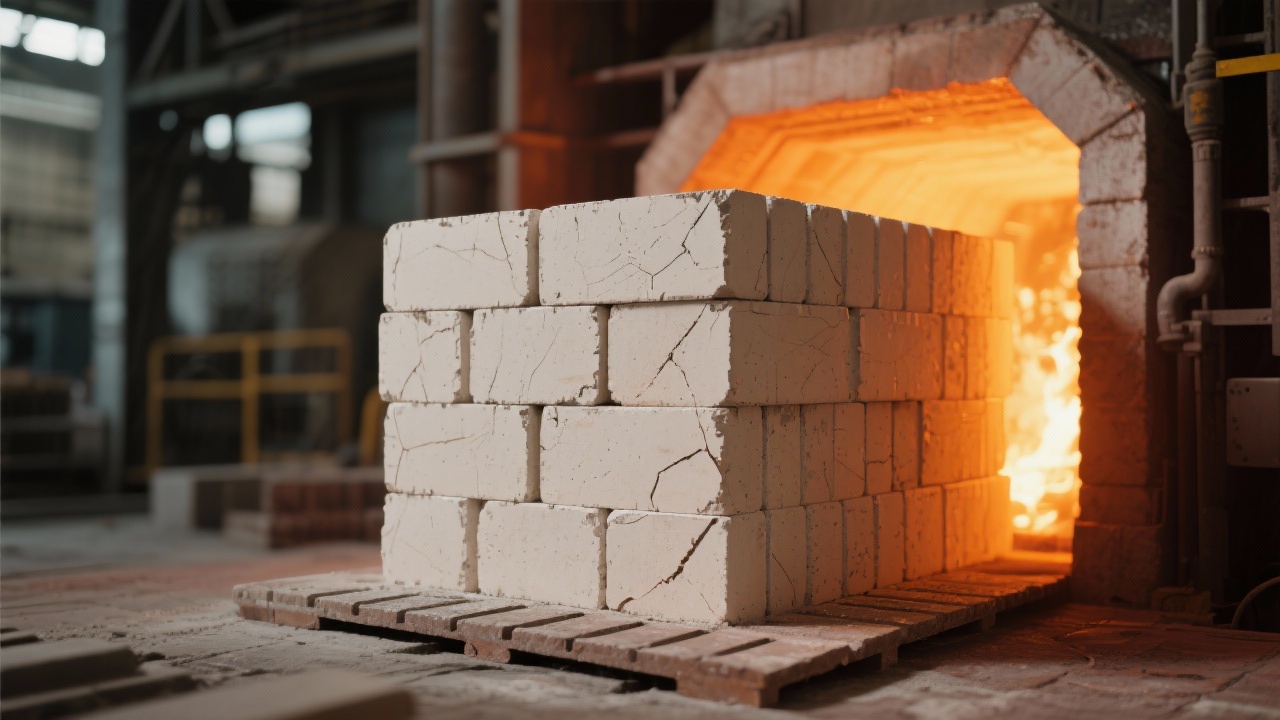
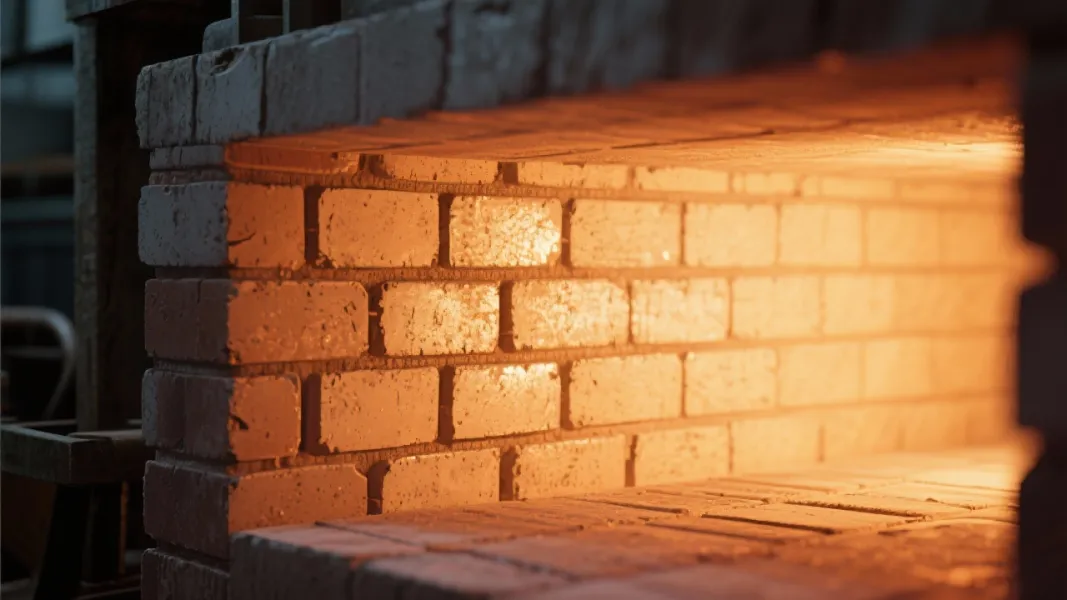
Operators should prioritize low-porosity, high-alumina refractory bricks in zones exposed to intense thermal gradients, such as hot faces and rapid cooling zones. Regular monitoring using both water quenching and air cooling tests on material samples can preemptively identify degradation.
Maintenance strategies must include sustainable thermal cycling protocols that avoid abrupt temperature shocks exceeding the tested parameters. Keeping detailed material performance records aligned with ISO/ASTM test data enhances predictive maintenance and reduces downtime.
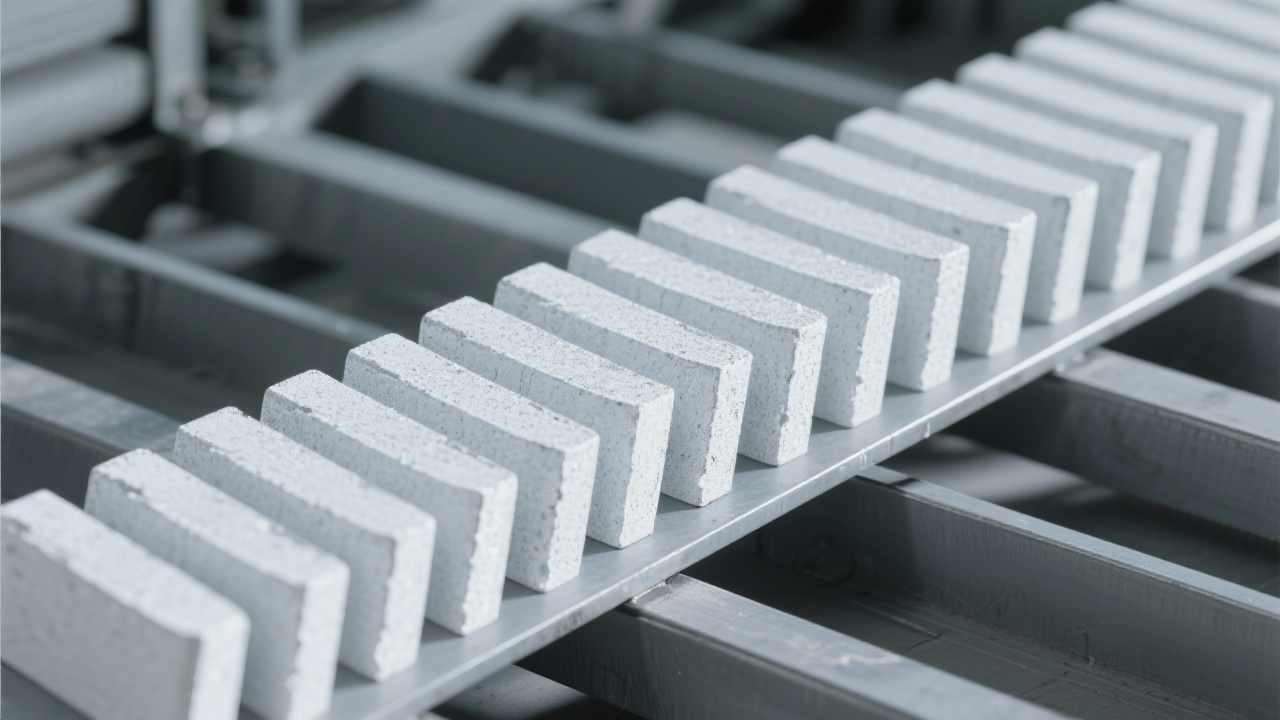
Integrating these data-driven insights with supplier-verified testing results helps optimize refractory selection that balances upfront costs against long-term operational savings.
 173
|
173
|
 High - alumina refractory clay bricks
Hot blast stove lining
Thermal shock resistance
Wear resistance
Industrial furnace refractory materials
High - alumina refractory clay bricks
Hot blast stove lining
Thermal shock resistance
Wear resistance
Industrial furnace refractory materials
 451
|
high alumina fire clay brick
industrial furnace lining
thermal shock resistance
custom refractory brick
low thermal conductivity refractory
451
|
high alumina fire clay brick
industrial furnace lining
thermal shock resistance
custom refractory brick
low thermal conductivity refractory
 38
|
high alumina fire clay brick
industrial furnace lining
refractory material technology
thermal shock resistant brick
custom refractory solution
38
|
high alumina fire clay brick
industrial furnace lining
refractory material technology
thermal shock resistant brick
custom refractory solution
 314
|
High - alumina refractory bricks
Hot blast stove lining
Thermal shock resistance
Low thermal conductivity
Refractory material application
314
|
High - alumina refractory bricks
Hot blast stove lining
Thermal shock resistance
Low thermal conductivity
Refractory material application
 368
|
industrial furnace refractory bricks
low porosity refractory materials
refractory brick selection
high-temperature refractory bricks
refractory material performance
368
|
industrial furnace refractory bricks
low porosity refractory materials
refractory brick selection
high-temperature refractory bricks
refractory material performance