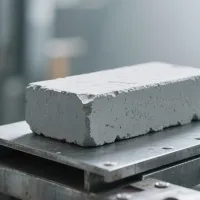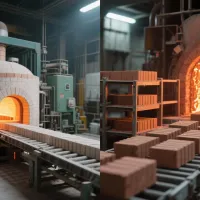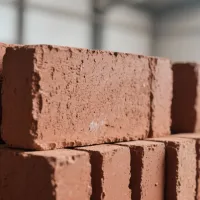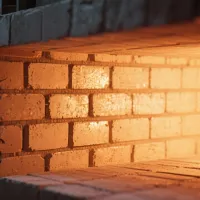
Refractory bricks endure extreme thermal stresses during industrial furnace startup and shutdown cycles. One critical measure of their durability is thermal shock resistance, assessing bricks’ capacity to withstand rapid temperature fluctuations without cracking or spalling. Among standardized testing protocols, Water Quenching and Air Cooling methods dominate as principal means of evaluating this performance.
The Water Quenching Method subjects heated refractory samples, typically raised to 900°C–1100°C, to immediate immersion in water at room temperature. This rapid thermal contraction creates intense thermal stress gradients. Conversely, the Air Cooling Method involves cooling samples in ambient air under controlled conditions, representing a gentler, slower cooling process meant to simulate operational furnace shutdowns where air exposure is prevalent.
Water quenching mimics harsh, emergency cooling situations or processes with sudden water exposure, while air cooling aligns with standard furnace cycles involving natural cooling. Water quenching often reveals the refractory’s limit for sudden thermal shocks, whereas air cooling tests assess resistance against typical operational thermal cycling.
Experimental results consistently show notable variations between these methods. For instance, alumina-based refractory bricks with 30%-46% alumina content and low porosity achieve an average residual strength retention of 85%-90% after ten cycles of water quenching, versus over 95% with air cooling cycles under similar conditions.
This discrepancy arises because water quenching introduces more severe thermal gradients, causing microcracks that propagate rapidly, a mechanism less pronounced under air cooling. Thus, water quenching serves as the more stringent benchmark for assessing extreme service conditions.
Low porosity in refractory bricks reduces sites for internal stress concentration during rapid temperature changes, inhibiting crack initiation and propagation. For example, bricks with porosity below 14% demonstrate a 20%-30% improvement in flexural strength retention post thermal shock compared to bricks with higher porosity.
Alumina content between 30%-46% enhances densification and phase stability. Higher alumina levels correlate with decreased thermal expansion coefficients and improved crystalline phase stability, resulting in enhanced thermal shock resistance. This relationship underscores the importance of specifying alumina percentages based on operational temperature profiles.
For furnace engineers and maintenance managers, understanding these testing nuances supports better decisions in refractory specification and lifecycle management. In applications with known water exposure risk, bricks validated by water quenching methods offer superior safety margins. Contrastingly, for dry-cycle furnaces, data from air cooling methods can justify cost-effective selections without compromising performance.
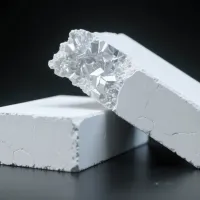
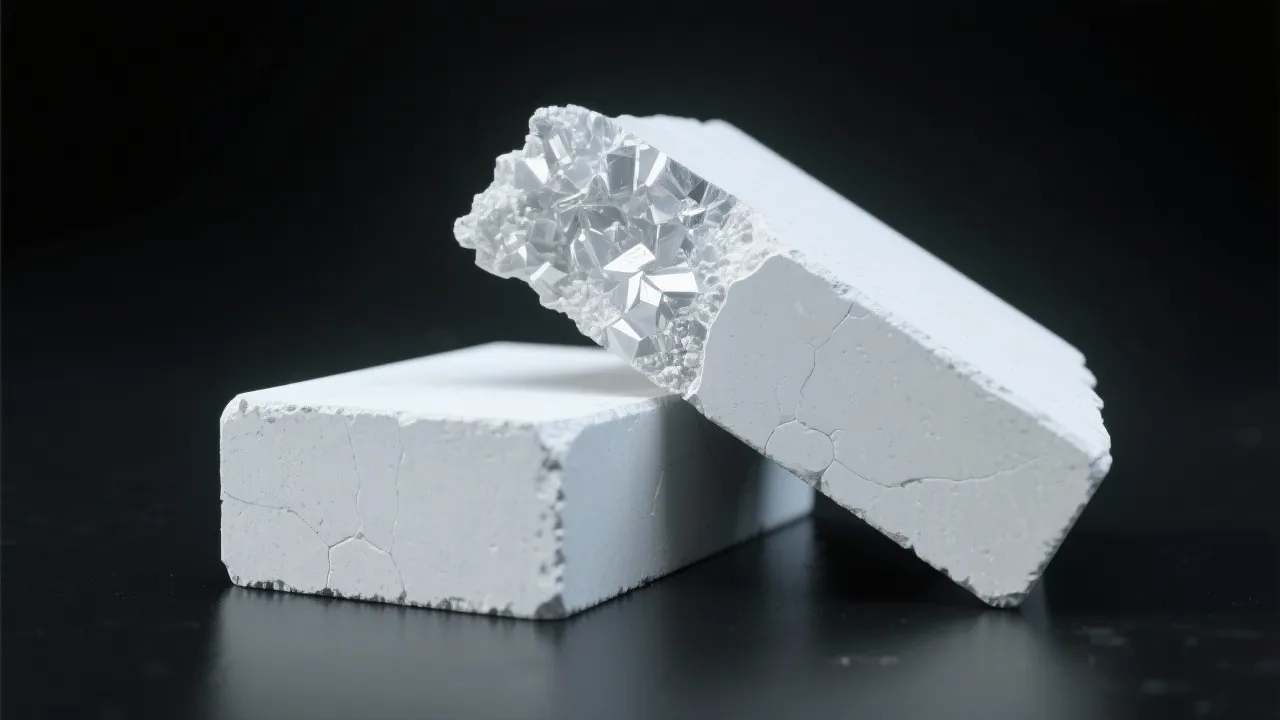
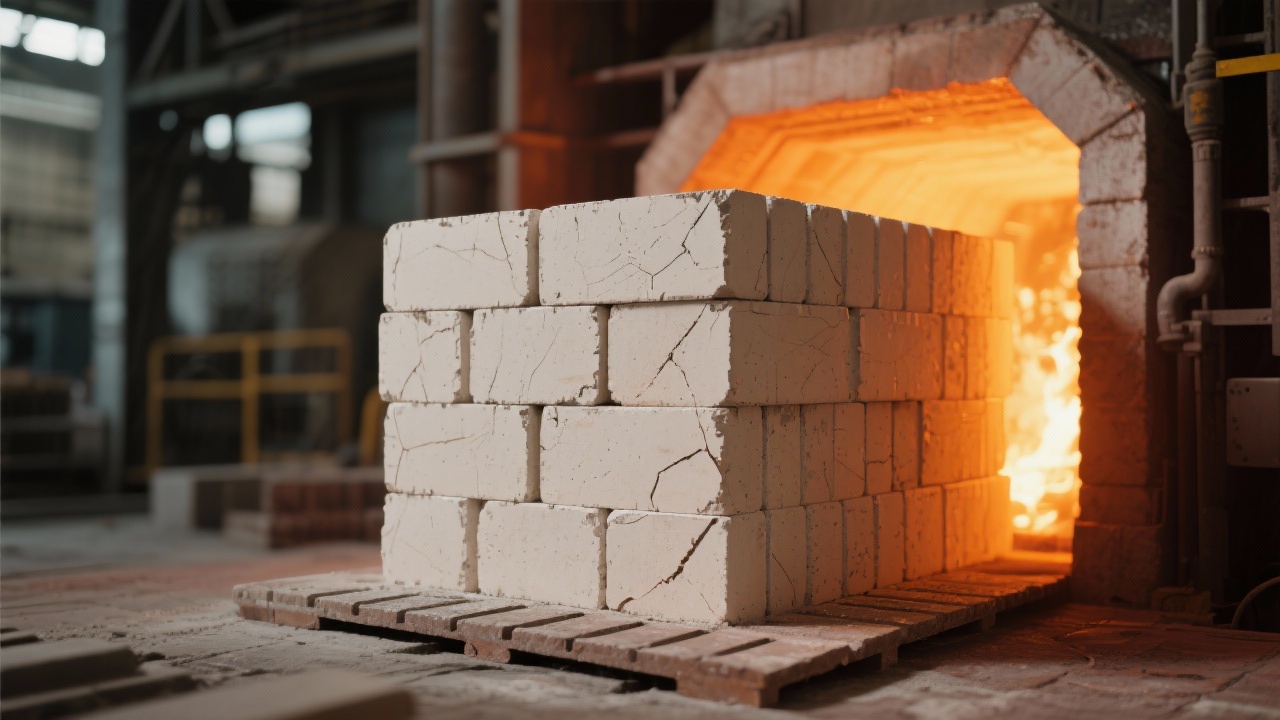
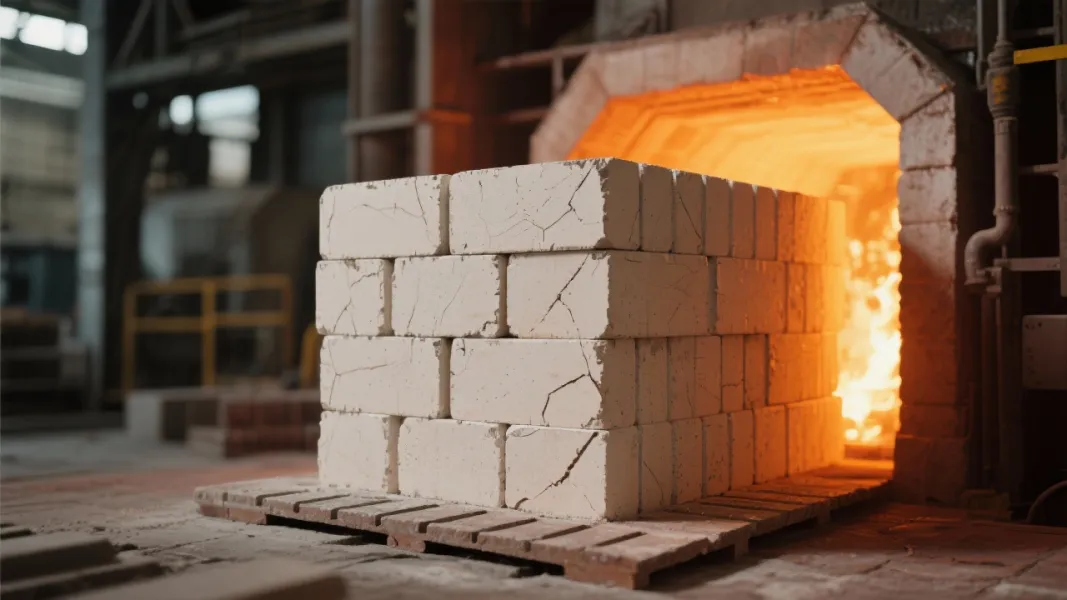
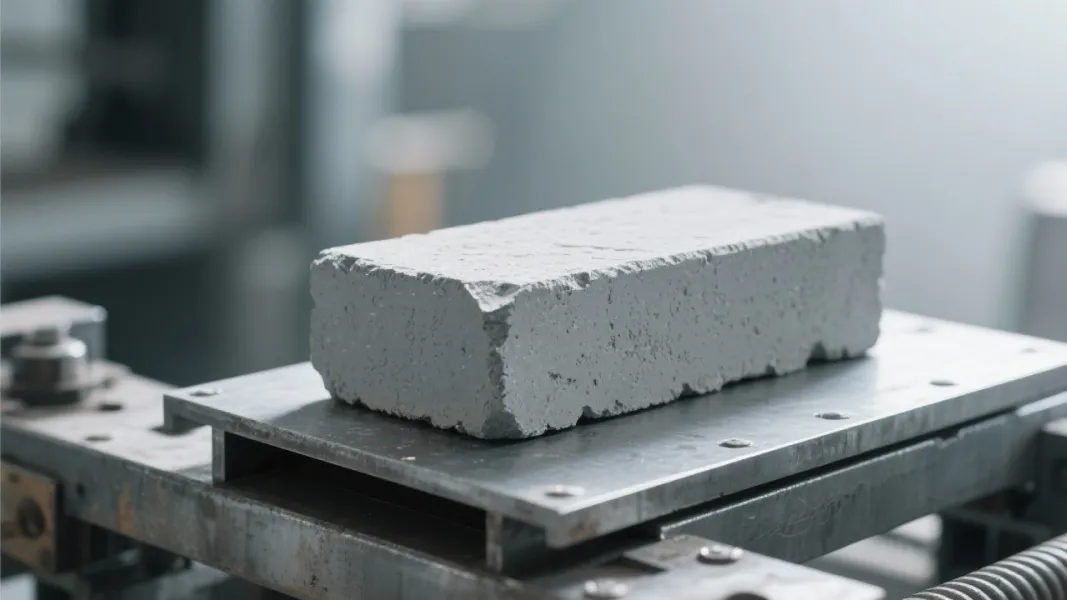
Monitoring thermal shock-induced crack growth, as illustrated below, informs predictive maintenance scheduling and furnace operation adjustments, reducing unexpected downtime and repair costs.
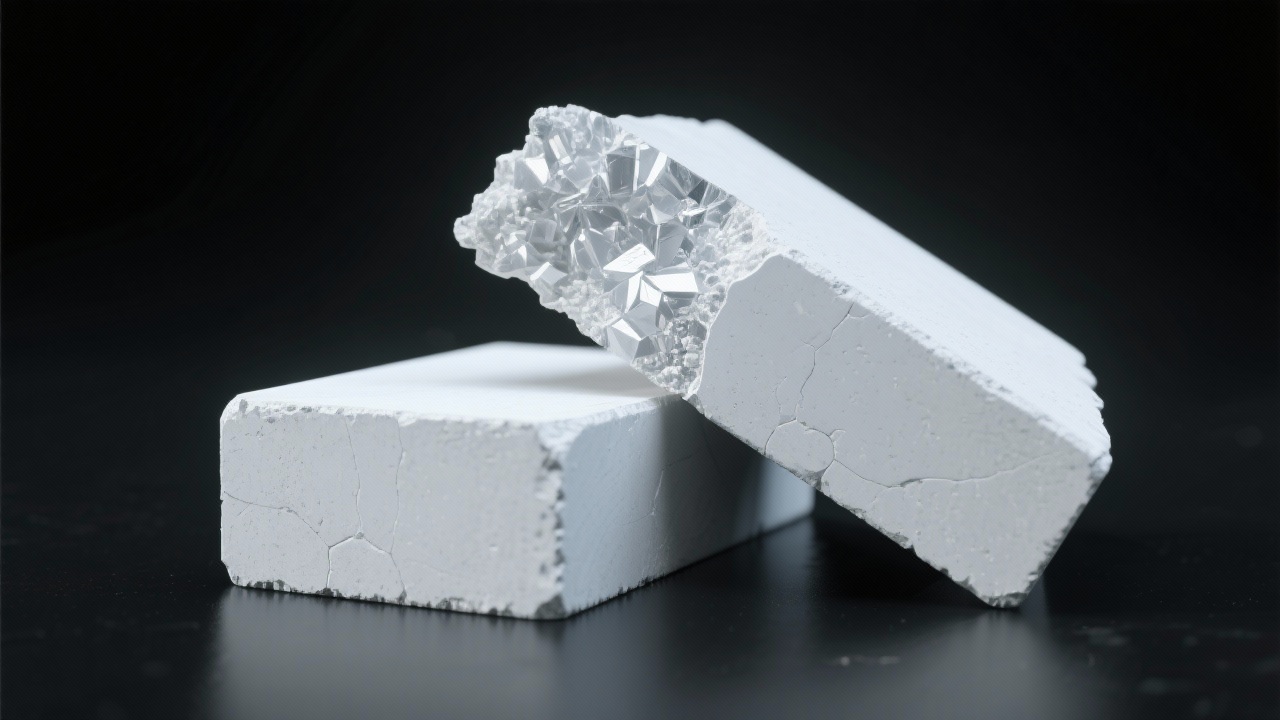
Adhering strictly to ISO and ASTM thermal shock testing protocols ensures material batches meet rigorous quality benchmarks. This verification reduces procurement risks posed by inconsistent manufacturer data or substandard production practices. It also facilitates international acceptance, vital for global trade of refractory products.
Users should engage suppliers who transparently provide detailed test reports aligned with these standards, including measured porosity, alumina content, test cycles, and residual strength metrics.
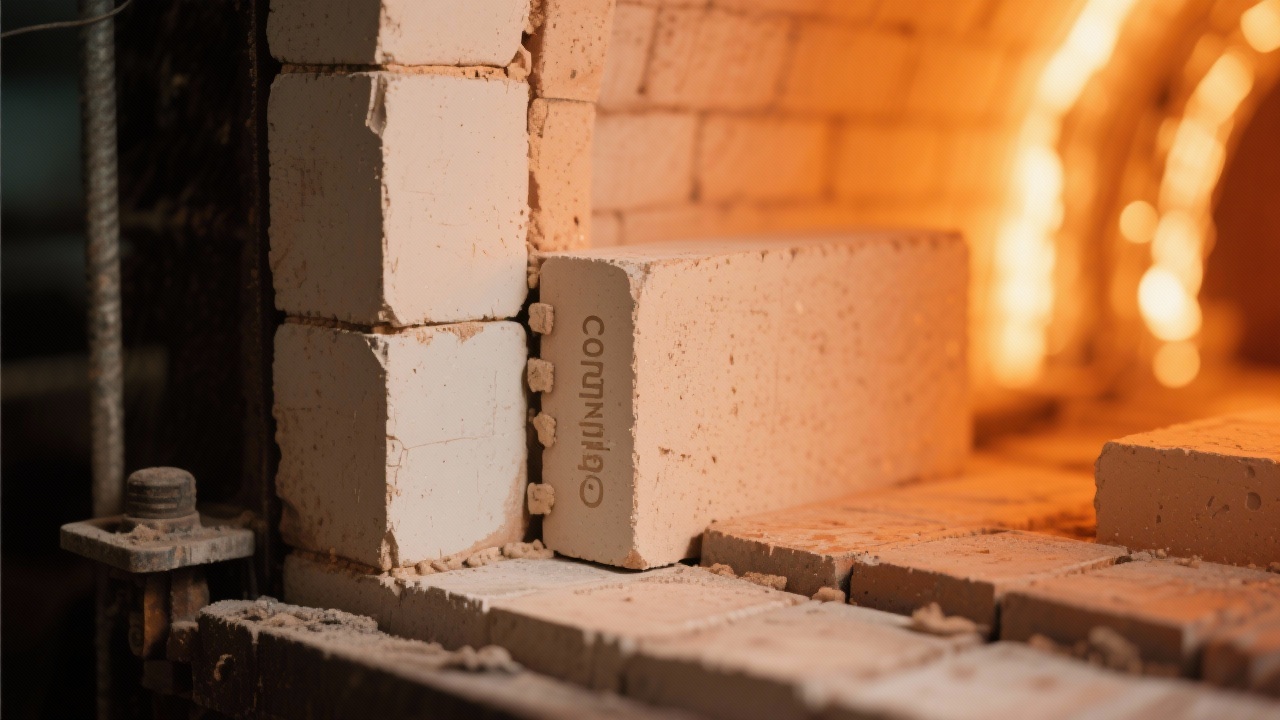
Applying insights from thermal shock testing results, operators can tailor refractory material inventories to specific furnace environments, balancing upfront cost with expected durability. Predictive replacement schedules based on documented crack growth rates minimize operational disruptions.
Furthermore, incorporating thermal shock data into furnace operation protocols—such as controlled heating and cooling ramps where feasible—extends refractory service life significantly.
 427
|
427
|
 high alumina fireclay brick
hot blast stove lining
refractory brick installation
thermal shock resistant brick
refractory material maintenance
high alumina fireclay brick
hot blast stove lining
refractory brick installation
thermal shock resistant brick
refractory material maintenance
 141
|
Corundum refractory bricks
High alumina content
Refractoriness of 1700°C
Wear resistance
Sintering and melting processes
141
|
Corundum refractory bricks
High alumina content
Refractoriness of 1700°C
Wear resistance
Sintering and melting processes
 314
|
High - alumina refractory bricks
Hot blast stove lining
Thermal shock resistance
Low thermal conductivity
Refractory material application
314
|
High - alumina refractory bricks
Hot blast stove lining
Thermal shock resistance
Low thermal conductivity
Refractory material application
 301
|
industrial furnace refractory brick selection
low porosity refractory bricks
high-temperature refractory materials
thermal shock resistant bricks
refractory material performance comparison
301
|
industrial furnace refractory brick selection
low porosity refractory bricks
high-temperature refractory materials
thermal shock resistant bricks
refractory material performance comparison
 133
|
Corundum refractory bricks
High - temperature corrosion protection
Refractory material applications
Sintered corundum bricks
Fused corundum bricks
133
|
Corundum refractory bricks
High - temperature corrosion protection
Refractory material applications
Sintered corundum bricks
Fused corundum bricks