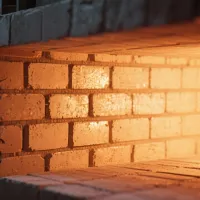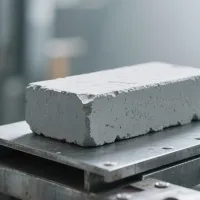
In the high - temperature industrial fields such as metallurgy, glass, and ceramics, choosing the right refractory material is crucial for the efficient and stable operation of equipment. Among them, corundum refractory bricks have attracted much attention due to their excellent performance. This article will comprehensively analyze why corundum refractory bricks can maintain stability at temperatures above 1700°C from the perspectives of raw materials and manufacturing processes.
The high alumina content (>90%) in corundum refractory bricks is the key to its excellent physical and chemical stability. Alumina is a highly stable oxide with high melting point and strong resistance to chemical attack. When the alumina content in the refractory brick exceeds 90%, it forms a continuous and stable matrix structure, which can effectively resist the impact of high - temperature load and chemical corrosion.
The corundum main crystal phase structure in the refractory brick also plays an important role. Corundum has a high - density atomic arrangement and strong chemical bonds, which endows the refractory brick with high hardness, wear resistance, and thermal stability. The synergistic effect of high alumina content and corundum main crystal phase structure makes the corundum refractory brick able to maintain its shape and performance at extremely high temperatures.
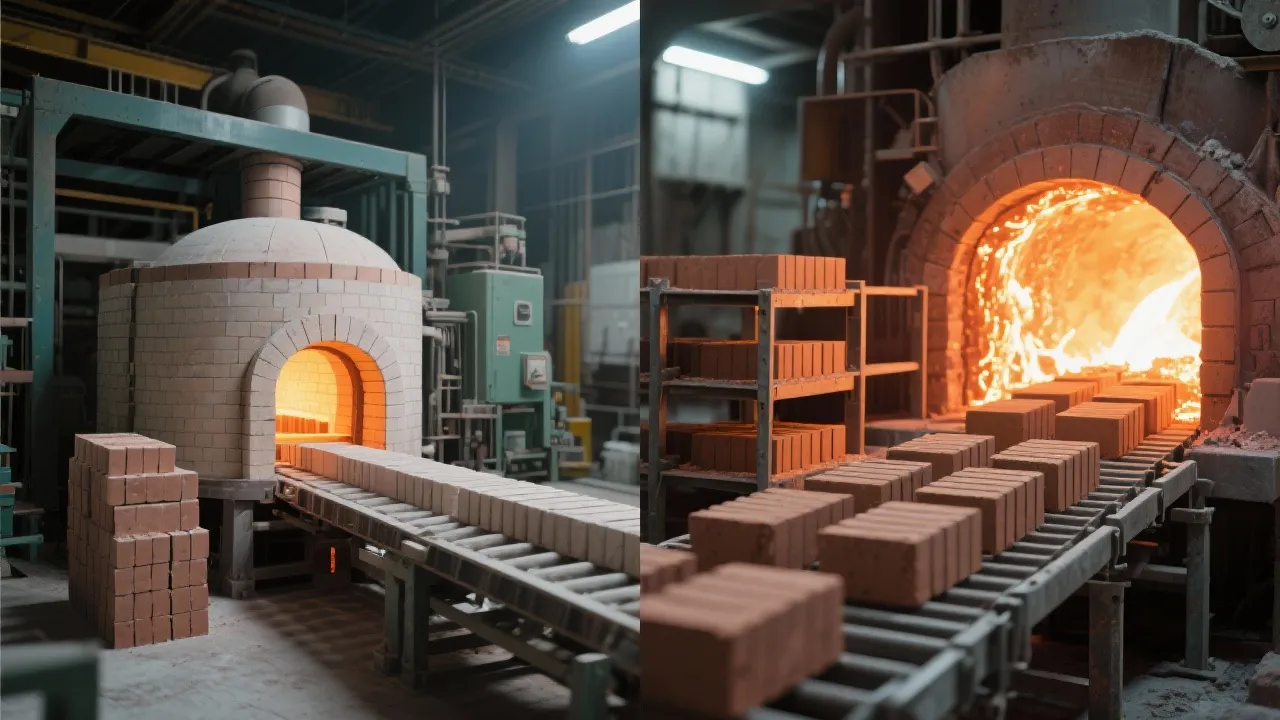
There are two main manufacturing processes for corundum refractory bricks: sintering and melting. These two processes have significant differences in the microstructure, density, and thermal shock stability of the refractory bricks, which also determine their different performance characteristics and application scenarios.
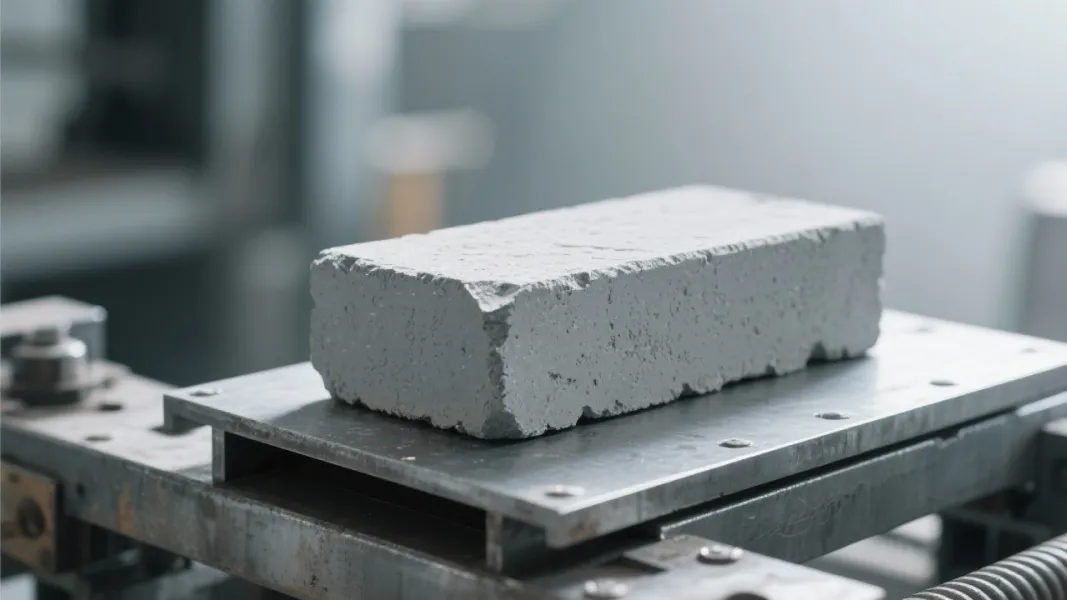
Sintered corundum bricks are made by pressing raw materials into shape and then sintering them at high temperature. This process results in a porous microstructure, which gives the refractory brick good thermal shock stability. The porous structure can absorb and release thermal stress during the heating and cooling process, reducing the risk of cracking. Sintered corundum bricks are suitable for applications where thermal shock resistance is required, such as in glass melting furnaces with frequent temperature changes.
Fused corundum bricks are produced by melting raw materials at high temperature and then casting them into shape. This process results in a dense microstructure with high density and hardness. Fused corundum bricks have excellent wear resistance and corrosion resistance, and are suitable for applications where high - strength and corrosion - resistant materials are required, such as in metallurgical furnaces with severe slag erosion.
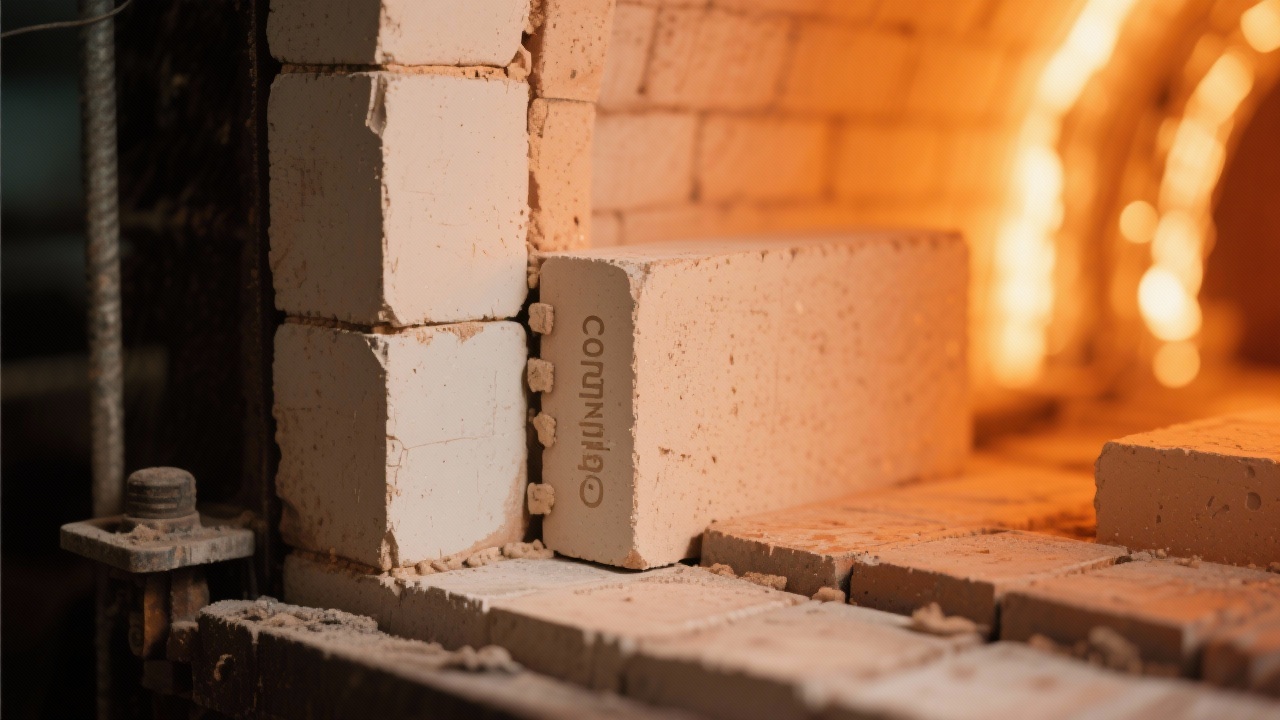
In the metallurgical, glass, and ceramic industries, corundum refractory bricks have shown excellent performance. For example, in a metallurgical furnace, the high wear resistance and corrosion resistance of corundum refractory bricks can effectively resist the erosion of slag, reducing the frequency of brick replacement and extending the service life of the furnace. In a glass melting furnace, the good thermal shock stability of sintered corundum bricks can reduce the risk of cracking, thus reducing the downtime of the furnace and improving production efficiency.
According to industry reports, using corundum refractory bricks can reduce the downtime of the furnace by up to 30%, which significantly reduces the maintenance cost and improves the overall economic efficiency of the enterprise. The high - temperature resistance and stability of corundum refractory bricks also help enterprises achieve energy - saving and emission - reduction goals, making the production process more environmentally friendly and sustainable.

Corundum refractory bricks, with their high alumina content, unique corundum main crystal phase structure, and different manufacturing processes, have excellent high - temperature resistance, wear resistance, and corrosion resistance. Whether it is sintered corundum bricks or fused corundum bricks, they can provide effective solutions for different industrial application scenarios. If you are a procurement decision - maker, engineer, or maintenance personnel, choosing the right corundum refractory brick can help you improve the competitiveness of your enterprise and achieve efficient and energy - saving operation.
Ready to enhance your equipment's performance with high - quality corundum refractory bricks? Click here to get further selection advice and technical whitepapers!
 483
|
483
|
 fused alumina brick
sintered alumina brick
glass melting furnace refractory
refractory brick selection
high-temperature refractory material
fused alumina brick
sintered alumina brick
glass melting furnace refractory
refractory brick selection
high-temperature refractory material
 244
|
corundum refractory bricks
high temperature corrosion resistant materials
alumina refractory bricks
refractory brick manufacturing process
refractory brick applications
244
|
corundum refractory bricks
high temperature corrosion resistant materials
alumina refractory bricks
refractory brick manufacturing process
refractory brick applications
 278
|
Corundum refractory bricks
High alumina refractory materials
High temperature and corrosion resistant refractory bricks
Sintering and melting processes
Refractory brick application cases
190
|
corundum refractory brick
high alumina refractory
fused vs sintered refractory
wear resistant refractory
ceramic industry refractory
278
|
Corundum refractory bricks
High alumina refractory materials
High temperature and corrosion resistant refractory bricks
Sintering and melting processes
Refractory brick application cases
190
|
corundum refractory brick
high alumina refractory
fused vs sintered refractory
wear resistant refractory
ceramic industry refractory
 133
|
Corundum refractory bricks
High - temperature corrosion protection
Refractory material applications
Sintered corundum bricks
Fused corundum bricks
133
|
Corundum refractory bricks
High - temperature corrosion protection
Refractory material applications
Sintered corundum bricks
Fused corundum bricks