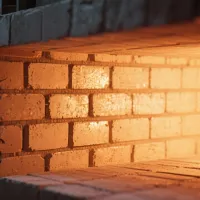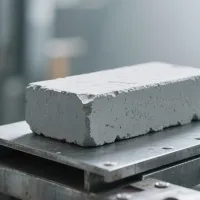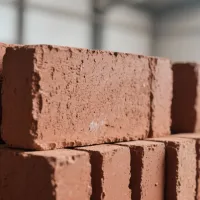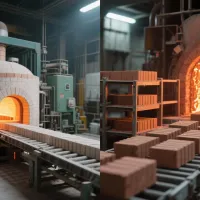
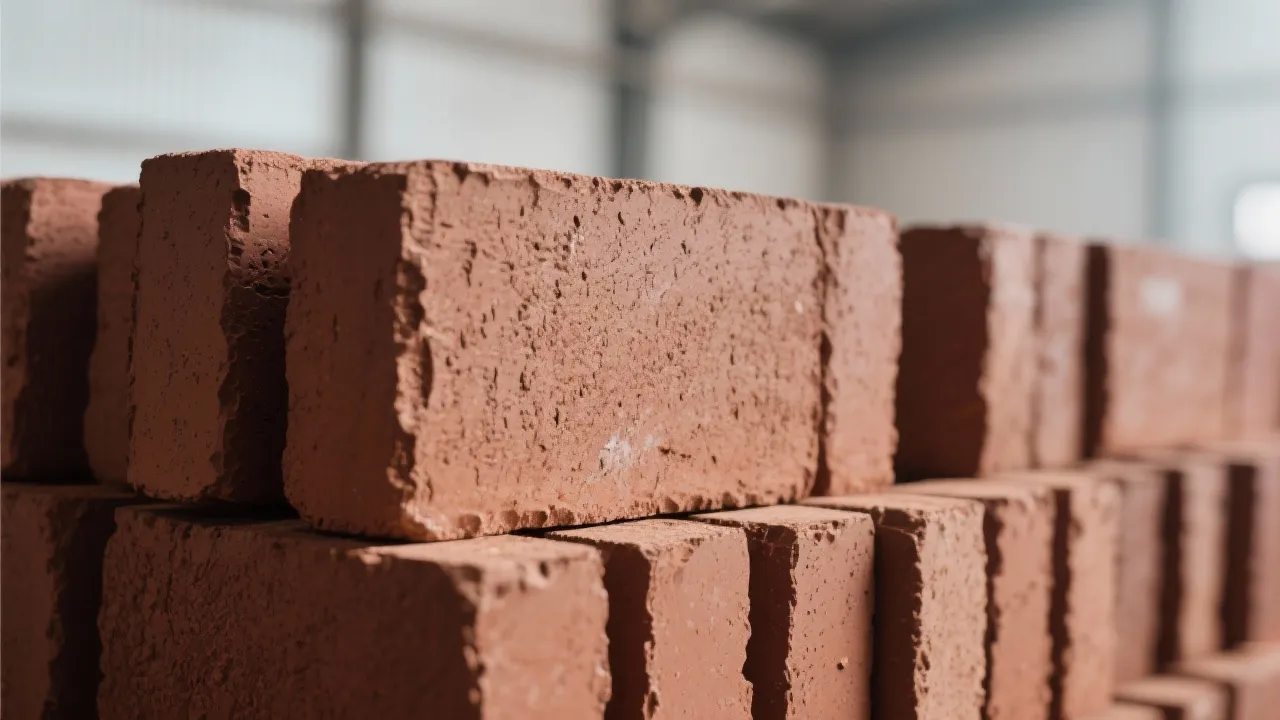
Selecting high-performance refractory materials is paramount for the stable and efficient operation of electric arc furnaces (EAFs). Among these materials, sintered magnesia carbon bricks have emerged as a top choice due to their superior heat resistance and chemical stability. This article delves into three critical performance advantages of sintered magnesia carbon bricks—high refractoriness, excellent alkali slag resistance, and outstanding thermal conductivity—while highlighting the innovation of antioxidant additives that enhance thermal shock resistance. Supported by regional magnesite resources and real-world industrial applications, the insights provided here aim to empower technical specialists and procurement professionals in making informed material selections.
Refractory materials for EAF linings must withstand extreme operating temperatures exceeding 1700°C, frequent thermal cycling, and corrosive slags. The core technical requirements include:
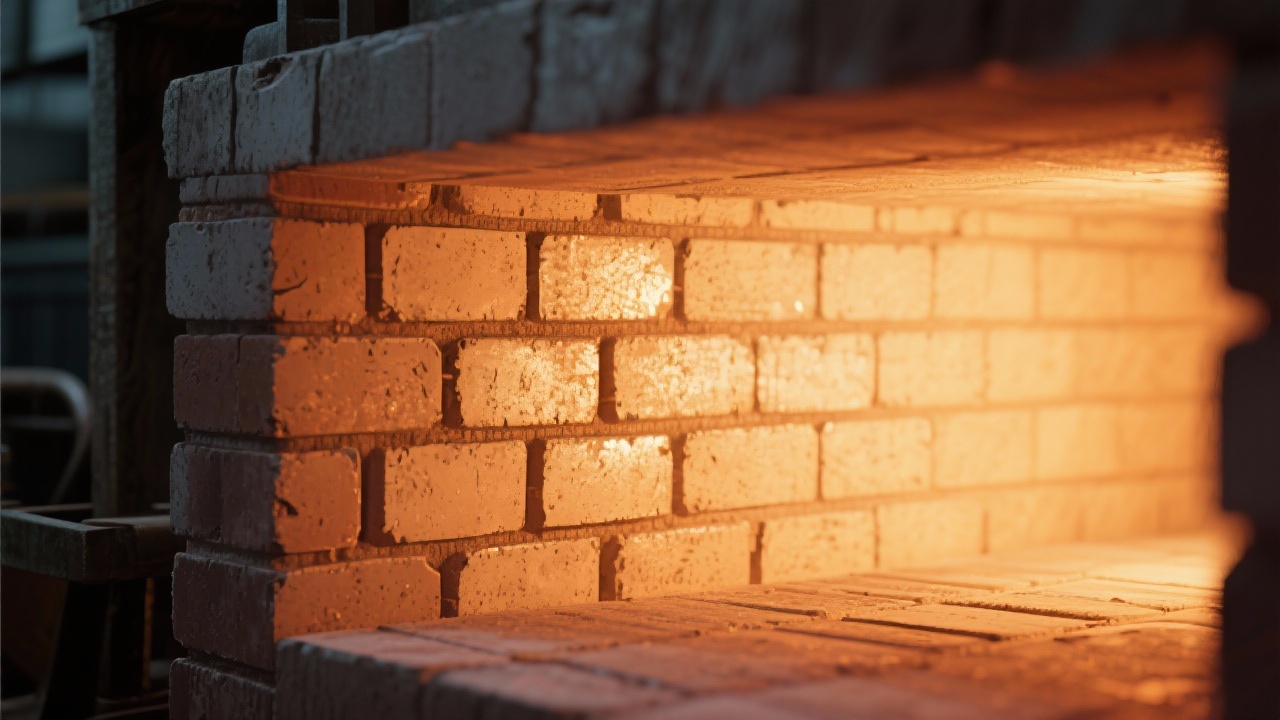
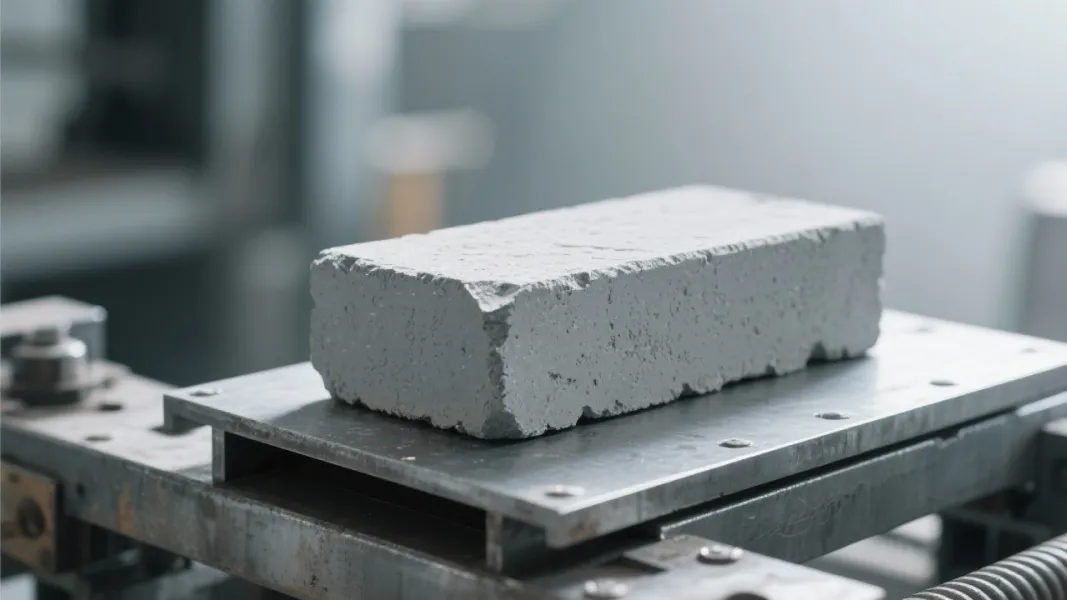
Sintered magnesia carbon bricks consist primarily of high-purity magnesia (MgO) and carbon black, bonded through a sintering process that creates a dense, inorganic matrix. Incorporating advanced antioxidant additives—such as fine nickel or zinc-based compounds—significantly inhibits carbon oxidation at high temperatures. This technical breakthrough enhances the bricks' resistance to thermal shock, enabling them to endure up to 30% more thermal cycles before degradation compared to conventional formulations.
The antioxidant additives form a protective layer within the microstructure, effectively slowing the oxidation rate of carbon components. This improvement can reduce maintenance downtime and optimize furnace availability.
The availability of abundant, high-grade magnesite deposits in our region underpins the consistent quality and supply stability of sintered magnesia carbon bricks. Utilizing locally sourced raw materials:
A leading steel producer integrated our sintered magnesia carbon bricks into the hearth and lower wall linings of their 100-ton EAF units. Over a 12-month operational period:
Feedback from the plant’s technical team highlighted the bricks’ stability under fluctuating power inputs and variable slag chemistry, underscoring their robustness in real operation conditions.
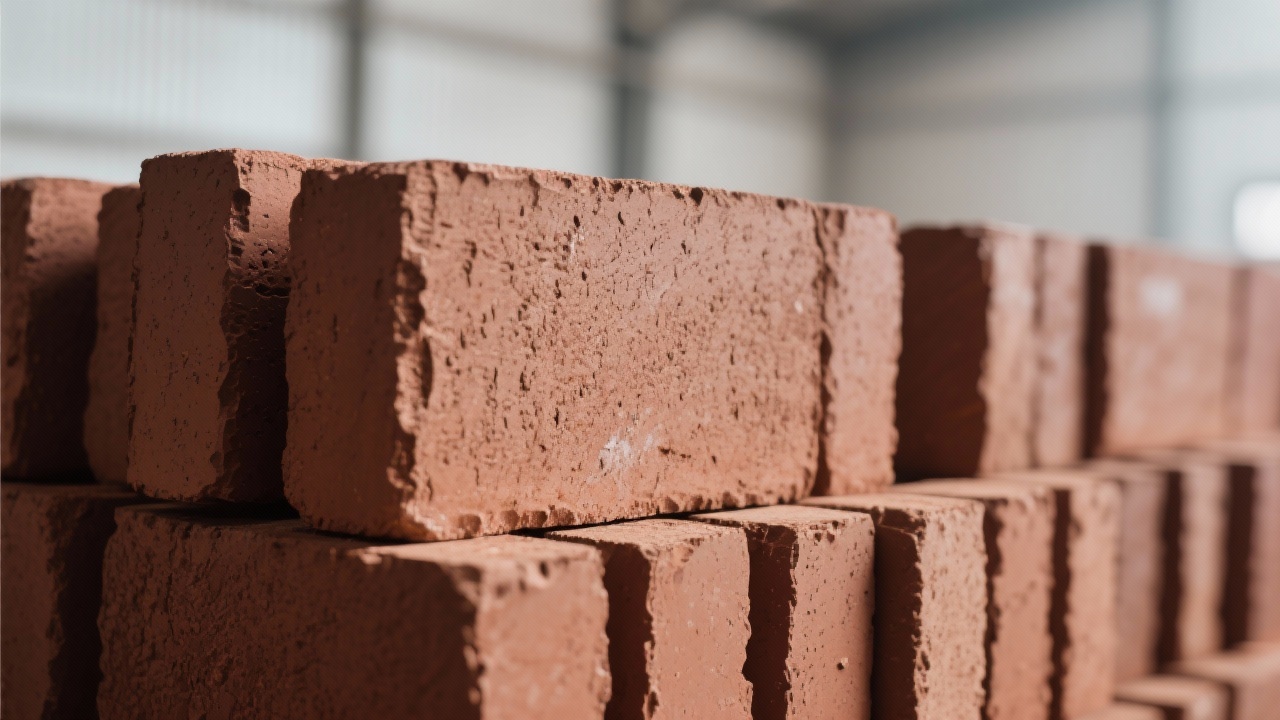
Beyond product quality, our company emphasizes customer-centric support with:
“The inclusion of advanced antioxidants in magnesia carbon bricks marks a significant step forward, ensuring improved thermal shock resistance without compromising mechanical strength. This innovation aligns with evolving demands for longer furnace campaigns and reduced maintenance costs.” — Dr. Jane Smith, Senior Materials Scientist
Our recent technical whitepaper (2023) further details the microstructural analysis and performance metrics, reaffirming the reliability of sintered magnesia carbon bricks in various high-temperature steelmaking environments.
 483
|
483
|
 fused alumina brick
sintered alumina brick
glass melting furnace refractory
refractory brick selection
high-temperature refractory material
fused alumina brick
sintered alumina brick
glass melting furnace refractory
refractory brick selection
high-temperature refractory material
 426
|
Sintered magnesia-carbon bricks
High-temperature industrial furnace refractory lining
Strong alkali environment corrosion
Furnace lining design
High-temperature refractory materials
426
|
Sintered magnesia-carbon bricks
High-temperature industrial furnace refractory lining
Strong alkali environment corrosion
Furnace lining design
High-temperature refractory materials
 141
|
Corundum refractory bricks
High alumina content
Refractoriness of 1700°C
Wear resistance
Sintering and melting processes
38
|
high alumina fire clay brick
industrial furnace lining
refractory material technology
thermal shock resistant brick
custom refractory solution
141
|
Corundum refractory bricks
High alumina content
Refractoriness of 1700°C
Wear resistance
Sintering and melting processes
38
|
high alumina fire clay brick
industrial furnace lining
refractory material technology
thermal shock resistant brick
custom refractory solution
 390
|
high alumina fireclay brick
mechanical cutting process
spherical pore structure
industrial furnace refractory
refractory brick manufacturing
390
|
high alumina fireclay brick
mechanical cutting process
spherical pore structure
industrial furnace refractory
refractory brick manufacturing