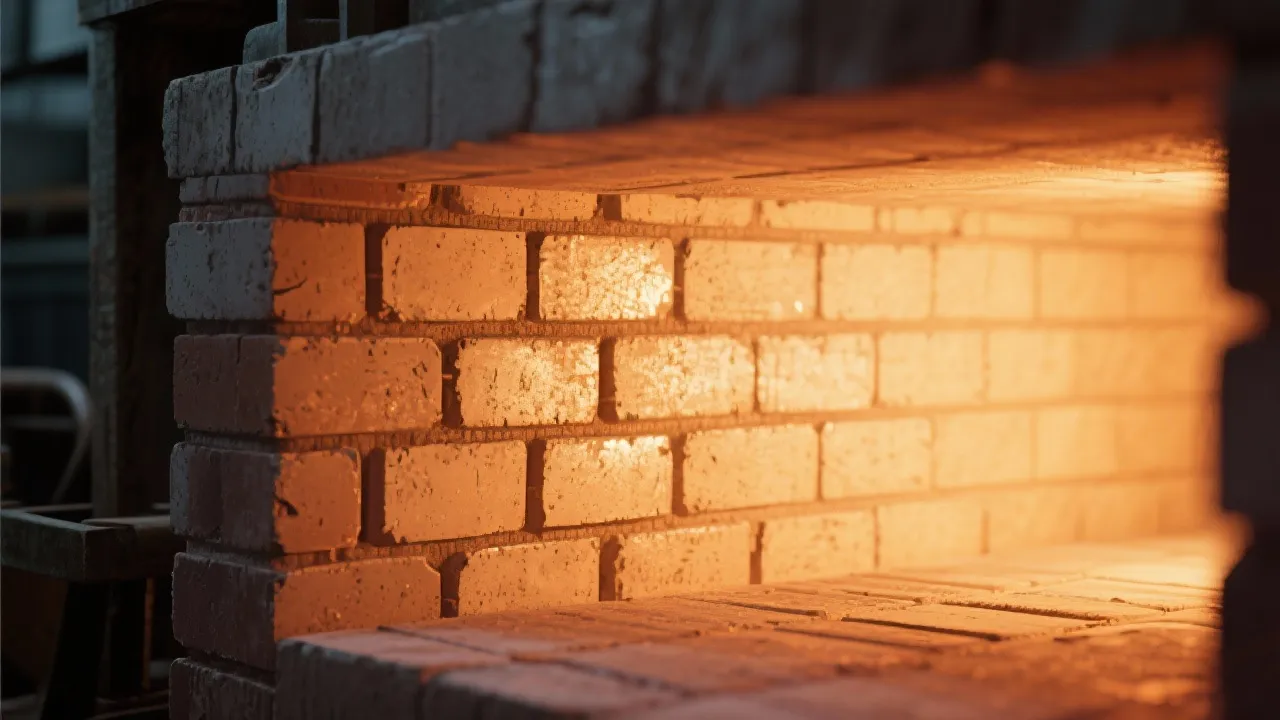
In the realm of high-temperature industrial processes, the reliability and efficiency of furnace linings directly impact operational safety, maintenance costs, and overall productivity. Among the critical components ensuring optimal furnace performance, sintered magnesia carbon (MgO-C) bricks stand out as a material of choice for extreme thermal environments. This comprehensive guide explores the material science, performance characteristics, and application strategies of sintered MgO-C bricks, offering practical insights for engineers and technical decision-makers seeking to optimize furnace lining design.
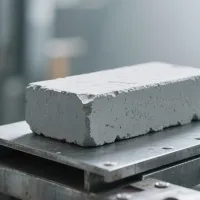
Sintered MgO-C bricks represent a sophisticated blend of high-purity magnesia (MgO) aggregates and carbonaceous materials, typically graphite, bonded together through advanced manufacturing processes. The unique synergy between these components results in a material that combines exceptional refractoriness with remarkable thermal shock resistance—two critical properties for high-temperature industrial applications.
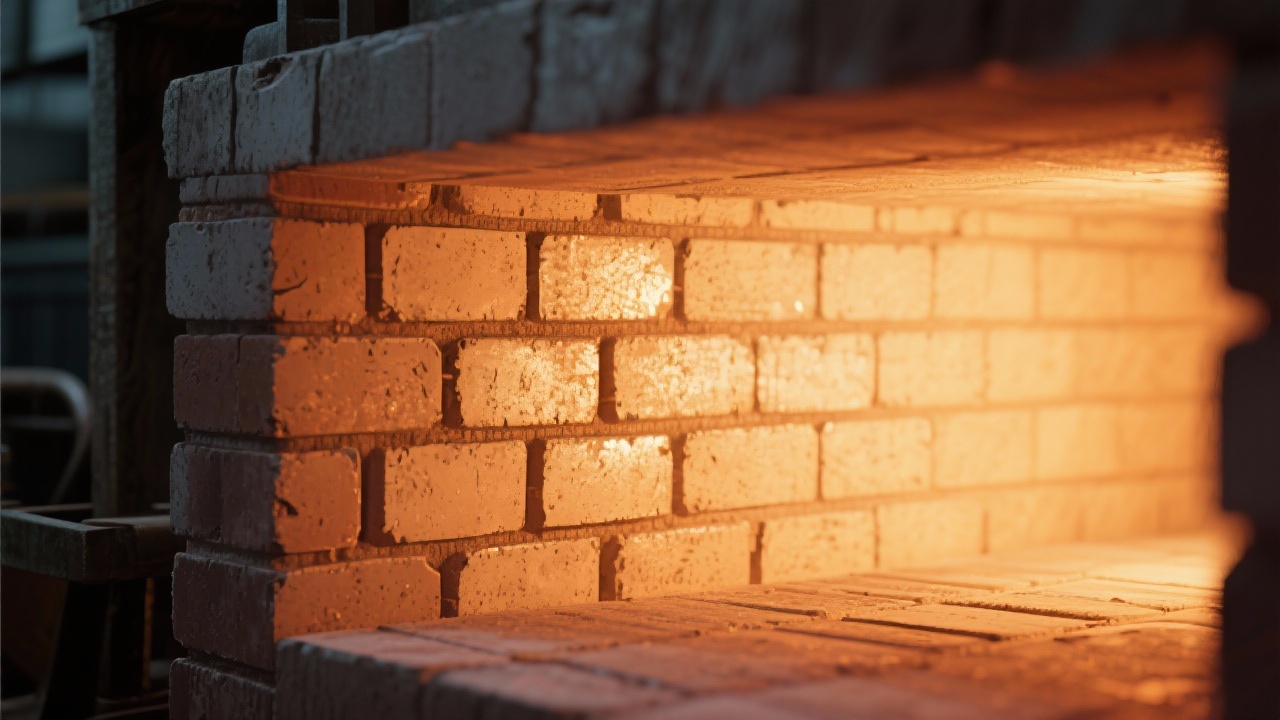
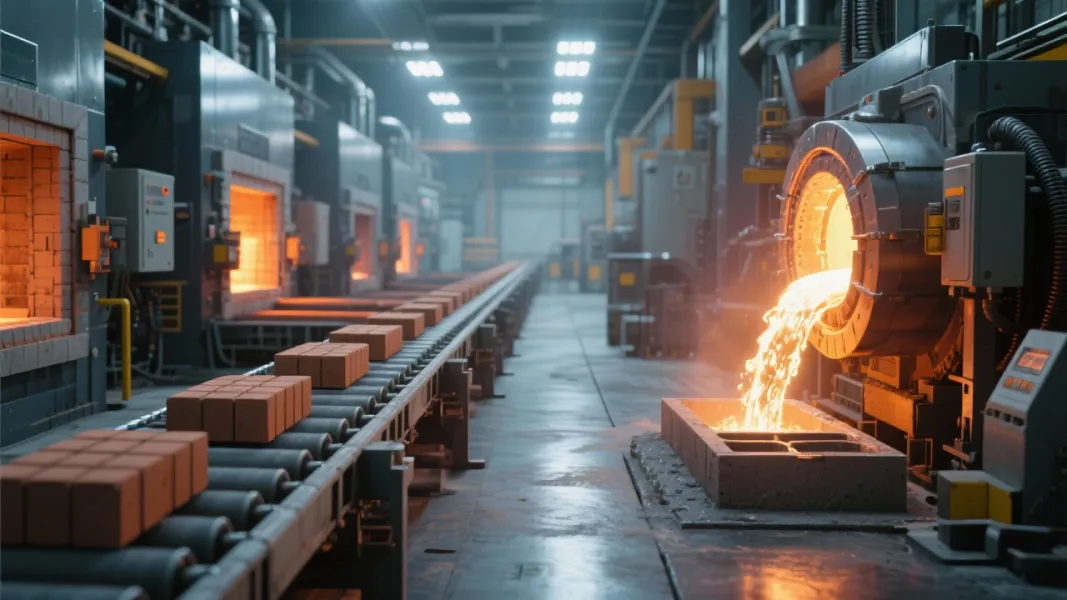
The manufacturing process of sintered MgO-C bricks involves precise control over raw material selection, mixing, forming, and heat treatment—each step significantly influencing final performance. Modern production facilities employ computer-controlled mixing systems to ensure homogeneous distribution of components, followed by high-pressure pressing (150-300 MPa) to achieve optimal density before sintering.
During sintering, temperatures ranging from 1400°C to 1600°C in reducing atmospheres promote the formation of ceramic bonds and carbon networks that give the material its unique properties. This process results in a product with bulk density typically between 2.8-3.2 g/cm³ and cold crushing strength exceeding 60 MPa, ensuring structural stability under extreme conditions.
Sintered MgO-C bricks offer a compelling combination of properties that address the most challenging aspects of industrial furnace operation:
The material's low thermal expansion coefficient (4.5-5.5 × 10⁻⁶/°C) and high thermal conductivity minimize thermal stress accumulation during rapid temperature changes, a critical advantage in cyclic operation furnaces.
Exceptional resistance to basic slags (CaO/SiO₂ ratio >1) makes these bricks ideal for steelmaking applications, where molten metal and slag contact would rapidly degrade conventional refractories.
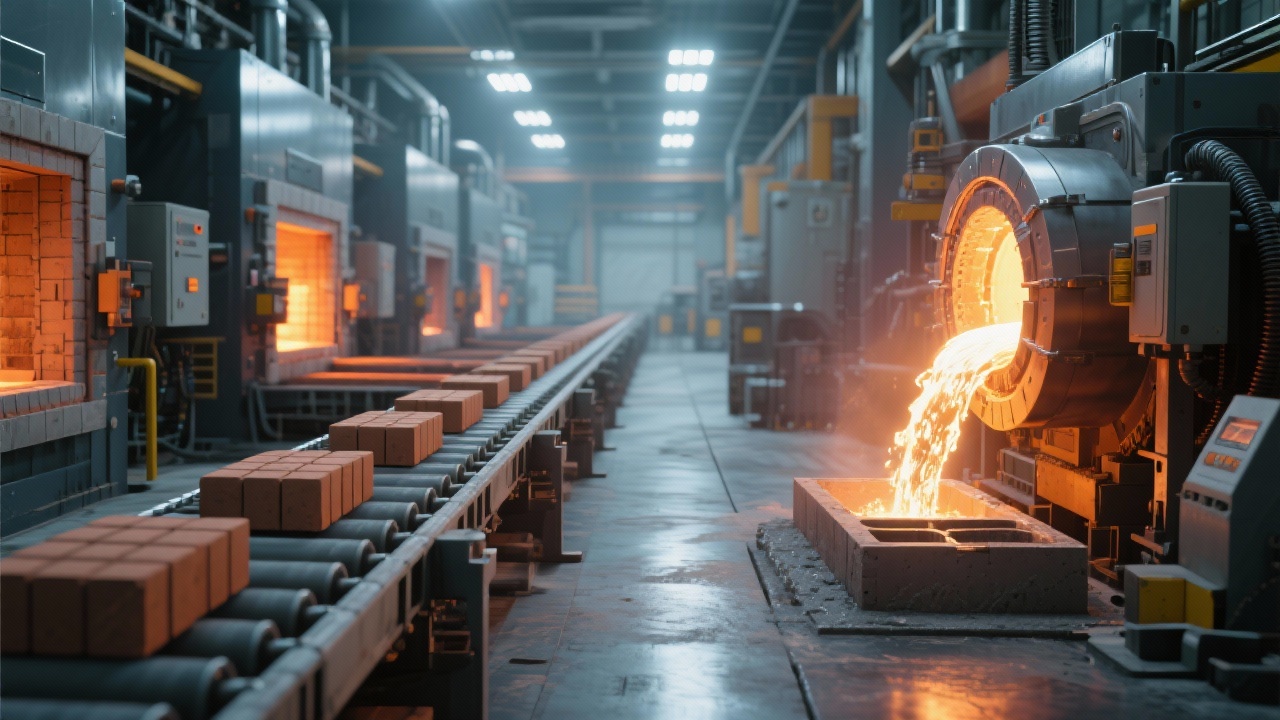
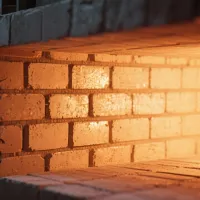
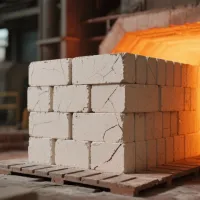
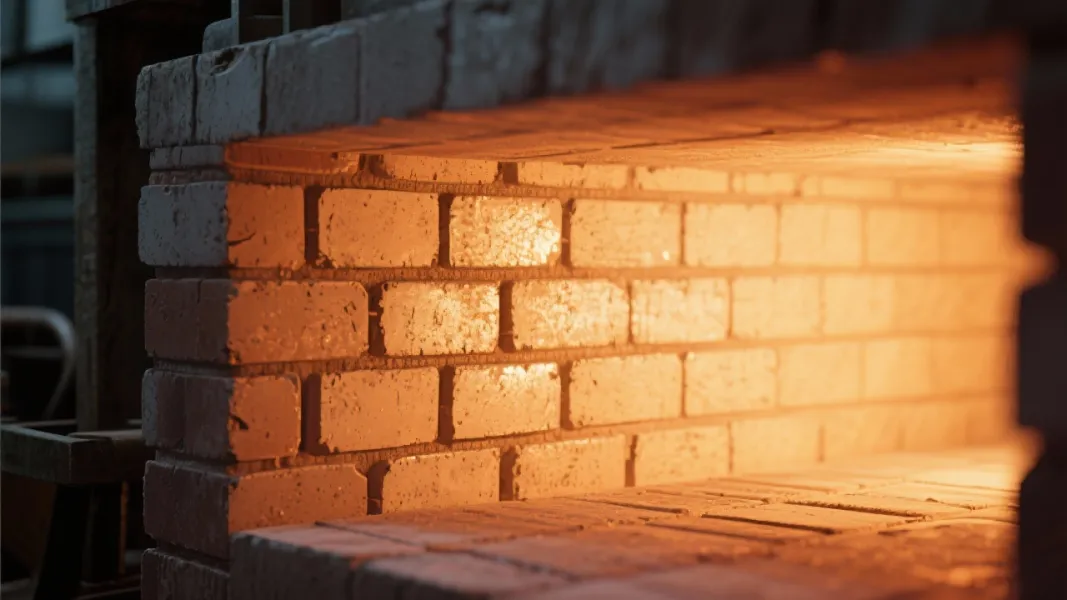
In electric arc furnace (EAF) applications, where temperatures can exceed 1650°C and thermal cycling is severe, sintered MgO-C bricks have revolutionized lining performance. A comparative study across 12 steel plants in Europe demonstrated that transitioning from conventional magnesia bricks to high-quality MgO-C linings resulted in an average increase in campaign life of 42%, with some installations achieving over 300 heats between relining.
The key to this performance improvement lies in the material's ability to withstand both the extreme temperatures of the arc zone and the chemical attack from steelmaking slags. By optimizing brick composition—particularly graphite content and bond technology—manufacturers have developed specialized MgO-C formulations for different furnace zones, from the high-wear sidewalls to the ultra-high-temperature taphole areas.
While sintered MgO-C bricks offer significant performance advantages, successful implementation requires careful attention to design details and material selection. One common mistake is assuming a "one-size-fits-all" approach to brick selection across different furnace zones. In reality, optimizing lining performance requires matching brick properties to specific service conditions.
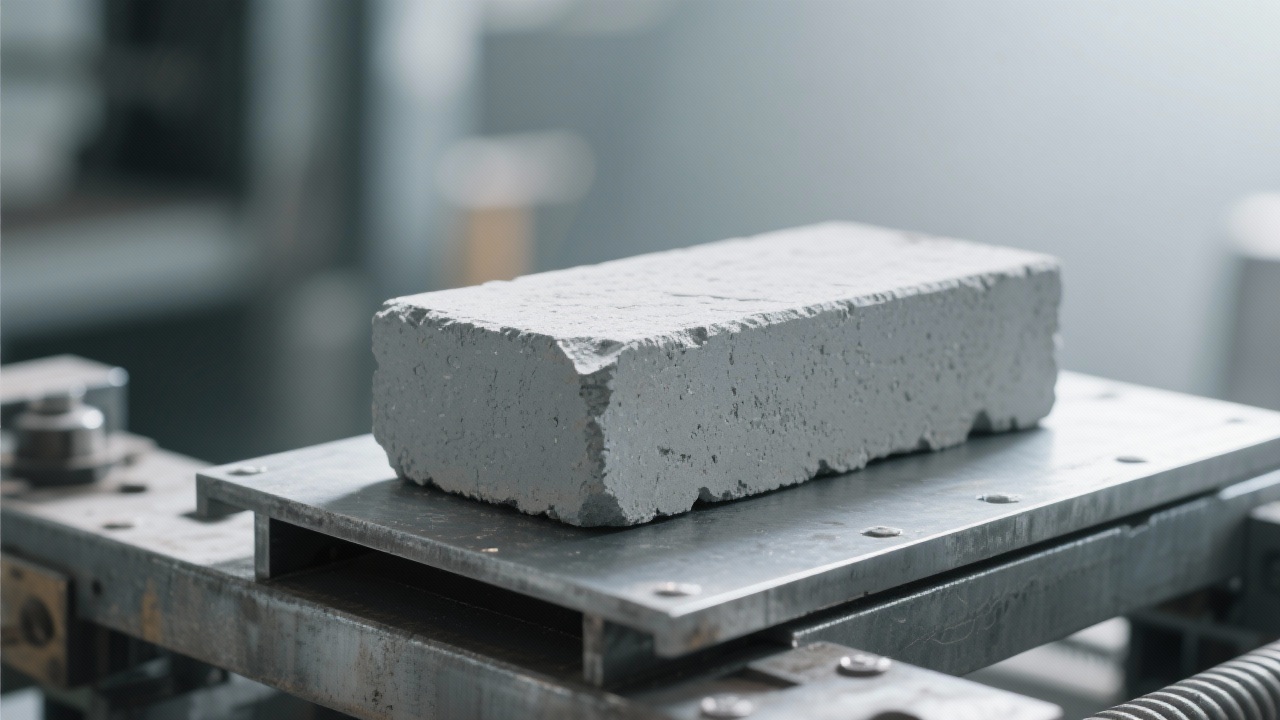
Selecting the right MgO-C brick formulation requires balancing multiple factors, including operating temperature, slag chemistry, thermal cycling frequency, and economic considerations. For instance, high-graphite content bricks (15-20%) offer superior thermal shock resistance but may be over-specified for moderate-temperature applications, increasing costs unnecessarily.
Conversely, low-graphite formulations (5-10%) provide excellent structural stability and chemical resistance at a lower cost point, making them suitable for less severe service conditions. Recent innovations in additive technology have also expanded the performance envelope of these materials, with new boron and aluminum-based additives improving oxidation resistance by up to 35% compared to traditional formulations.
Download our exclusive Refractory Lining Design Checklist to ensure your next furnace reline project achieves maximum performance and cost efficiency.
Get Your Free Checklist NowAs industrial processes continue to push temperature and productivity boundaries, the role of advanced refractory materials like sintered MgO-C bricks becomes increasingly critical. By understanding the material science behind these products and implementing proper design and installation practices, engineers can significantly extend furnace campaign life, reduce maintenance costs, and improve overall operational efficiency.
What challenges have you encountered with furnace lining performance in your operations? Share your experiences and questions in the comments below—our technical team regularly engages with industry professionals to address real-world refractory challenges.
 115
|
115
|
 corundum refractory bricks
sintered vs fused process
refractory materials performance comparison
high-temperature corrosion resistance
refractory brick selection guide
corundum refractory bricks
sintered vs fused process
refractory materials performance comparison
high-temperature corrosion resistance
refractory brick selection guide
 278
|
Corundum refractory bricks
High alumina refractory materials
High temperature and corrosion resistant refractory bricks
Sintering and melting processes
Refractory brick application cases
278
|
Corundum refractory bricks
High alumina refractory materials
High temperature and corrosion resistant refractory bricks
Sintering and melting processes
Refractory brick application cases
 190
|
corundum refractory brick
high alumina refractory
fused vs sintered refractory
wear resistant refractory
ceramic industry refractory
190
|
corundum refractory brick
high alumina refractory
fused vs sintered refractory
wear resistant refractory
ceramic industry refractory
 310
|
high alumina fire clay brick
high density refractory brick
industrial furnace lining
thermal shock resistant brick
custom refractory solutions
310
|
high alumina fire clay brick
high density refractory brick
industrial furnace lining
thermal shock resistant brick
custom refractory solutions
 410
|
High - alumina refractory clay bricks
Low thermal conductivity
Thermal shock resistance
Glass furnace lining
Wear - and corrosion - resistant refractory bricks
410
|
High - alumina refractory clay bricks
Low thermal conductivity
Thermal shock resistance
Glass furnace lining
Wear - and corrosion - resistant refractory bricks