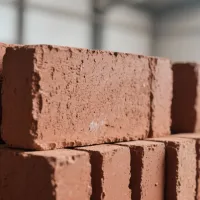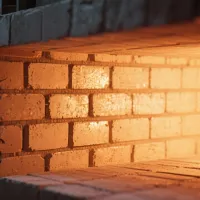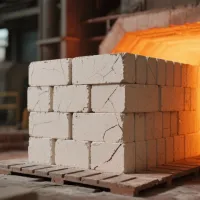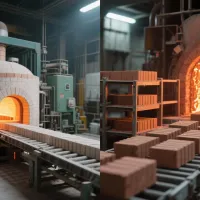
In the demanding environment of high-temperature industrial furnaces, where temperatures can exceed 1,800°C and chemical corrosion is constant, the performance of refractory linings directly impacts operational efficiency, safety, and profitability. Recent industry studies indicate that approximately 42% of unplanned furnace downtime can be attributed to premature refractory failure, resulting in average production losses of $250,000 per day for mid-sized steel facilities.
Among the various refractory solutions available, sintered magnesia-carbon (MgO-C) bricks have emerged as a superior choice for critical furnace zones. Their unique combination of high thermal conductivity, excellent thermal shock resistance, and superior corrosion resistance makes them particularly valuable in electric arc furnaces (EAF), ladles, and converters where molten metal contact and extreme temperature fluctuations are common.
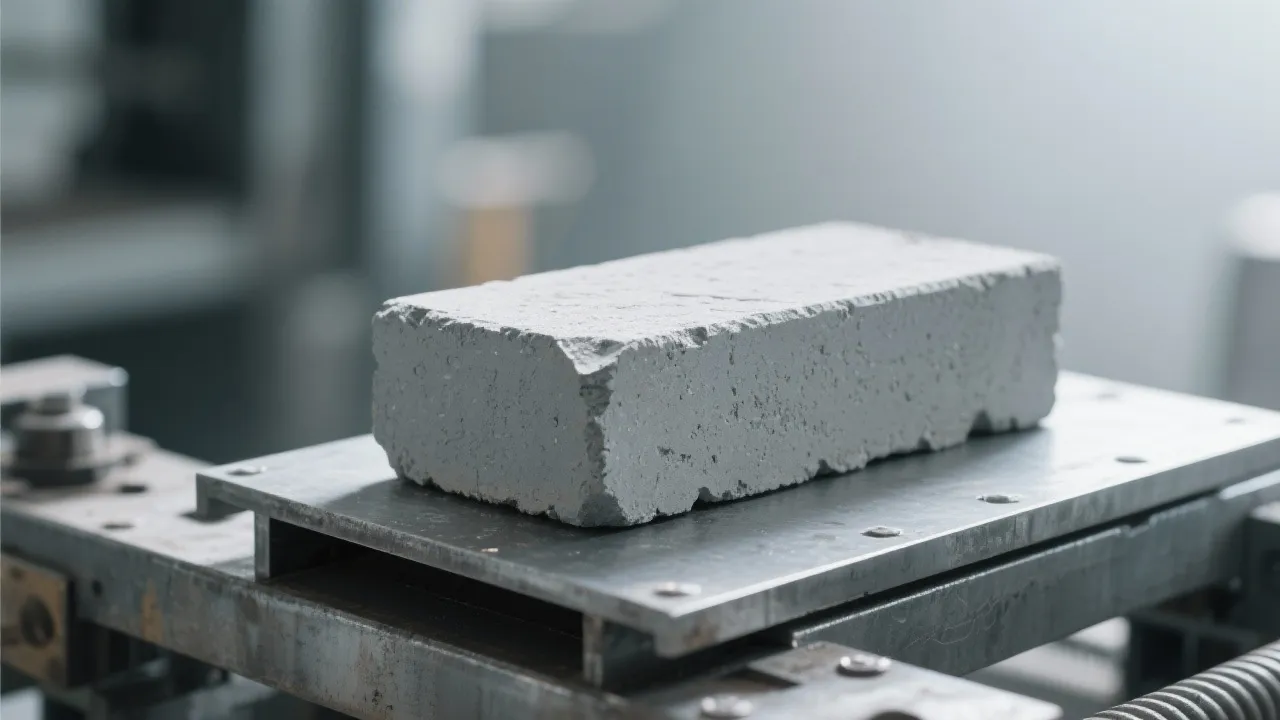
Sintered magnesia-carbon bricks consist primarily of high-purity magnesia (MgO) aggregates bonded with carbon, typically graphite, and a phenolic resin binder system. The optimal composition varies by application but generally ranges from 70-90% magnesia content with 5-20% carbon addition.
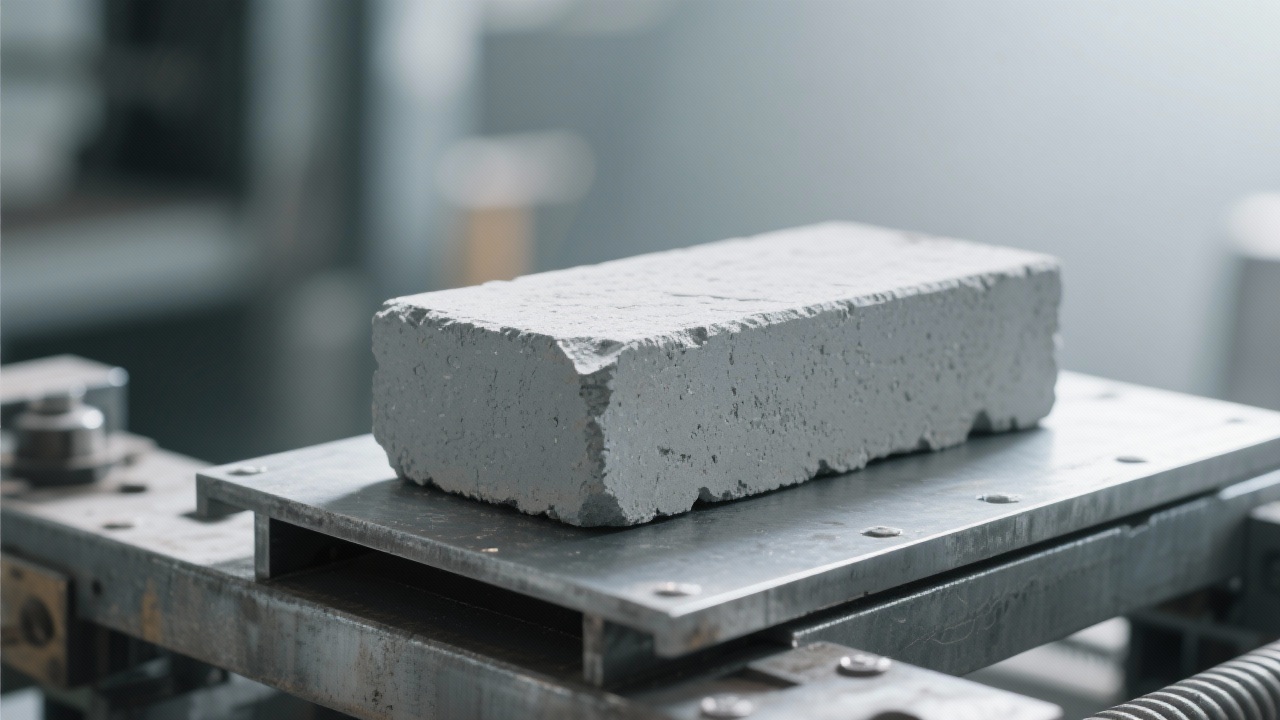
The magnesia component provides high refractoriness (melting point ~2800°C) and resistance to basic slags, while carbon imparts low thermal expansion, high thermal conductivity (typically 20-40 W/m·K), and excellent thermal shock resistance. Modern formulations often include additives such as aluminum, silicon, or boron carbide to improve oxidation resistance and bonding strength.
Controlling thermal conductivity is crucial for energy efficiency and lining durability. By adjusting graphite content and particle size distribution, manufacturers can tailor thermal conductivity values between 15-45 W/m·K. This customization allows for optimized heat transfer in different furnace zones, reducing energy consumption by up to 12% in some applications.
In environments with high alkali content, zirconia additions (3-5%) have proven effective in forming a protective barrier against alkali penetration. Field tests show this modification can extend brick life by 30-40% in alkali-rich slag conditions compared to standard formulations.
Thermal shock resistance, measured by the number of cycles to failure at 1100°C water quench, is another critical parameter. Advanced MgO-C bricks typically achieve 25-35 cycles, significantly outperforming other refractory materials in similar applications.
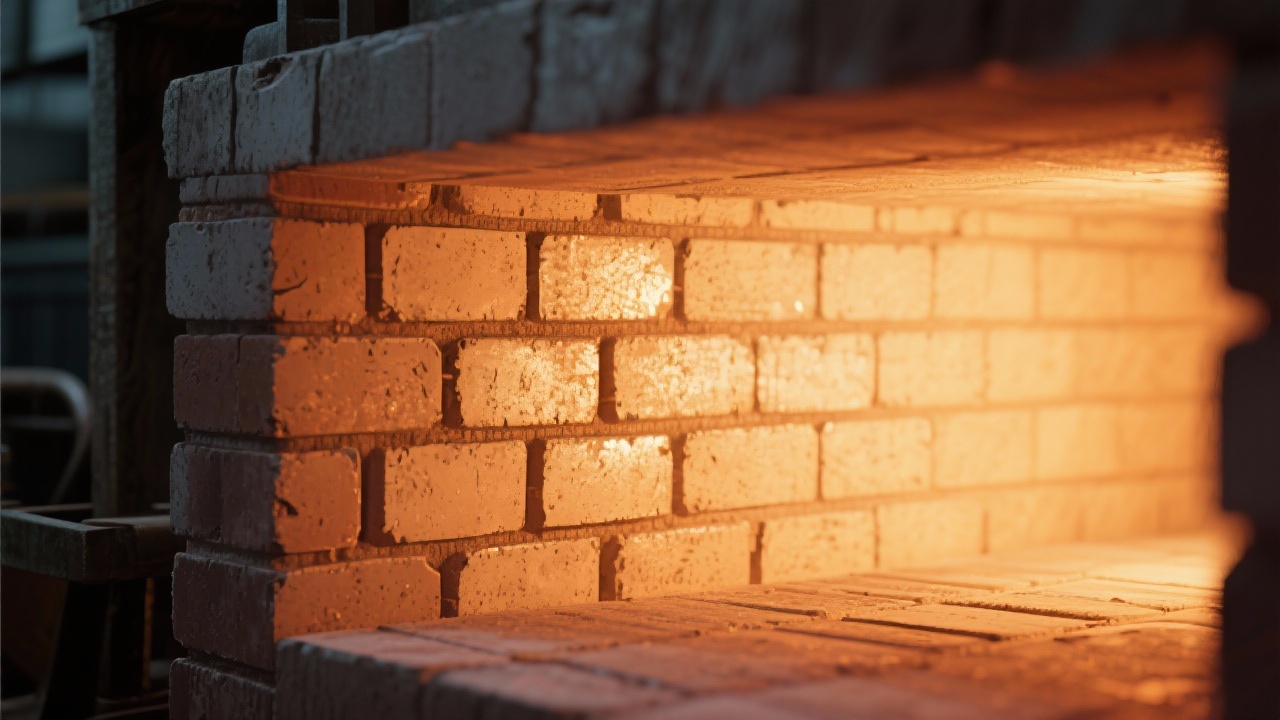
A recent implementation at a European steel mill demonstrates the practical benefits of optimized MgO-C brick design. The mill was experiencing average EAF lining life of 250-300 heats with conventional refractory solutions, leading to frequent maintenance shutdowns.
The results were striking: average lining life increased to 450-500 heats, representing a 60% improvement. This translated to annual savings of approximately €320,000 through reduced maintenance costs and increased production uptime.
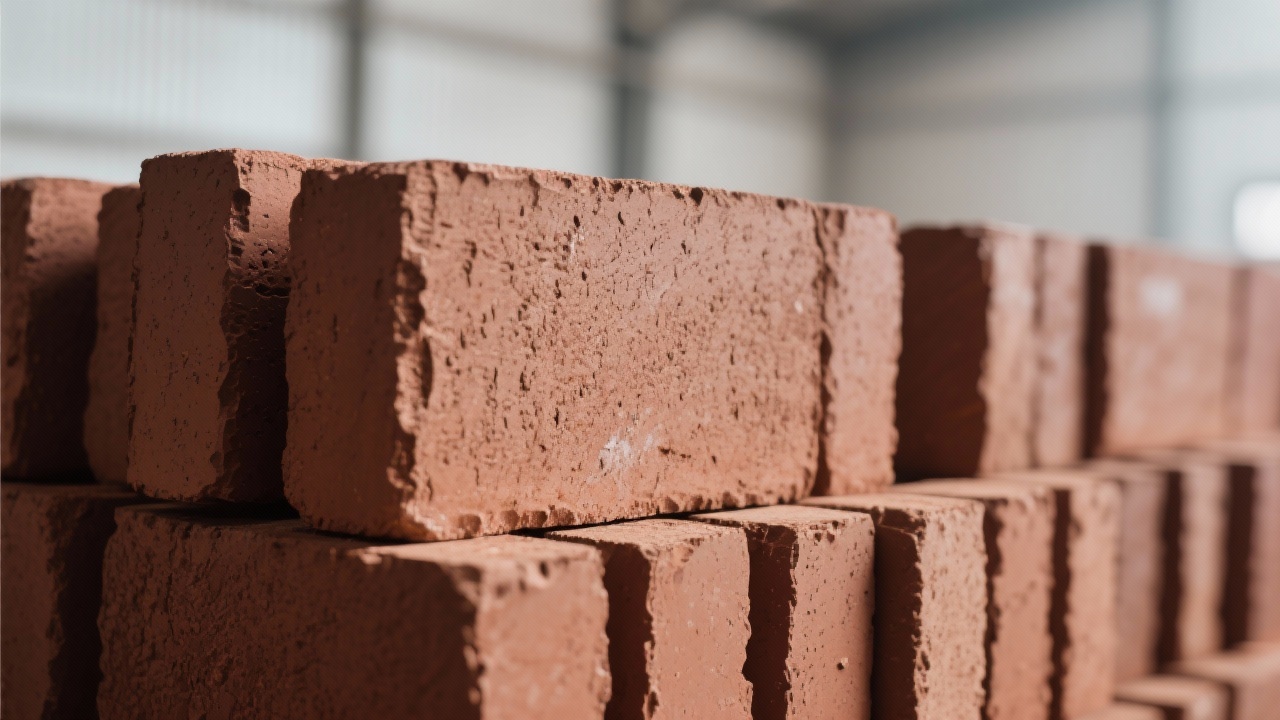
Despite their advantages, improper application of MgO-C bricks can lead to premature failure. One frequent mistake is uniform brick selection throughout the furnace rather than zoning based on specific conditions. For example, high-carbon bricks (16-20%) perform best in areas with severe thermal shock, while lower-carbon variants (8-12%) offer better corrosion resistance in slag-line regions.
Another common issue is inadequate joint design. Studies show that using expansion-compensating mortars with 3-5% compressibility can reduce thermal stress concentrations by up to 40%, significantly extending lining life.
Download our comprehensive Refractory Lining Selection Guide featuring:
For technical environments where every degree and every day of operation counts, the right refractory solution isn't just a component—it's a strategic asset. By leveraging the latest advancements in MgO-C brick technology and implementation best practices, industrial facilities can achieve new levels of reliability and performance in their high-temperature processes.
 483
|
483
|
 fused alumina brick
sintered alumina brick
glass melting furnace refractory
refractory brick selection
high-temperature refractory material
fused alumina brick
sintered alumina brick
glass melting furnace refractory
refractory brick selection
high-temperature refractory material
 121
|
converter lining selection
magnesia chrome brick performance
refractory brick slag resistance
high temperature converter refractories
magnesia chrome brick application
121
|
converter lining selection
magnesia chrome brick performance
refractory brick slag resistance
high temperature converter refractories
magnesia chrome brick application
 265
|
High - alumina refractory clay bricks
Spherical pore structure
Mechanical cutting process
High - temperature industrial furnace lining
Refractory brick dimensional accuracy
265
|
High - alumina refractory clay bricks
Spherical pore structure
Mechanical cutting process
High - temperature industrial furnace lining
Refractory brick dimensional accuracy
 246
|
corundum refractory bricks
sintered refractory materials
fused corundum bricks
high-temperature refractory performance
corrosion-resistant refractory bricks
190
|
corundum refractory brick
high alumina refractory
fused vs sintered refractory
wear resistant refractory
ceramic industry refractory
246
|
corundum refractory bricks
sintered refractory materials
fused corundum bricks
high-temperature refractory performance
corrosion-resistant refractory bricks
190
|
corundum refractory brick
high alumina refractory
fused vs sintered refractory
wear resistant refractory
ceramic industry refractory