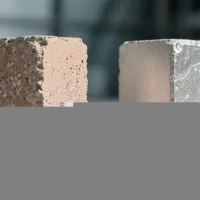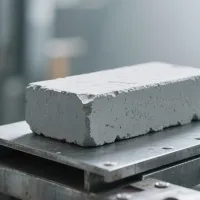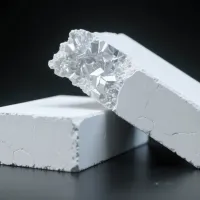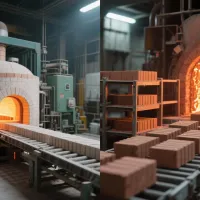
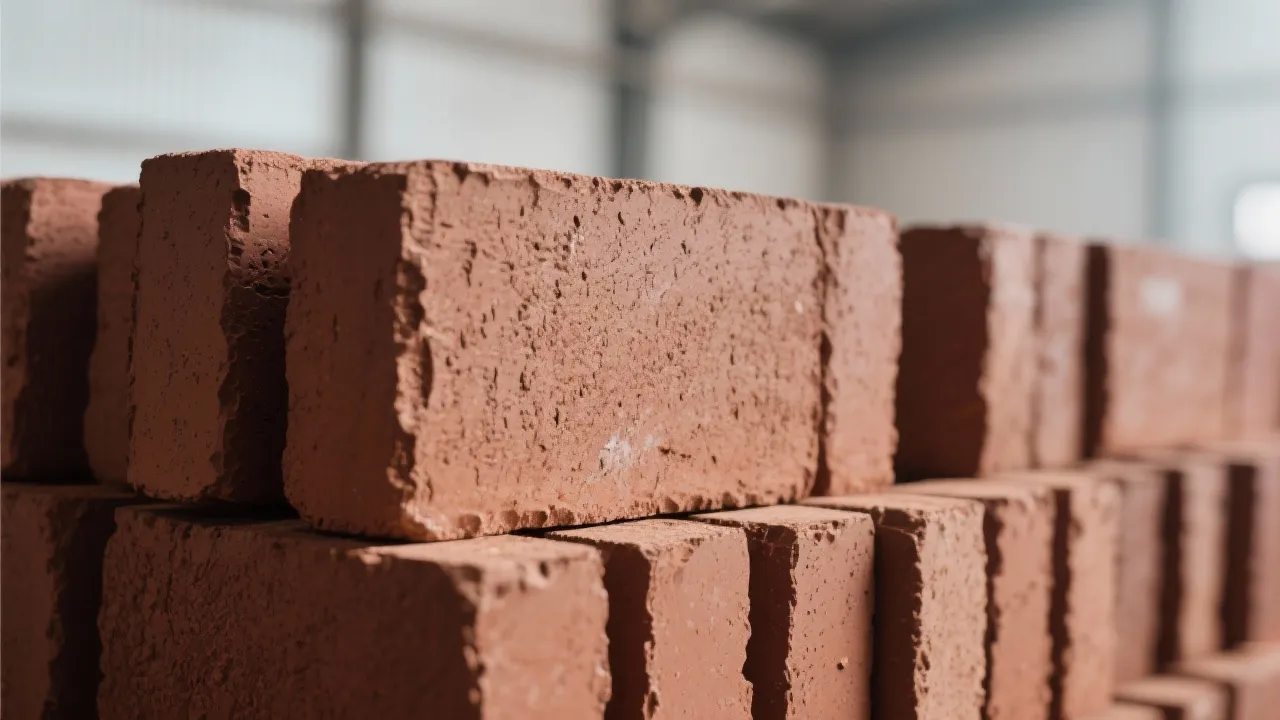
Electric arc furnaces (EAFs) are the backbone of modern steelmaking—but they demand materials that can withstand extreme conditions. High temperatures, chemical erosion, and frequent thermal cycling often lead to premature lining failure, costly downtime, and increased energy consumption. That’s where high-performance sintered magnesia-carbon bricks come in—not just as a product, but as a strategic upgrade.
These advantages aren’t just theoretical—they’re backed by real-world performance. Our latest case study with a European steel plant shows consistent operation for over six months without any signs of wear or hot spots, validating both material quality and engineering design.
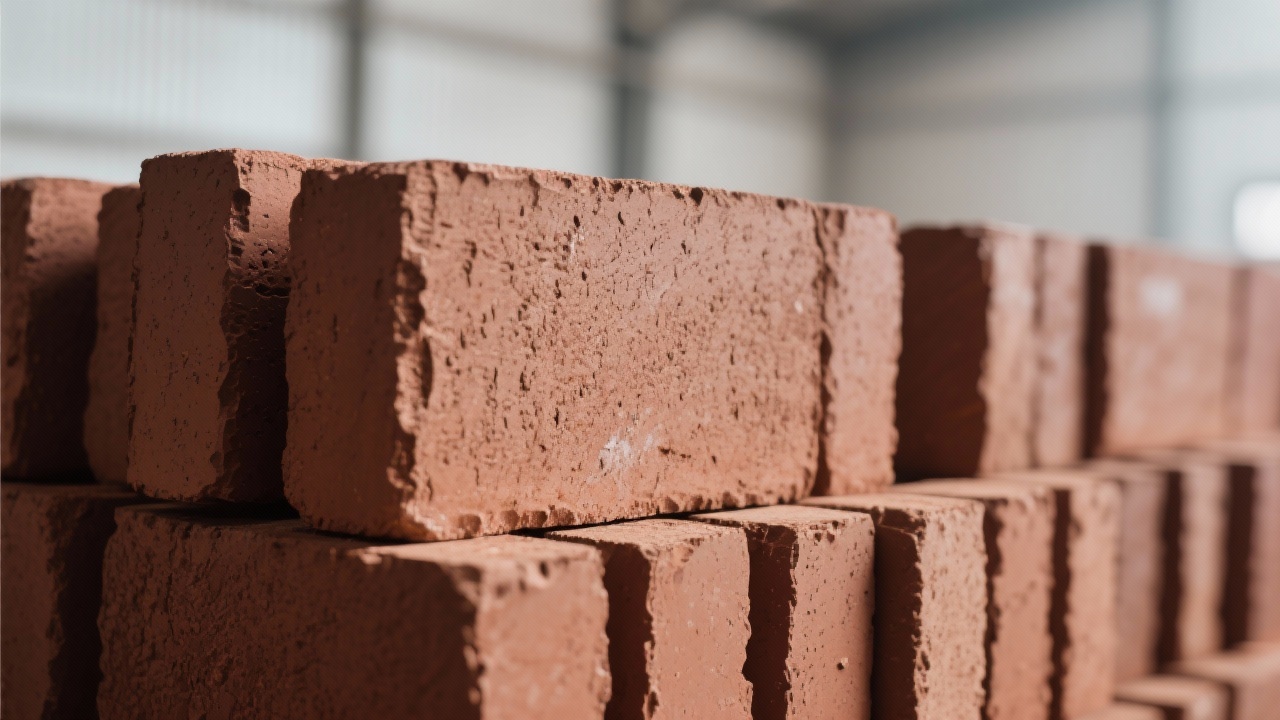
Our raw materials come from verified local magnesite deposits—ensuring purity, consistency, and traceability. Combined with a phenolic resin bonding system and proprietary antioxidant additives like boron nitride, we achieve superior thermal shock resistance. In fact, our bricks have passed EN 1873-1 testing with margins exceeding EU standards by 15%.
“Since switching to your sintered magnesia-carbon bricks, our furnace downtime has dropped by 40%. It’s not just about durability—it’s about peace of mind.”
— Mark Thompson, Maintenance Manager, SteelTech Europe
We don’t just sell products—we provide systems. With a 98% on-time delivery rate and a dedicated technical support team available 24/7, we help you minimize unplanned stops and maximize production uptime. Whether it’s pre-installation consultation or post-use analysis, our engineers are ready to act fast.
Want to know how this brick performs in your specific furnace setup? Ask us anything in the comments below—we reply within 2 hours during business days.
 451
|
451
|
 High alumina refractory clay bricks
Industrial furnace lining
High - temperature refractory materials
Wear - and corrosion - resistant refractory bricks
Furnace lining installation techniques
High alumina refractory clay bricks
Industrial furnace lining
High - temperature refractory materials
Wear - and corrosion - resistant refractory bricks
Furnace lining installation techniques
 398
|
high-alumina fireclay bricks
industrial furnace lining materials
refractory brick selection
thermal shock resistant bricks
furnace installation guide
398
|
high-alumina fireclay bricks
industrial furnace lining materials
refractory brick selection
thermal shock resistant bricks
furnace installation guide
 244
|
corundum refractory bricks
high temperature corrosion resistant materials
alumina refractory bricks
refractory brick manufacturing process
refractory brick applications
372
|
High alumina refractory clay bricks
High-temperature industrial furnace refractory bricks
Refractory brick installation technology
Furnace lining refractory materials
Refractory brick performance analysis
492
|
Corundum refractory bricks
High-temperature refractory materials
Acid and alkali corrosion resistance
Refractory brick selection guide
Corundum brick applications
244
|
corundum refractory bricks
high temperature corrosion resistant materials
alumina refractory bricks
refractory brick manufacturing process
refractory brick applications
372
|
High alumina refractory clay bricks
High-temperature industrial furnace refractory bricks
Refractory brick installation technology
Furnace lining refractory materials
Refractory brick performance analysis
492
|
Corundum refractory bricks
High-temperature refractory materials
Acid and alkali corrosion resistance
Refractory brick selection guide
Corundum brick applications