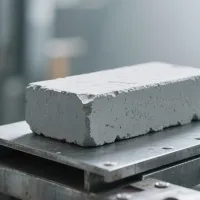
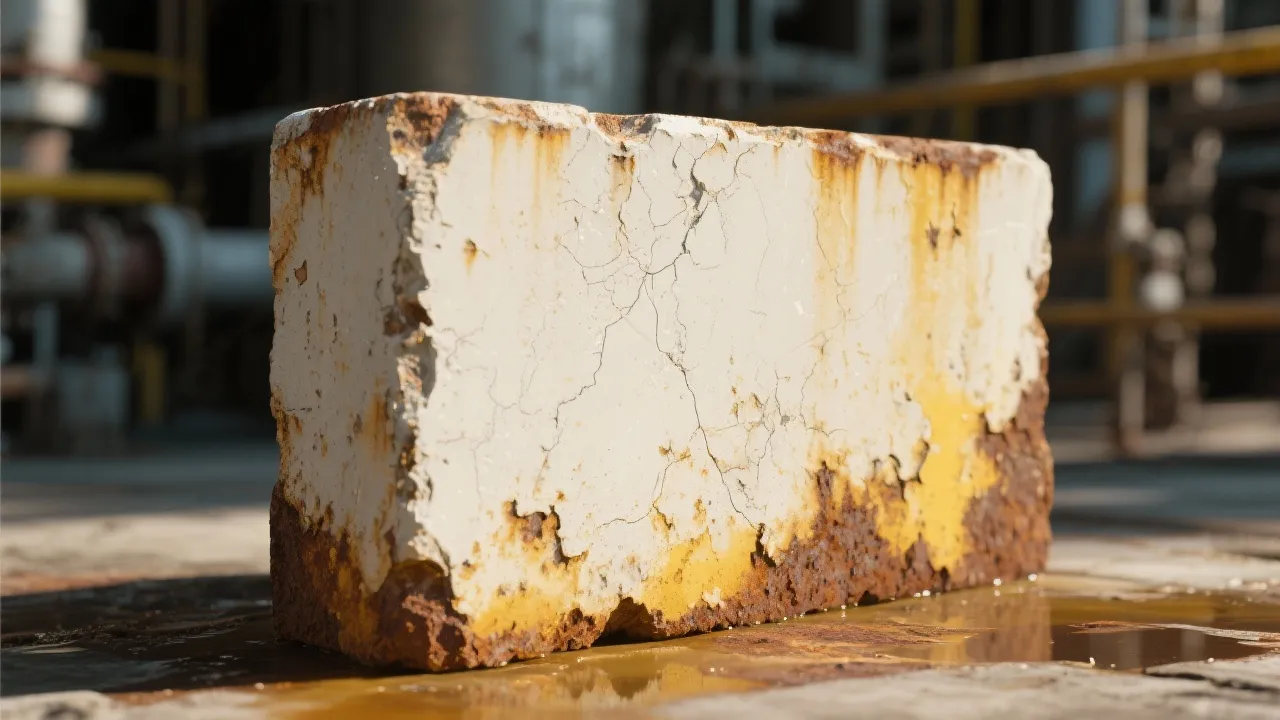
As a glass plant engineer or procurement manager, you know that the right refractory choice can mean the difference between smooth operations and costly downtime. If your furnace is experiencing accelerated lining wear, frequent repairs, or unexpected shutdowns—your current alumina brick may not be optimized for your specific thermal and chemical conditions.
Both burned and fused alumina bricks share high purity (>90% Al₂O₃), but their manufacturing paths create very different microstructures:
Real-world performance? In one lab test by a European refractory institute, fused bricks showed 35% higher resistance to acid slag erosion over 200 hours at 1550°C—while burned bricks performed well under stable, moderate loads.
“After switching to fused alumina bricks in our float glass line, we reduced unplanned maintenance from 4 times/year to just once.”
— Plant Manager, China Glass Co.
Your decision shouldn’t be based on price alone—it should align with your furnace’s operating profile:
| Application Scenario | Recommended Brick Type | Expected Benefit |
|---|---|---|
| Stable temperature zone (<1600°C) | Burned Alumina | Cost-effective, good thermal shock resistance |
| High-temperature zone (>1650°C) or acidic slag exposure | Fused Alumina | Up to 40% longer life, minimal erosion |
| Frequent start-up/shutdown cycles | Burned Alumina | Better thermal fatigue performance |
If your furnace runs continuously at peak temperatures with aggressive slags—choose fused. If it's a mixed-use system where cost-efficiency matters more than extreme durability—burned might be your best bet.
Remember: choosing the wrong brick isn't just an expense—it’s a hidden productivity killer. One client saved over $250K annually after switching to fused alumina in their regenerator zones. That’s not just savings—it’s operational freedom.
What kind of furnace do you operate?
Temperature range? Slag type? Cycle frequency?
 378
|
378
|
 Corundum refractory bricks
High alumina refractory materials
Metallurgy industry refractory bricks
Glass industry refractory bricks
Refractory brick selection
Corundum refractory bricks
High alumina refractory materials
Metallurgy industry refractory bricks
Glass industry refractory bricks
Refractory brick selection
 179
|
Corundum refractory bricks
Sintered corundum bricks
Fused corundum bricks
High - temperature refractory materials
Refractory brick selection
77
|
corundum refractory brick
high alumina brick comparison
refractory material performance
metallurgical furnace lining
alumina content above 90%
244
|
corundum refractory bricks
high temperature corrosion resistant materials
alumina refractory bricks
refractory brick manufacturing process
refractory brick applications
188
|
corundum refractory brick
high alumina refractory
fused vs sintered refractory
wear resistant refractory
ceramic industry refractory
179
|
Corundum refractory bricks
Sintered corundum bricks
Fused corundum bricks
High - temperature refractory materials
Refractory brick selection
77
|
corundum refractory brick
high alumina brick comparison
refractory material performance
metallurgical furnace lining
alumina content above 90%
244
|
corundum refractory bricks
high temperature corrosion resistant materials
alumina refractory bricks
refractory brick manufacturing process
refractory brick applications
188
|
corundum refractory brick
high alumina refractory
fused vs sintered refractory
wear resistant refractory
ceramic industry refractory