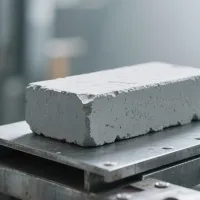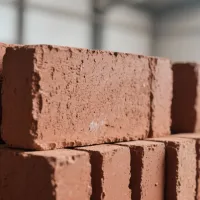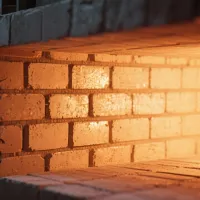

In magnesia carbon brick installation for steelmaking furnaces, localized spalling and bulging remain persistent challenges impacting furnace lifespan and operational efficiency. These defects primarily result from incomplete substrate cleaning, improper joint gap control, and non-optimized baking and heating curves during the erection process. Understanding the root causes and implementing best practices can extend furnace lining life by more than 30%, yielding significant operational savings and enhanced safety.
The installation process involves critical stages from groundwork preparation to post-installation maintenance:
Localized spalling, characterized by surface flaking and partial delamination, often occurs due to insufficient bonding or moisture entrapment, while bulging typically stems from excessive internal pressure or uneven expansion. The table below contrasts typical errors versus the recommended corrective actions:
| Common Installation Errors | Recommended Practices |
|---|---|
| Incomplete clearance of old refractory residues on the substrate | Meticulous cleaning using wire brushes and compressed air to remove debris and moisture |
| Brick joint thickness greater than 3mm causing weak mortar fill | Strict control of brick gaps to ≤ 3mm for uniform mortar distribution and stability |
| Random or sparse anchoring leading to brick displacement during thermal cycles | Systematic anchoring layout with appropriate fasteners to ensure mechanical integrity |
| Uncontrolled or rapid baking causing thermal shock and formation of internal pressure pockets | Adoption of a segmented baking curve with gradual temperature rise tailored to brick thermal characteristics |
In addition, operational parameters such as steel tapping temperature and maintaining stable furnace inner pressure influence the integrity of the magnesia carbon lining. Ensuring stable pressure prevents deformation-induced bulging, while controlled tapping temperature avoids rapid thermal fluctuations.
A major steel plant implemented a comprehensive refurbishment protocol incorporating stringent base cleaning, controlled brick gaps, precise anchoring, and a tailored baking schedule. Over a 12-month monitoring period, the furnace lining demonstrated 30% longer service life with significantly reduced localized spalling incidents, ultimately lowering maintenance downtime and costs.
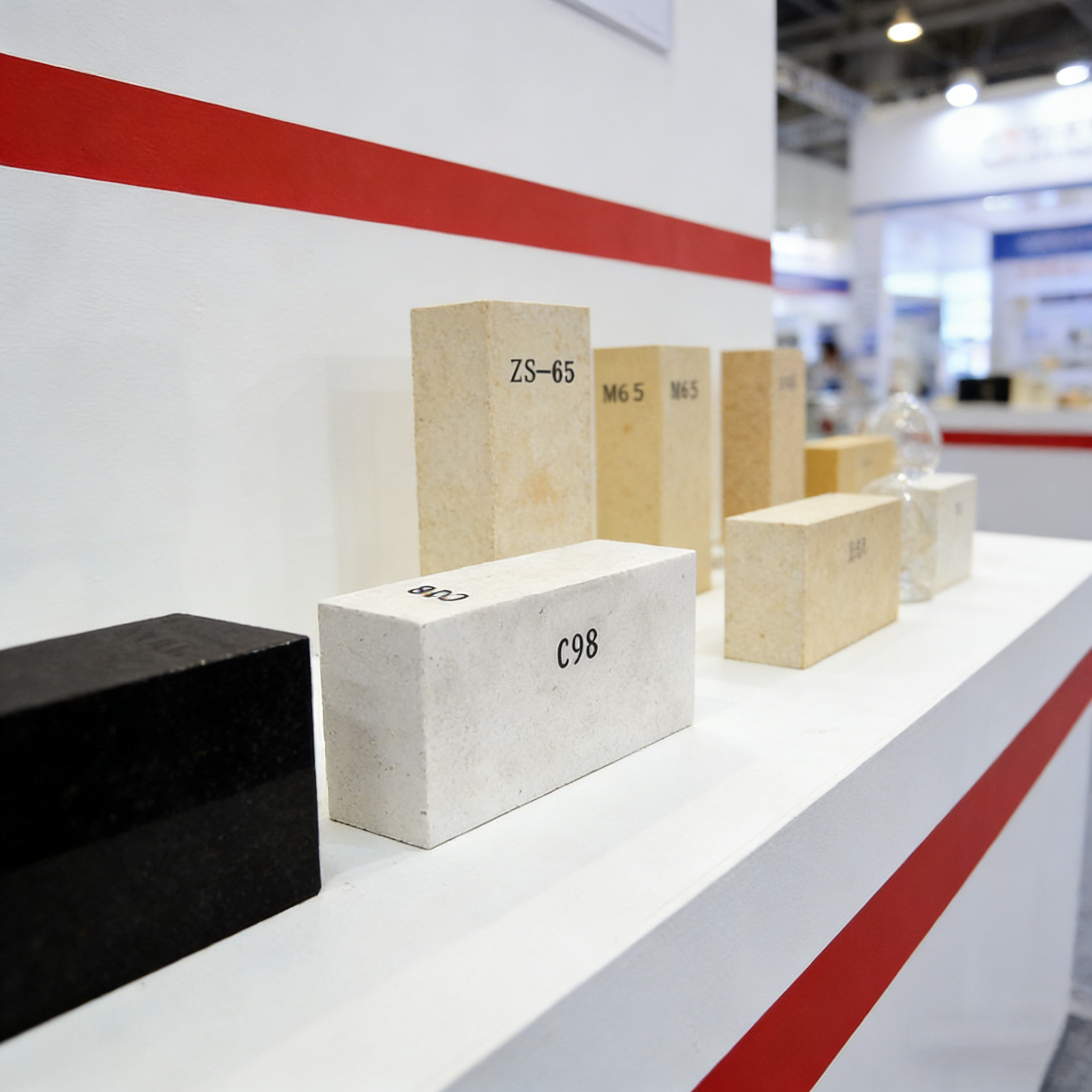
Post-installation, maintaining lining health requires:
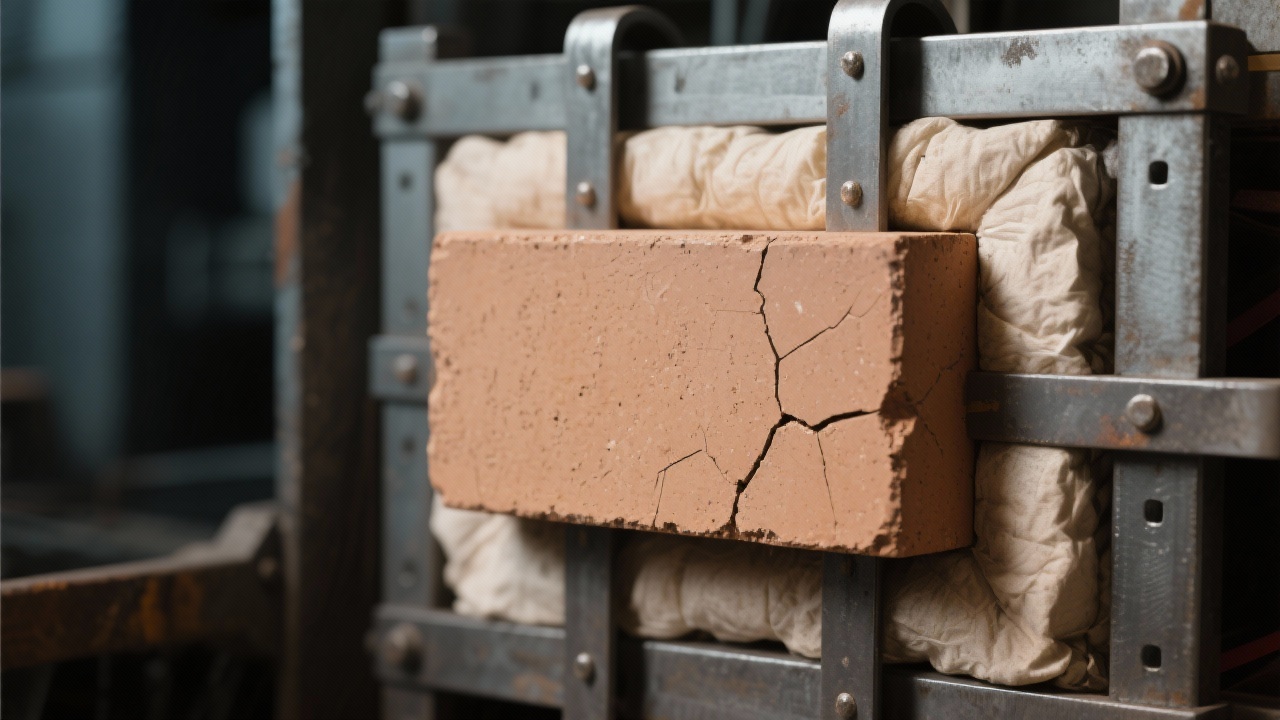
The stability of magnesia carbon bricks is a function of both mechanical installation precision and controlled furnace operation. Deviations in key parameters like grout preparation, joint thickness, or pressure management exponentially increase defect rates.
Integrating these practices creates a virtuous cycle that optimizes refractory lifespan and furnace productivity.
 426
|
426
|
 Sintered magnesia-carbon bricks
High-temperature industrial furnace refractory lining
Strong alkali environment corrosion
Furnace lining design
High-temperature refractory materials
Sintered magnesia-carbon bricks
High-temperature industrial furnace refractory lining
Strong alkali environment corrosion
Furnace lining design
High-temperature refractory materials
 192
|
electric arc furnace refractories
sintered magnesia carbon brick performance
high refractory strength
alkali slag resistance technology
refractory delivery service
192
|
electric arc furnace refractories
sintered magnesia carbon brick performance
high refractory strength
alkali slag resistance technology
refractory delivery service
 248
|
industrial furnace refractory brick selection
low porosity refractory bricks
1580–1770°C refractory lining
high alumina refractory bricks
thermal shock and corrosion resistant refractories
248
|
industrial furnace refractory brick selection
low porosity refractory bricks
1580–1770°C refractory lining
high alumina refractory bricks
thermal shock and corrosion resistant refractories
 88
|
blast furnace refractory brick maintenance
refractory brick damage types
refractory brick inspection
extending refractory brick lifespan
three checks and two controls
88
|
blast furnace refractory brick maintenance
refractory brick damage types
refractory brick inspection
extending refractory brick lifespan
three checks and two controls
 174
|
refractory brick thermal shock test
water quench thermal shock method
air cooling thermal shock method
ASTM C1259 thermal shock
ISO 18897 refractory testing
174
|
refractory brick thermal shock test
water quench thermal shock method
air cooling thermal shock method
ASTM C1259 thermal shock
ISO 18897 refractory testing