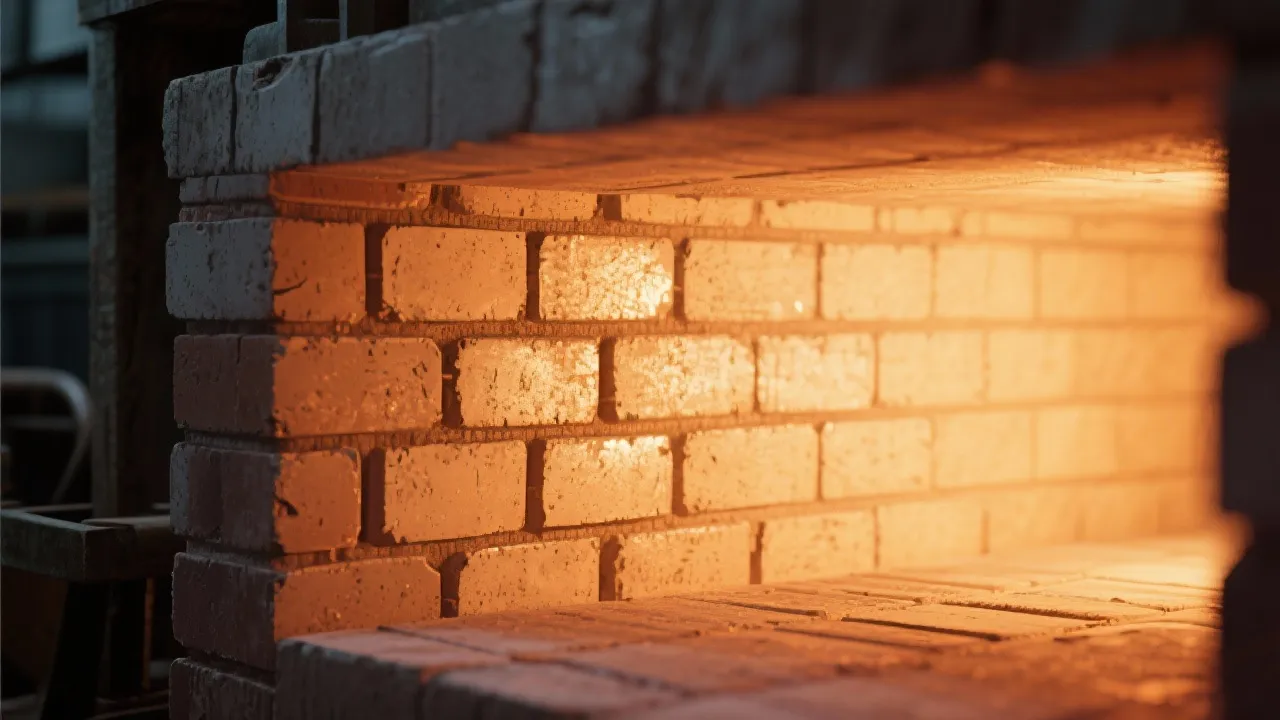
As an engineer or procurement decision-maker in the metallurgical industry, you may often face the headache of frequent breakdowns of metallurgical kilns. The root cause usually lies in the insufficient performance of refractory materials. Let's explore why corundum refractory bricks can be the "steel armor" under high-temperature working conditions.
Metallurgical kilns are constantly exposed to harsh environments, suffering from high-temperature erosion, mechanical wear, and even structural collapse. These problems not only lead to frequent shutdowns of the kilns but also significantly increase maintenance costs. For example, high - temperature erosion can gradually corrode the refractory lining, reducing its insulation and strength. Mechanical wear, such as the friction caused by the movement of materials inside the kiln, can also accelerate the damage process.
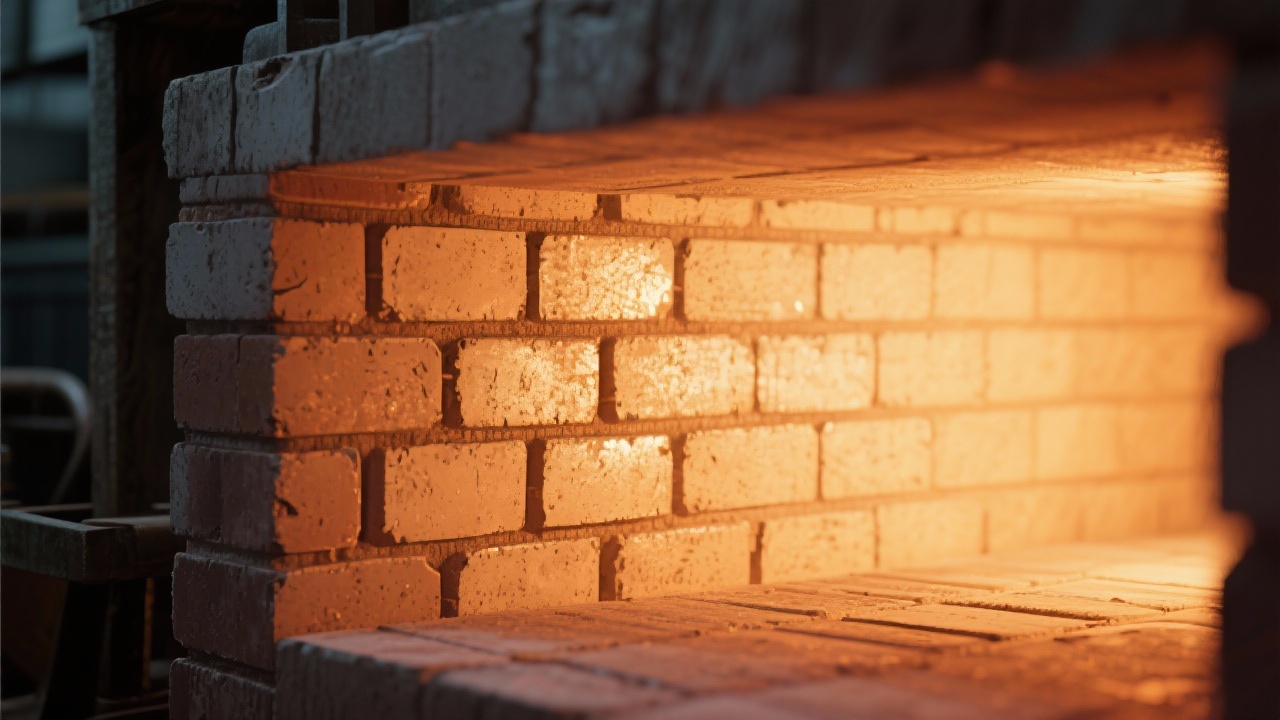
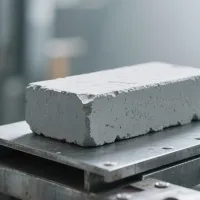
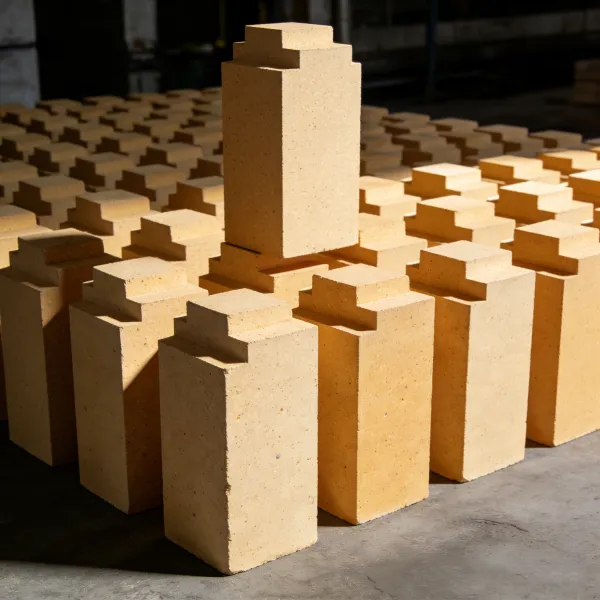
Corundum bricks have outstanding advantages. Firstly, they have a high Al₂O₃ content of over 90%. This high alumina content endows them with excellent chemical stability, making them highly resistant to various chemical substances in the kiln environment. Secondly, their crystal phase is very stable, which ensures that they can maintain their structure and performance under high - temperature conditions. In addition, corundum bricks have strong cold - press strength, which means they can withstand heavy loads. Their anti - wear ability is also significantly better than that of ordinary refractory bricks. They can resist the friction of materials in the kiln for a long time, greatly reducing the wear rate.
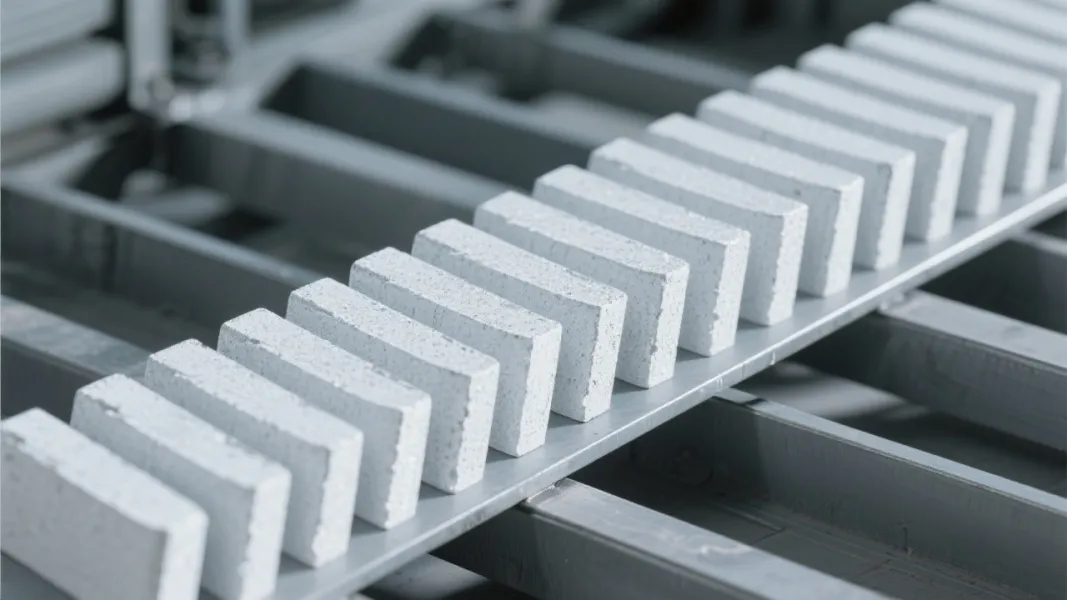
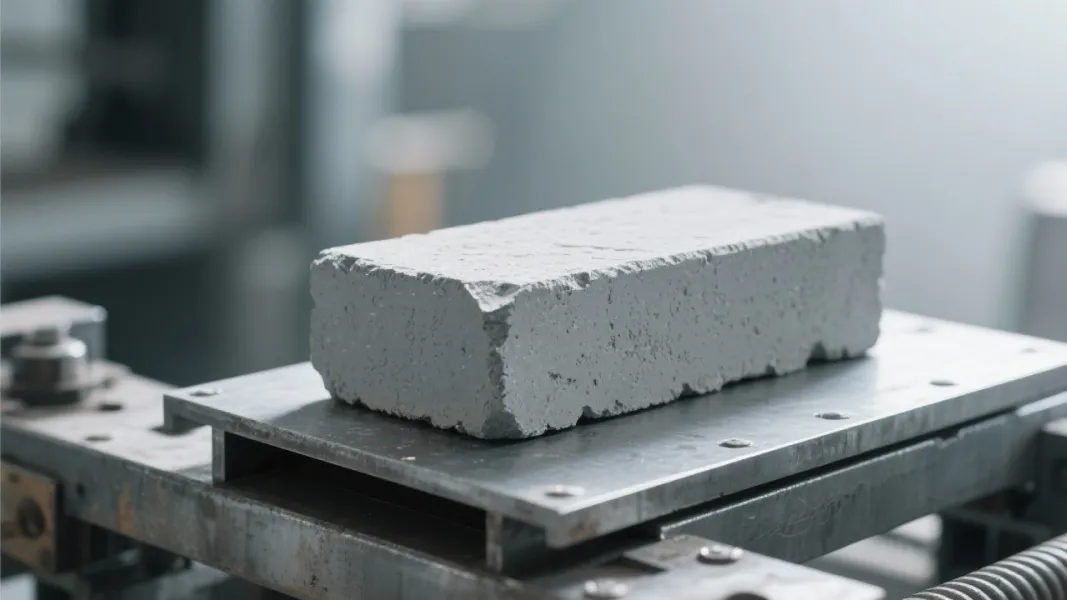
The manufacturing processes of corundum bricks mainly include sintering and melting. The sintering process involves pressing the raw materials into bricks and then sintering them at high temperatures. The corundum bricks produced by this process usually have a relatively dense microstructure, which is suitable for general high - temperature environments. The melting process, on the other hand, melts the raw materials and then casts them into bricks. The bricks made by this process have a more regular crystal structure and better high - temperature performance, which are more suitable for extremely high - temperature and complex chemical environments.
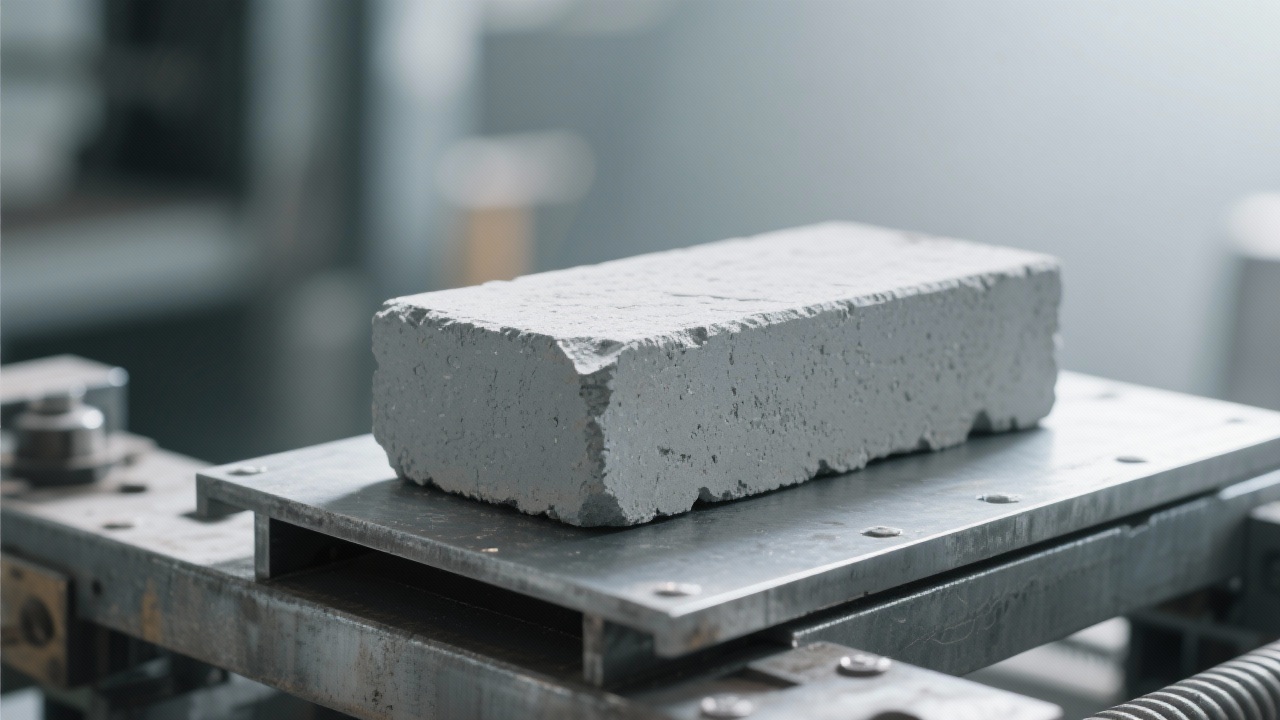
In the metallurgical process, the kiln may be exposed to acid or alkaline slag. Corundum bricks have excellent resistance to slag erosion. For example, in some actual projects, corundum bricks can effectively resist the erosion of alkaline slag at a temperature of 1700°C or above. According to practical data, using corundum bricks can reduce the slag erosion rate by more than 50% compared with ordinary refractory bricks.
Choosing corundum bricks can bring significant economic benefits. They can reduce the frequency of replacement, which means less downtime for the kiln. This can improve the continuous operation efficiency of the kiln, and at the same time, reduce maintenance costs. It is estimated that choosing corundum bricks can reduce the downtime loss of the kiln by more than 30% and extend the service life of the kiln by more than 50%.
When selecting corundum bricks, you need to consider the type of kiln, the temperature range, and the nature of the slag. For example, if the kiln temperature is relatively stable and the slag is less corrosive, sintered corundum bricks may be a good choice. However, if the kiln is in a high - temperature and high - corrosion environment, melted corundum bricks are more suitable.
Don't let the frequent breakdown of metallurgical kilns affect your production efficiency and increase costs anymore. Choose our high - quality corundum bricks and let your kiln run more efficiently and stably!
 295
|
295
|
 high-alumina refractory bricks
glass furnace refractories
refractory brick wear resistance testing
corrosion resistant refractory bricks
industrial furnace lining solutions
high-alumina refractory bricks
glass furnace refractories
refractory brick wear resistance testing
corrosion resistant refractory bricks
industrial furnace lining solutions
 119
|
converter lining selection
magnesia chrome brick performance
refractory brick slag resistance
high temperature converter refractories
magnesia chrome brick application
119
|
converter lining selection
magnesia chrome brick performance
refractory brick slag resistance
high temperature converter refractories
magnesia chrome brick application
 378
|
Corundum refractory bricks
High alumina refractory materials
Metallurgy industry refractory bricks
Glass industry refractory bricks
Refractory brick selection
378
|
Corundum refractory bricks
High alumina refractory materials
Metallurgy industry refractory bricks
Glass industry refractory bricks
Refractory brick selection
 133
|
Corundum refractory bricks
High - temperature corrosion protection
Refractory material applications
Sintered corundum bricks
Fused corundum bricks
133
|
Corundum refractory bricks
High - temperature corrosion protection
Refractory material applications
Sintered corundum bricks
Fused corundum bricks
 492
|
Corundum refractory bricks
High-temperature refractory materials
Acid and alkali corrosion resistance
Refractory brick selection guide
Corundum brick applications
492
|
Corundum refractory bricks
High-temperature refractory materials
Acid and alkali corrosion resistance
Refractory brick selection guide
Corundum brick applications